
Berita
Polres Kediri Kota Berbagi Sembako di Jumat Berkah, Wargapun Sumringah


KOTA KEDIRI – Dalam semangat kepedulian kepada masyarakat, Unit Kamsel Polres Kediri Kota Polda Jatim menggelar kegiatan Jumat Berkah.
Kali ini dengan membagikan sembako kepada warga di dua lokasi strategis, yaitu Simpang Empat Lonceng (dekat Bank Indonesia) dan Pasar Setonobetek Kota Kediri.
Kegiatan yang berlangsung mulai pukul 06.30 hingga 07.30 WIB ini dipimpin langsung oleh Kanit Kamsel Ipda R Rido bersama anggota.
Selain memberikan bantuan berupa sembako, tim Unit Kamsel juga menyisipkan pesan penting mengenai tertib berlalu lintas kepada masyarakat yang hadir.
Kanit Kamsel Ipda R Rido menjelaskan bahwa kegiatan ini bertujuan untuk mendekatkan kepolisian kepada masyarakat, terutama mereka yang membutuhkan.
“Melalui kegiatan ini, kami ingin berbagi berkah dan memperkuat hubungan antara Polri dan masyarakat,” ujarnya, Jumat (17/1/25).
Masyarakat penerima sembako, terutama para abang becak di Pasar Setonobetek nampak sumringah.
Para pengayuh becak ini tak hentinya mengucapkan terimakasih kepada petugas yang berbagi sembako.
“Kami sangat berterima kasih atas perhatian dari Polres Kediri Kota, ini tidak hanya membantu kami secara langsung, namun mengingatkan kami untuk mengutamakan keselamatan di jalan,” ungkap Sukir (52) salah satu abang becak.
Sementara itu, Kasat Lantas Polres Kediri Kota AKP Afandy Dwi Takdir menegaskan bahwa kegiatan Jumat Berkah ini merupakan salah satu bentuk nyata kepedulian Polres Kediri Kota terhadap masyarakat.
“Kami ingin menunjukkan bahwa Polri bukan hanya penegak hukum, tetapi juga mitra masyarakat dalam menciptakan keamanan, ketertiban, dan kenyamanan bersama,” ujarnya. (*)

Polsek
Polres Pasuruan Kota Dukung Ketahanan Pangan, Bhabinkamtibmas Dampingi Petani Jagung di Desa Jatirejo

Polresta Pasuruan – Komitmen Polres Pasuruan Kota Polda Jawa Timur dalam mendukung program ketahanan pangan terus diwujudkan melalui kegiatan nyata di lapangan. Jumat (4/9/2026), Bhabinkamtibmas Desa Jatirejo, Kecamatan Lekok, Kabupaten Pasuruan, melaksanakan pengecekan dan pendampingan di lahan jagung yang berada di wilayah Desa Jatirejo.
Kegiatan tersebut merupakan bentuk dukungan Polri terhadap program pemerintah dalam memperkuat ketahanan pangan sekaligus mendorong terwujudnya swasembada pangan. Bhabinkamtibmas memantau perkembangan tanaman jagung serta berkomunikasi dengan petani terkait kondisi lahan dan perawatan tanaman.
Kehadiran Bhabinkamtibmas di tengah para petani juga menjadi bentuk motivasi agar masyarakat terus mengoptimalkan lahan pertanian yang tersedia. Pendampingan ini sekaligus memperkuat sinergi antara Polri dan masyarakat dalam meningkatkan produktivitas pertanian serta mendukung kesejahteraan petani.
Kapolsek Lekok AKP H. Mawan Budi P. mengatakan, pihaknya akan terus mendorong Bhabinkamtibmas untuk aktif melakukan pendampingan kepada masyarakat, khususnya para petani.
“Kami akan terus memberikan dukungan dan pendampingan agar lahan pertanian dapat dikelola secara optimal. Kami berharap produktivitas pertanian terus meningkat dan program ketahanan pangan dapat berjalan dengan baik,” ujar AKP H. Mawan Budi P.
Melalui kegiatan tersebut, Polres Pasuruan Kota berharap sinergi antara Polri dan masyarakat semakin kuat dalam mendukung program ketahanan pangan. Pendampingan di lahan jagung diharapkan memberikan manfaat nyata bagi para petani sekaligus berkontribusi dalam mewujudkan ketahanan dan swasembada pangan nasional.
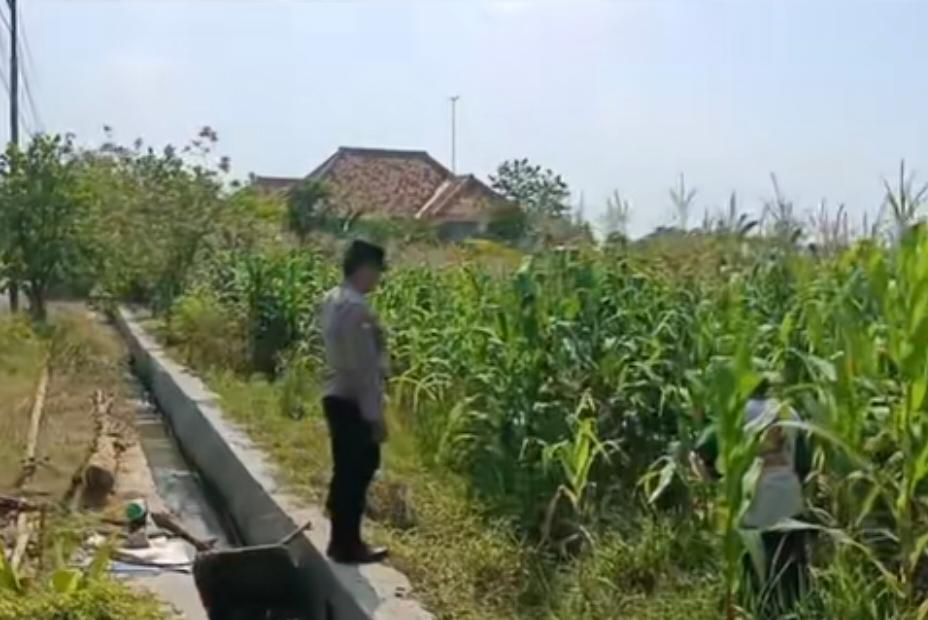
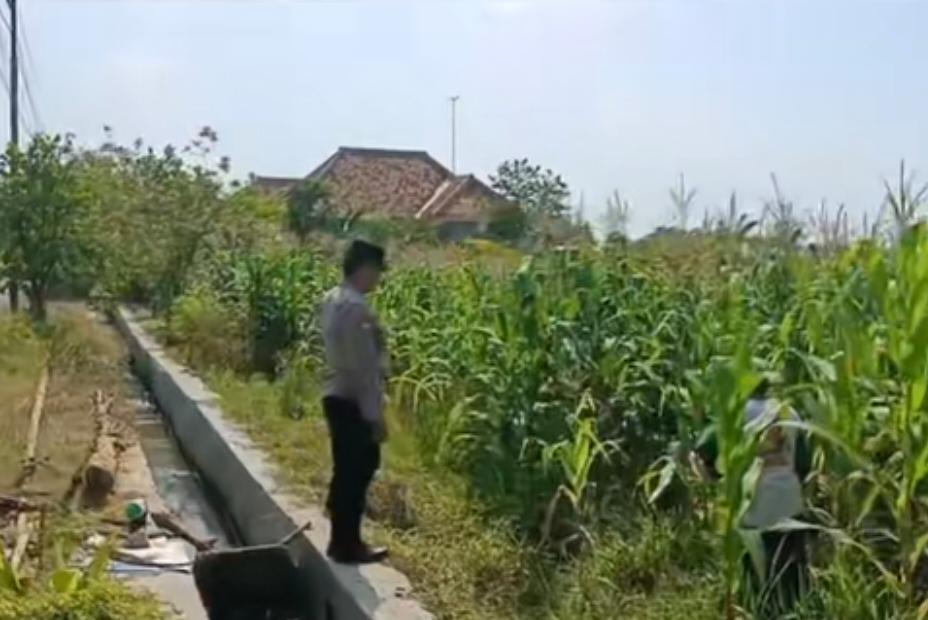
Polresta Pasuruan – Dalam rangka mendukung program ketahanan pangan, Bhabinkamtibmas Desa Klampisrejo, Kecamatan Kraton, Polsek Kraton Polres Pasuruan Kota Polda Jatim melaksanakan kegiatan sambang dan silaturahmi bersama para petani jagung di wilayah desa binaannya. Kamis (3/9/2026).
Kegiatan tersebut merupakan bentuk kepedulian Polri terhadap sektor pertanian sekaligus sebagai upaya mempererat hubungan dan komunikasi antara Bhabinkamtibmas dengan masyarakat, khususnya para petani.
Dalam kesempatan tersebut, Bhabinkamtibmas berdialog dengan para petani untuk mengetahui kondisi pertanian serta berbagai kendala yang dihadapi dalam mengelola lahan.
Selain itu, para petani juga diberikan motivasi agar tetap semangat dalam meningkatkan produktivitas pertanian.
Kapolsek Kraton AKP Moch. Soleh mengatakan bahwa peran aktif Bhabinkamtibmas di tengah masyarakat merupakan bagian dari dukungan Polri terhadap program ketahanan pangan.
“Kami terus mendorong Bhabinkamtibmas untuk aktif melakukan sambang dan menjalin komunikasi dengan masyarakat, termasuk para petani. Kehadiran Polri diharapkan dapat memberikan semangat serta memperkuat sinergi dalam mendukung terwujudnya ketahanan pangan,” ujar AKP Moch. Soleh.
Melalui kegiatan sambang dan silaturahmi tersebut, diharapkan terjalin kerja sama yang semakin baik antara Polri dan masyarakat dalam mendukung sektor pertanian serta mewujudkan ketahanan pangan yang kuat dan berkelanjutan.
#astacita
#polrespasuruankota
#birosdmpoldajatim
#ketahananpanganpoldajatim
#polripresisi
#swasembadapangan
#swassembadajagung
#polisicintapetani
#astacitapresiden
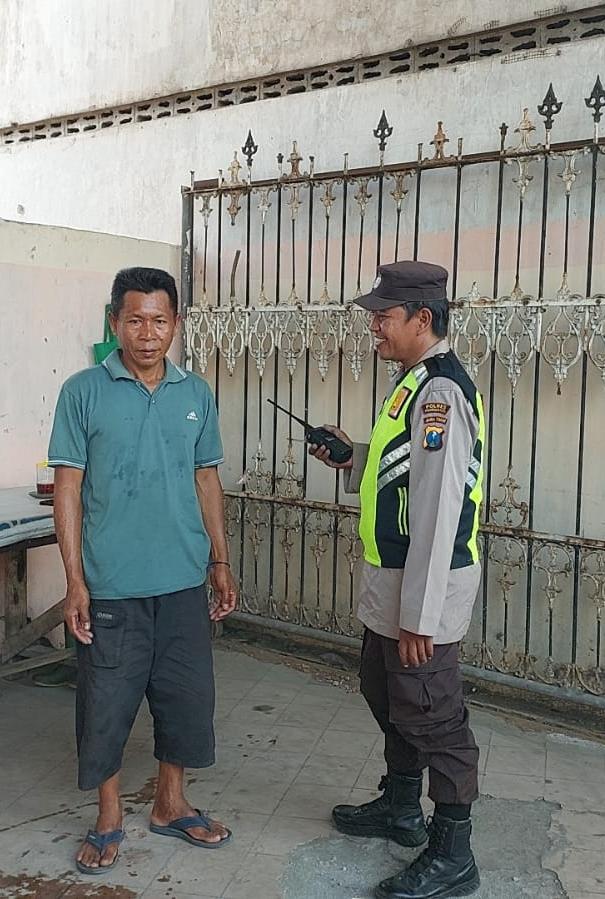
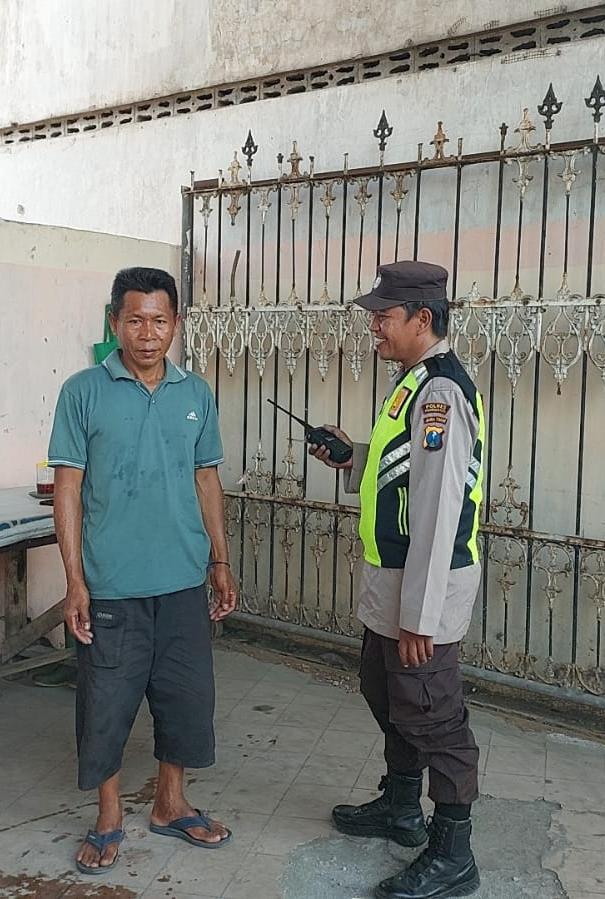
Polresta Pasuruan – Dalam upaya menjaga situasi keamanan dan ketertiban masyarakat tetap aman dan kondusif, Polsek Rejoso Polres Pasuruan Kota Polda Jatim terus meningkatkan kegiatan patroli kamtibmas di lingkungan masyarakat. Kamis (3/9/2026).
Kegiatan patroli tersebut dilakukan sebagai langkah preventif untuk mencegah terjadinya aksi kriminalitas, khususnya kejahatan 3C, yaitu Curat, Curas, dan Curanmor, serta gangguan kamtibmas lainnya.
Selain melakukan pemantauan situasi, personel Polsek Rejoso juga menyampaikan imbauan kepada masyarakat agar selalu meningkatkan kewaspadaan dan berhati-hati dalam menjalankan aktivitas sehari-hari.
Warga juga diingatkan untuk bersama-sama menjaga keamanan lingkungan serta memperhatikan kondisi di sekitar tempat tinggal.
Kapolsek Rejoso AKP Bambang Pamungkas, S.A.P., mengatakan bahwa kegiatan patroli akan terus ditingkatkan sebagai bentuk kehadiran Polri dalam memberikan rasa aman kepada masyarakat.
“Patroli kamtibmas terus kami laksanakan untuk mencegah terjadinya aksi kriminalitas, khususnya kejahatan 3C. Kami juga mengajak masyarakat agar tetap waspada, berhati-hati, serta ikut menjaga keamanan lingkungan masing-masing,” ujar AKP Bambang Pamungkas, S.A.P.
Dengan adanya kegiatan patroli rutin dan dukungan dari masyarakat, diharapkan situasi kamtibmas di wilayah Kecamatan Rejoso tetap aman, nyaman, dan kondusif.
-
 Polres3 hari ago
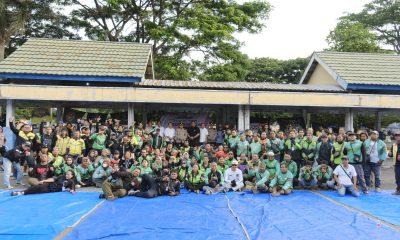
Hadir di Doa Bersama GARDA, Kapolres Kediri Ajak Ojol Perkuat Persatuan Bangsa
-
Polsek3 hari ago
Polsek Kraton Sosialisasikan Call Center 110, Wujudkan Pelayanan Polri yang Cepat dan Responsif
-
Polsek3 hari ago
Patroli Presisi Polsek Pohjentrek, Wujudkan Kamtibmas Kondusif di Siang Hari
-
Polsek3 hari ago
Jaga Produktivitas Pertanian, Bhabinkamtibmas Tambaklekok Turun Langsung ke Sawah
-
Polsek3 hari ago
Polsek Nguling Hadir di Tengah Masyarakat, Jaga Kamtibmas Tetap Aman dan Kondusif
-
 Polres3 hari ago
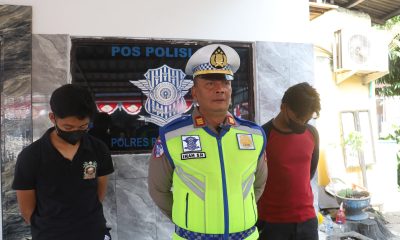
Polres Pelabuhan Tanjung Perak Beri Sangsi Tilang Pengemudi Truk Ugal-ugalan yang Viral di TikTok
-
 Polda3 hari ago
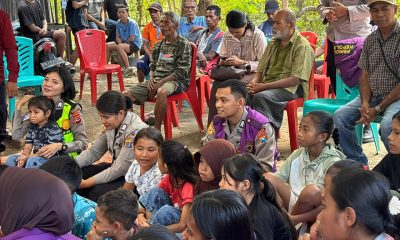
Tim Trauma Healing Polda Jatim Bantu Pulihkan Warga Terdampak Gempa NTT
-
Polsek3 hari ago
Patroli Dialogis Polsek Nguling Ajak Masyarakat Bersama Jaga Harkamtibmas