
Berita
Tinjau Stasiun Tugu DIY, Kapolri Pastikan Puncak Arus Mudik Berjalan Aman



DIY – Kapolri Jenderal Listyo Sigit Prabowo melakukan peninjauan arus mudik Lebaran di Stasiun Tugu, Daerah Istimewa Yogyakarta (DIY). Ia memastikan pengamanan dan pelayanan Operasi Ketupat berjalan dengan baik dan maksimal untuk masyarakat.
“Hari ini kami mendapatkan kesempatan untuk meninjau langsung di Stasiun Tugu Yogyakarta. Dan tadi kami meninjau beberapa titik yang merupakan pusat pelayanan ataupun sentra pelayanan dalam rangka pelaksanaan Operasi Ketupat 2026, khususnya untuk pelayanan di Stasiun Tugu Yogyakarta,” kata Sigit, Rabu (18/3/2026), malam.
Dalam kesempatan ini, Sigit mendapatkan laporan bahwa, pada hari ini merupakan puncak arus mudik yang berlangsung di Stasiun Tugu. Ia menyebut, jumlah penumpang meningkat mencapai angka 55.000.
“Dari laporan tadi, kita mendapatkan informasi bahwa puncak mudik untuk kedatangan ya, kereta, ini ada kurang lebih 54.000 yang datang, dan ini naik menjadi 55.000. Artinya ada kenaikan persentase,” ujar Sigit.
Sementara, Sigit menerima laporan puncak arus balik di Stasiun Tugu terhadi pada 28 dan 29 Maret 2026. Menurut Sigit, kereta api masih menjadi salah satu transportasi favorit masyarakat untuk melakukan perjalanan mudik dan balik Lebaran.
Menurutnya, masyarakat memilih kereta api untuk mudik lantaran lebih merasa aman dan nyaman serta tepat waktu. Sehingga, transportasi ini menjadi salah satu favorit pilihan dari pemudik.
“Dan kemudian kita lihat juga tadi ada tempat pengecekan untuk masinis yang akan laksanakan tugasnya, sehingga ini juga untuk memastikan bahwa pada saat bertugas dalam kondisi sehat dan siap untuk melaksanakan tugasnya,” ucap Sigit.
Di sisi lain, Sigit memaparkan bahwa, Polresta Yogyakarta juga menyediakan aplikasi bernama ‘Si Parjo’ yang bisa dimanfaatkan oleh masyarakat yang ingin memakirkan atau menitipkan kendaraannya selama arus mudik dan balik.
Secara umum, Sigit menegaskan, arus mudik di Yogyakarta hingga Jakarta sampai dengan saat ini relatif berjalan aman. Sejumlah kebijakan telah dilakukan kepolisian khususnya untuk mengurai kemacetan yang terjadi akibat lonjakan volume kendaraan.
“Secara umum tadi dilaporkan bahwa situasi di Stasiun Yogyakarta relatif masih aman, tidak ada keluhan yang berarti ya. Dan kemudian kita juga mendapatkan informasi bahwa hari ini untuk Jakarta sudah mulai dilaksanakan One Way nasional dan kemudian juga ada One Way lokal,” tegas Sigit.
Sigit mengakui, pada hari ini terjadi lonjakan pemudik baik di transportasi kereta, kapal laut hingga kereta api. Ia memastikan masyarakat telah mendapatkan pelayanan prima oleh kepolisian dan stakeholder terkait.
“Jadi tentunya ini semua kita lakukan untuk memastikan di kegiatan yang mulai kita lihat tren peningkatan arus, baik di jalur tol maupun juga jalur kereta dan juga di penyeberangan, semuanya dalam kondisi yang betul-betul bisa diberikan pelayanan yang maksimal,” tutur Sigit.
Dan kemudian sampai hari ini, kata Sigit, angka kecelakaan menurun 40 persen jika dibandingkan dengan tahun sebelumnya. Ia meminta kepada seluruh jajaran untuk mempertahankan tren positif tersebut.
Tak lupa, Sigit mengimbau kepada seluruh pemudik untuk tetap mengutamakan keselamatan dalam melakukan perjalanan mudik dan balik. “Perhatikan keselamatan pribadi, bagi pengemudi perhatikan keselamatan penumpang, dan kita harapkan bahwa manfaatkan rest area yang ada,” ucap Sigit.
“Dan kalau cape, tolong siapkan pengemudi pengganti, sehingga kemudian perjalanannya betul-betul bisa lancar, aman, dan sampai tujuan dengan selamat,” tambah Sigit menekankan.
Dalam tinjauannya, Sigit juga menyapa langsung pemudik di Stasiun Tugu. Ia juga memberikan bingkisan kepada masyarakat yang bakal merayakan Lebaran bersama keluarganya masing-masing.
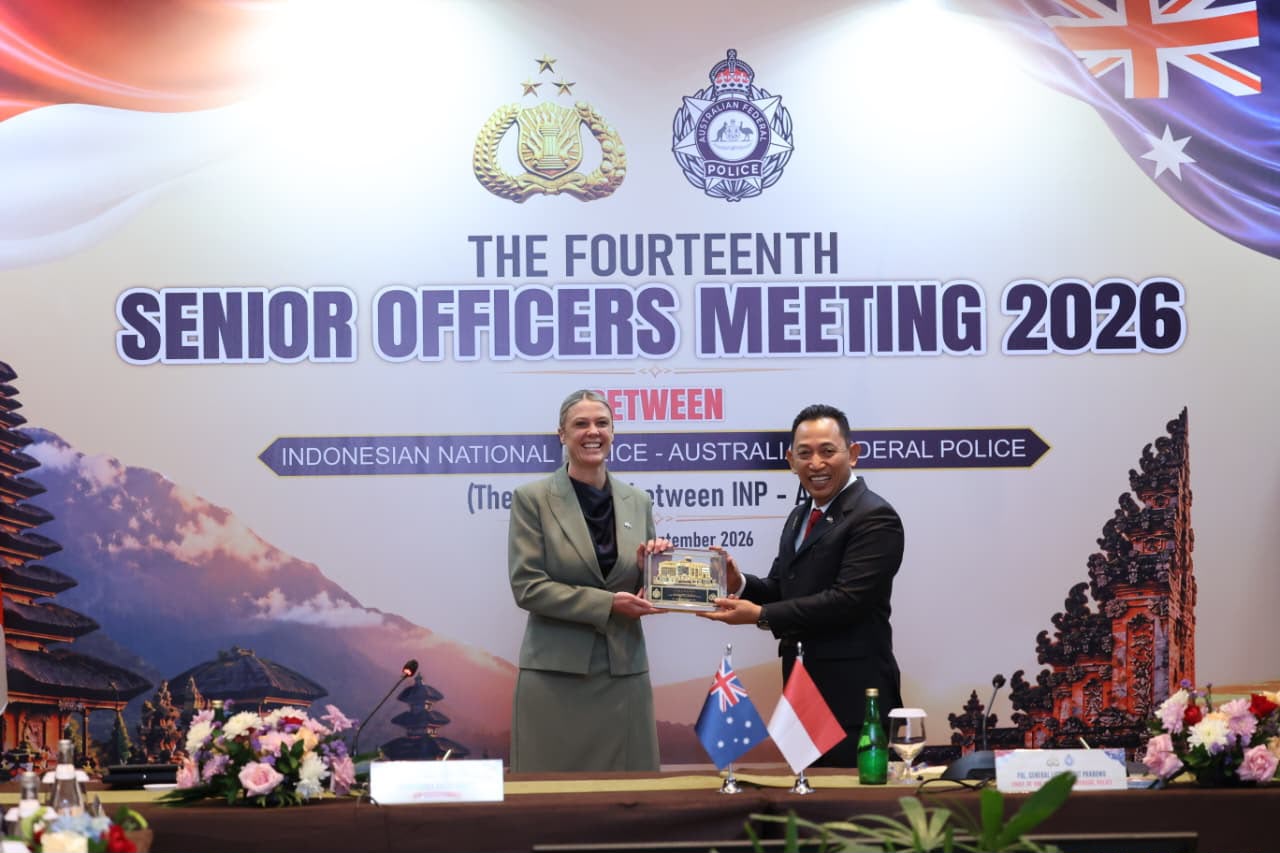
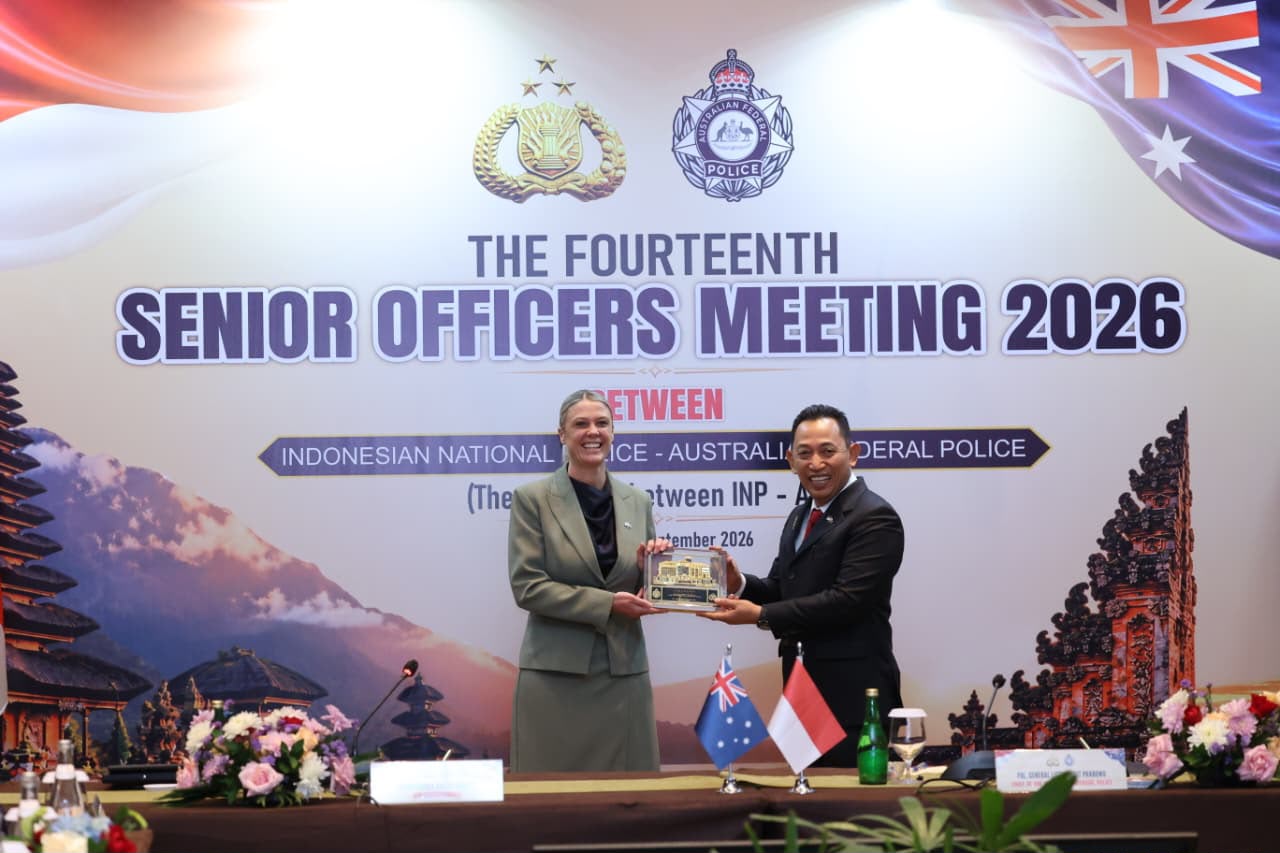
Badung, Bali — Polri dan *Australian Federal Police (AFP)* memperkuat kerja sama dalam menghadapi berbagai kejahatan transnasional melalui *_The 14th Senior Officers Meeting_ (SOM)* di Merusaka Hotel, Kabupaten Badung, Bali, Senin (21/9/2026).
SOM merupakan forum rutin tahunan Polri-AFP yang telah berlangsung sejak 2011. Pertemuan ini menjadi momentum untuk mengevaluasi kerja sama sekaligus menyepakati prioritas kedua institusi dalam menghadapi perkembangan kejahatan lintas negara yang semakin kompleks.
Dalam SOM ke-14, Polri dan AFP membahas *9 bidang prioritas kerja sama*, meliputi penanggulangan terorisme, penyelundupan manusia, eksploitasi manusia, kejahatan terorganisasi, kejahatan siber, pemberantasan korupsi, forensik, peningkatan kapasitas bersama, serta penguatan upaya pengejaran buronan.
Kapolri menegaskan pentingnya penguatan *pertukaran informasi, investigasi bersama, penegakan hukum lintas yurisdiksi, pelacakan aset dan transaksi digital, serta peningkatan kapasitas personel* dalam menghadapi kejahatan transnasional.
Rangkaian kegiatan juga diisi dengan *_JCLEC Board of Patrons Meeting_*. Sejak berdiri pada 3 Juli 2004 hingga Agustus 2026, *JCLEC telah melatih lebih dari 53.091 personel penegak hukum dari berbagai negara*.
Selain itu, dilaksanakan penandatanganan *_Circular Resolution 31_*, pembahasan *_2026 SOM Outcomes_*, serta rencana kerja sama melalui *_INP-AFP People Smuggling Cooperation Program Work Plan_* untuk memperkuat koordinasi, pertukaran informasi, dan peningkatan kapasitas dalam penanganan penyelundupan manusia.
Kapolri juga melaksanakan pertemuan bilateral dengan *_Commissioner of AFP_ Krissy Barrett* yang membahas buronan kedua negara, peluang pengembangan kerja sama Polri-AFP, serta akreditasi diplomatik para *_Liaison Officer_* AFP di Indonesia.
Kapolri menegaskan bahwa *keamanan Indonesia dan Australia tidak dapat dipisahkan*. Penguatan pertukaran informasi, operasi bersama, peningkatan kapasitas, dan penegakan hukum lintas yurisdiksi diharapkan dapat memberikan perlindungan bagi masyarakat kedua negara sekaligus mendukung keamanan kawasan Indo-Pasifik.
Seluruh rangkaian SOM ke-14 kemudian ditutup dengan *_Official Dinner_* sebagai momentum untuk semakin memperkuat kemitraan, persahabatan, dan rasa saling percaya antara Polri dan AFP.
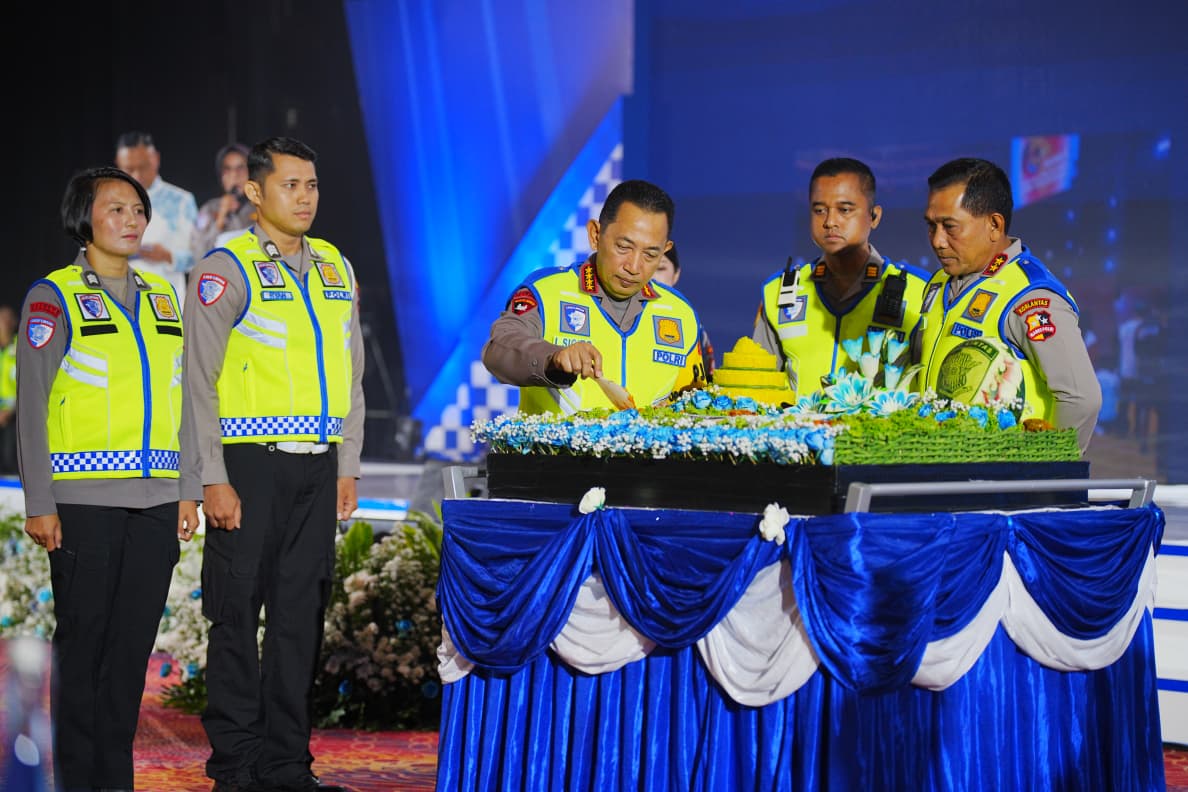
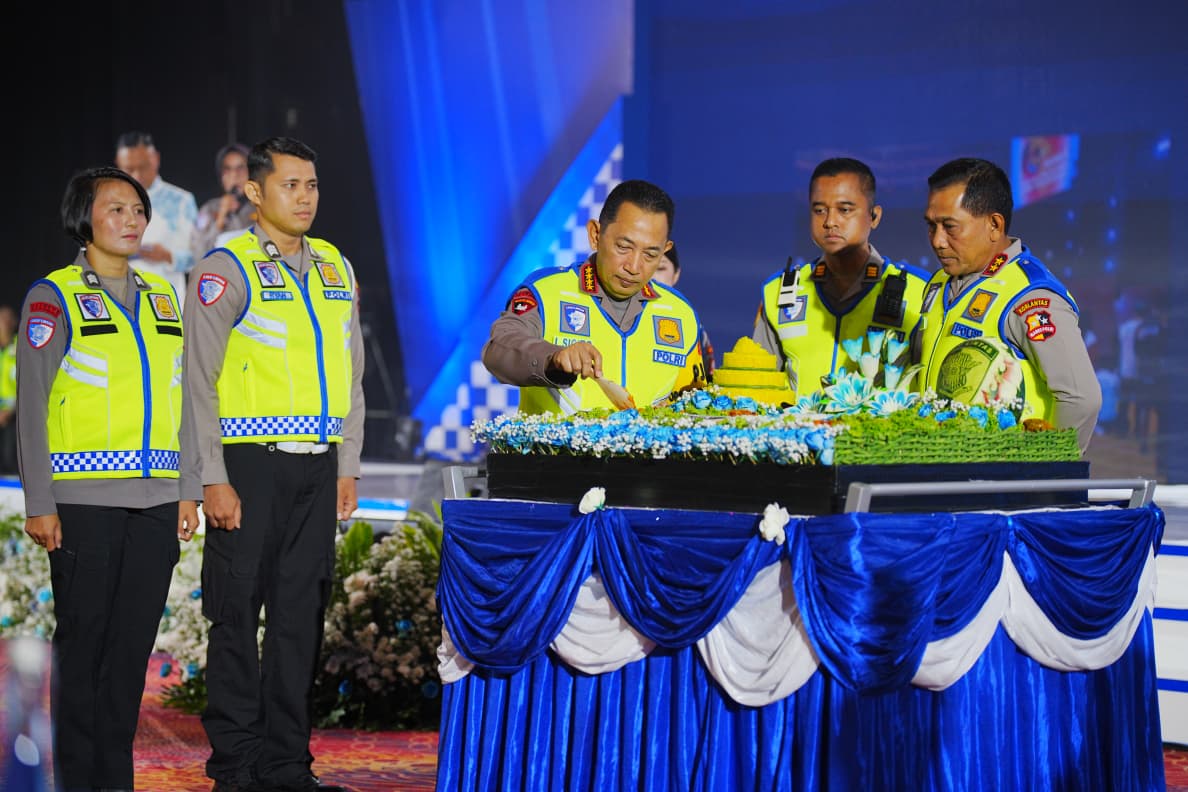
JAKARTA – Peringatan Hari Lalu Lintas Bhayangkara ke-71 menjadi momentum bagi Polri untuk mempercepat transformasi pelayanan lalu lintas. Bukan sekadar menghadirkan teknologi baru, perubahan diarahkan agar urusan masyarakat semakin sederhana, pelayanan semakin transparan, dan keselamatan di jalan semakin terjaga.
Semangat itu menjadi bagian dari Syukuran Hari Lalu Lintas Bhayangkara ke-71 yang dihadiri Kapolri Jenderal Polisi Listyo Sigit Prabowo di Hotel Bidakara, Jakarta Selatan, Jumat (25/9/2026). Mengusung tema “Polantas Presisi Mengabdi untuk Negeri”, peringatan tahun ini menegaskan komitmen menghadirkan Polantas yang semakin humanis, responsif, dan dekat dengan masyarakat.
Langkah tersebut diterjemahkan melalui peluncuran empat inovasi oleh Kapolri, yakni Pembayaran Tilang melalui Digital Korlantas, STNK Digital, Kios SIM, serta aplikasi web SIAP JALAN. Keempatnya menyentuh kebutuhan masyarakat secara langsung, mulai dari penyelesaian tilang, dokumen kendaraan, pencetakan SIM, hingga keselamatan sebelum berkendara.
Melalui Digital Korlantas, masyarakat dapat melakukan konfirmasi dan pembayaran titipan denda tilang secara digital. Prosesnya terhubung dengan Electronic Traffic Law Enforcement (ETLE) hingga pelimpahan dana ke Rekening Penampungan Lainnya Kejaksaan. Setelah putusan pengadilan, apabila nilai denda lebih rendah dari uang yang dititipkan, selisihnya dikembalikan kepada pengguna melalui sistem.
STNK Digital membawa dokumen kendaraan ke dalam genggaman masyarakat. Data kendaraan dapat diakses melalui ponsel, terhubung dengan pangkalan data Korlantas, serta dilengkapi kode QR dinamis tersertifikasi. Selain mempermudah masyarakat dan petugas saat pemeriksaan, sistem tersebut memperkuat perlindungan terhadap pemalsuan dokumen kendaraan.
Kemudahan juga diberikan melalui Kios SIM. Setelah melakukan perpanjangan SIM A atau SIM C secara digital melalui layanan SINAR, masyarakat dapat mencetak sendiri SIM fisik dengan memindai kode QR SIM Digital. Dengan mekanisme ini, pengambilan SIM tidak lagi bergantung pada antrean di Satpas. Saat ini, satu unit Kios SIM tersedia sebagai prototipe.
Sementara itu, SIAP JALAN atau Sistem Asesmen Psikologis untuk Keselamatan Perjalanan membawa transformasi digital ke aspek pencegahan kecelakaan. Pengemudi dapat melakukan asesmen melalui ponsel untuk mengetahui kesiapan sebelum melanjutkan perjalanan sekaligus mengenali faktor risiko yang dapat memengaruhi keselamatan berkendara.
Namun, transformasi Polantas tidak hanya berbicara soal teknologi. Dalam syukuran tersebut, Polri memberikan tali asih kepada keluarga anggota yang gugur saat bertugas serta bantuan kaki palsu dan kursi roda kepada korban kecelakaan. Kapolri juga memberikan penghargaan kepada personel Polantas berprestasi.
Memasuki usia ke-71, arah transformasi Polantas semakin tegas: teknologi bukan tujuan, melainkan alat untuk membuat pelayanan lebih sederhana dan keselamatan lebih terjaga. Ukuran keberhasilannya pun bukan berapa banyak aplikasi yang diluncurkan, tetapi seberapa mudah masyarakat dilayani dan seberapa aman mereka berada di jalan.
Berita
Bhayangkari Turunkan 74 Nakes dalam Bakkes di Aceh Tamiang, Sediakan Cek Lab hingga Operasi Katarak Gratis
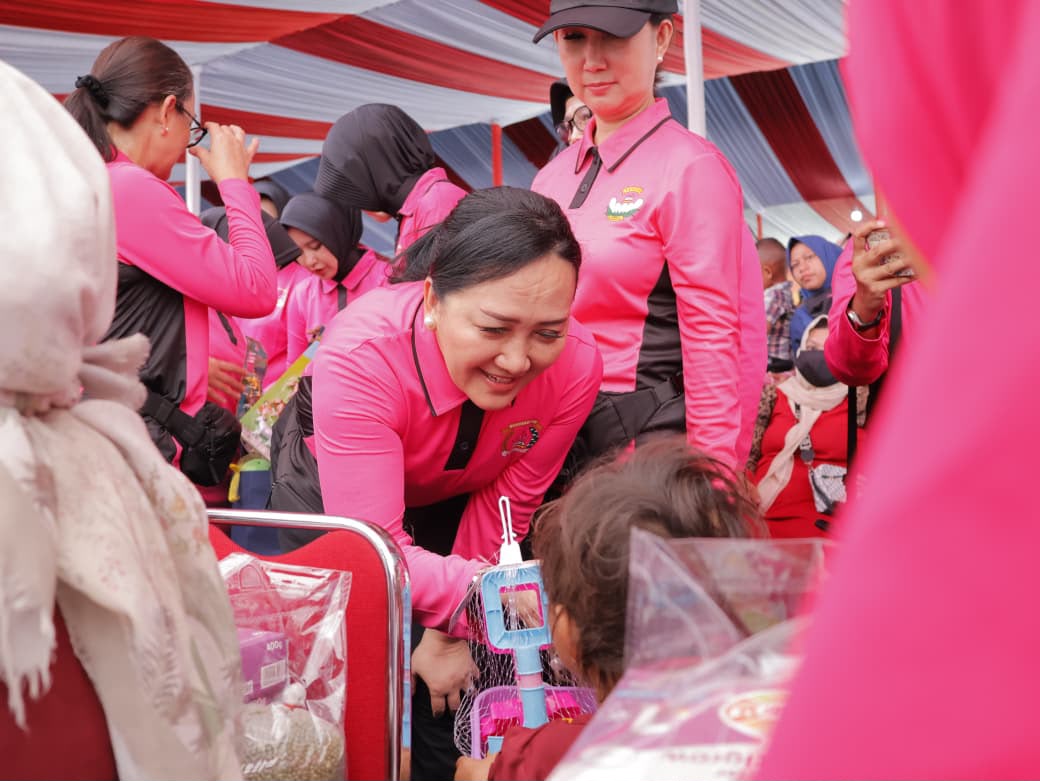
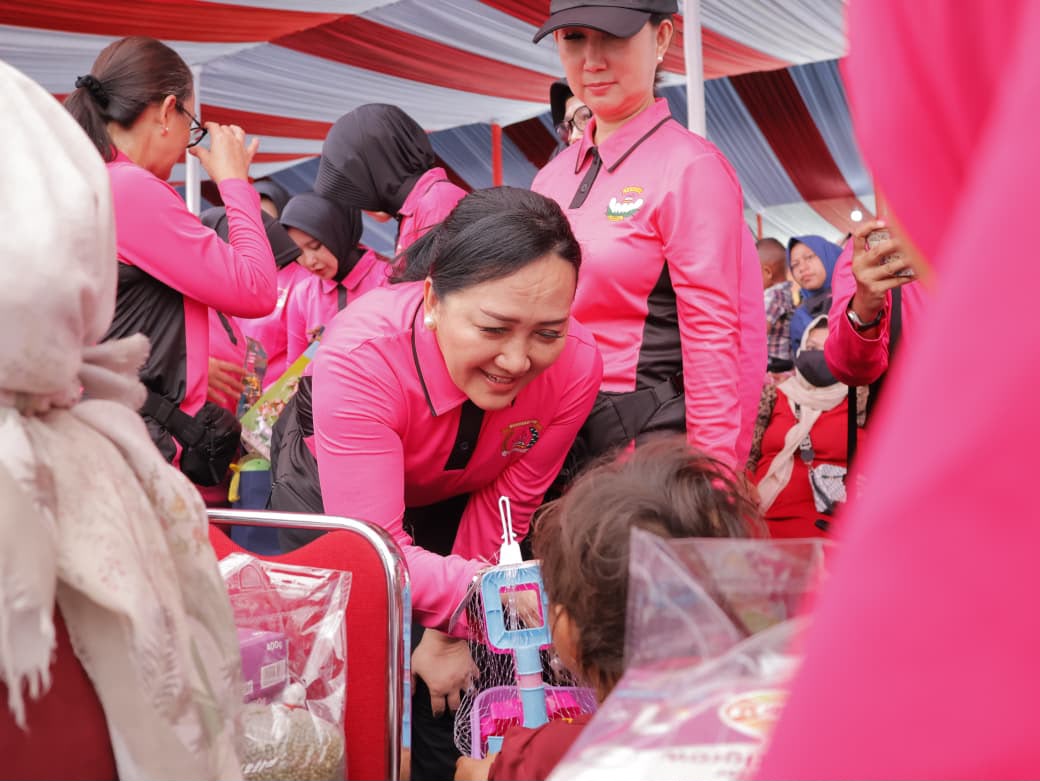
Kualasimpang — Bhayangkari menurunkan sebanyak 74 tenaga kesehatan (nakes) untuk memberikan pelayanan kesehatan gratis kepada masyarakat dalam kegiatan bakti kesehatan (bakkes) di Desa Jamur Labu, Kecamatan Rantau, Kabupaten Aceh Tamiang, Kamis, 24 September 2026.
Puluhan tenaga kesehatan tersebut terdiri atas dokter, petugas laboratorium, paramedis, apoteker, serta tenaga kesehatan lainnya. Mereka memberikan berbagai layanan kesehatan sebagai bagian dari rangkaian peringatan Hari Kesatuan Gerak Bhayangkari (HKGB) ke-74.
Kegiatan tersebut ditinjau langsung oleh Ketua Umum Bhayangkari Ny. Juliati Sigit Prabowo, didampingi Wakil Ketua Umum Bhayangkari Ny. Martha Dedi Prasetyo dan Ketua Bhayangkari Daerah Aceh Ny. Sari Ruddi, beserta jajaran pengurus Bhayangkari.
Dalam kunjungannya, Ny. Juliati melihat langsung proses pelayanan kesehatan sekaligus menyapa masyarakat yang datang untuk mendapatkan layanan gratis. Ia juga meninjau pelayanan kesehatan di Rumah Sakit Bhayangkara Polda Aceh secara virtual, termasuk pelaksanaan operasi katarak dan operasi bibir sumbing gratis.
Kabid Humas Polda Aceh Kombes Pol. Joko Krisdiyanto mengatakan, bakti kesehatan tersebut merupakan bentuk kepedulian Bhayangkari terhadap masyarakat sekaligus bagian dari rangkaian HKGB ke-74.
“Dalam kegiatan ini, Bhayangkari menyediakan sebanyak 2.000 paket pengobatan massal secara gratis bagi masyarakat,” kata Joko dalam keterangannya di lokasi kegiatan.
Ia menjelaskan, pelayanan yang diberikan cukup beragam, mulai dari poli umum, penyakit dalam, mata, obstetri dan ginekologi (obgyn), anak, paru, hingga screening stunting serta pemeriksaan kesehatan ibu dan anak. Bagi anak-anak, panitia juga menyediakan kids corner.
Selain itu, masyarakat dapat memanfaatkan layanan pemeriksaan gigi melalui mobil kesehatan gigi, pemeriksaan laboratorium, konseling, khitanan massal, pemeriksaan kesehatan umum, elektrokardiogram (EKG), rontgen, hingga operasi katarak dan bibir sumbing secara gratis.
“Seluruh layanan ini diberikan secara gratis sebagai bentuk kepedulian Bhayangkari kepada masyarakat, khususnya dalam membantu memenuhi kebutuhan pelayanan kesehatan,” ujarnya.
Dalam kegiatan tersebut, Ketua Umum Bhayangkari juga menyerahkan bantuan bagi masyarakat yang membutuhkan, berupa 10 unit kursi roda dan 10 unit tongkat kruk. Selain layanan kesehatan, Bhayangkari turut menyalurkan bantuan sosial berupa sembako, sarung, selimut, serta pasta gigi.
Joko berharap, kegiatan bakti kesehatan Bhayangkari tersebut dapat memberikan manfaat nyata bagi masyarakat, terutama dalam membantu memperoleh akses pelayanan kesehatan secara mudah dan gratis.
-
 Berita1 minggu ago
Sinergi TNI-Polri, Satlantas Polres Pasuruan Kota Edukasi Prajurit tentang Keselamatan Berlalu Lintas
-
 Polres1 minggu ago
Satlantas Polres Pasuruan Kota Gandeng Komunitas Ojol dalam Bakti Kesehatan HUT Lalu Lintas ke-71
-
 Polres1 minggu ago
Polres Ngawi dan Tim Gabungan Buat Sekat Bakar dan Dirikan Posko Antisipasi Karhutla Lawu Utara Meluas
-
 Polres1 minggu ago
Sentuh Hati! Aksi Cepat Polres Gresik Selamatkan Ekonomi Keluarga Driver Ojol Korban Kecelakaan
-
Polsek5 hari ago
Patroli Dialogis Polsek Lekok, Bangun Pondasi Kamtibmas melalui Kedekatan dan Komunikasi Bersama Masyarakat
-

 Berita6 hari ago
Komjen Pol. (P) Prof. Dr. Chrysnanda Dwilaksana, Dorong Penguatan Ilmu Kepolisian Bidang Lingkungan di Universitas Riau
-
 Berita1 minggu ago
Ziarah ke TMP, Satlantas Polres Pasuruan Kota Kenang Jasa Pahlawan di HUT Lalu Lintas Bhayangkara ke-71
-
 Berita1 minggu ago
Atasi Krisis Air, Polres Bangkalan Distribusikan 48.000 Liter Air Bersih di Dua Kecamatan