
Berita
Patroli Rutin Polsek Rejoso, Sambang Warga Antisipasi Aksi Kriminalitas 3C

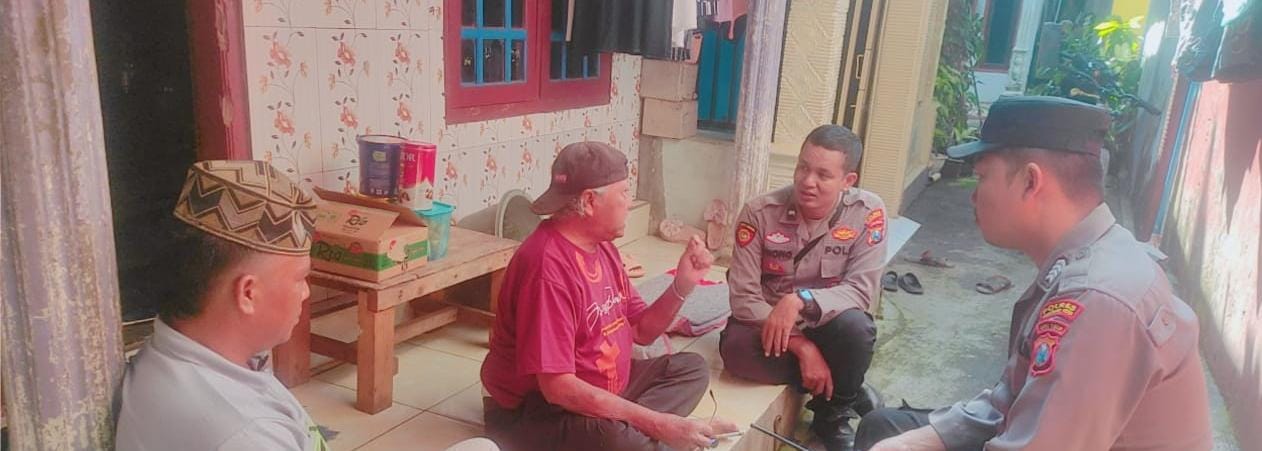
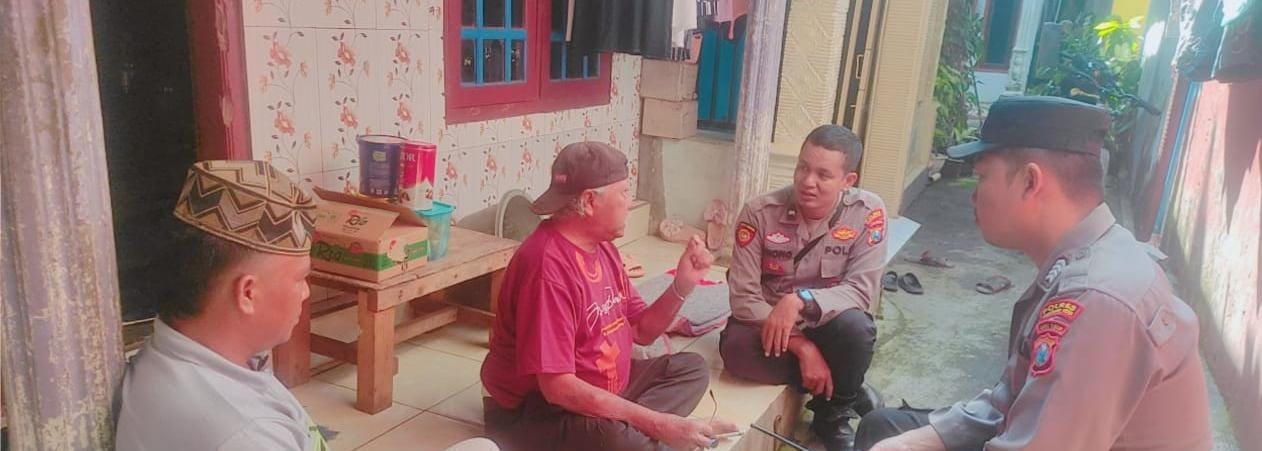
Polresta Pasuruan – Guna menjaga situasi keamanan dan ketertiban masyarakat (kamtibmas), Polsek Rejoso Polres Pasuruan Kota Polda Jawa Timur terus mengintensifkan kegiatan patroli rutin di wilayah Kecamatan Rejoso. Selasa (24/3/2026).
Dalam pelaksanaannya, anggota Polsek Rejoso tidak hanya melakukan pemantauan situasi, tetapi juga melaksanakan sambang kepada warga dengan berdialog secara langsung untuk menyampaikan imbauan kamtibmas. Kegiatan ini dilakukan sebagai langkah preventif dalam mengantisipasi tindak kriminalitas 3C (Curat, Curas, dan Curanmor).
Personel mengimbau masyarakat agar selalu meningkatkan kewaspadaan terhadap potensi kejahatan, terutama di lingkungan tempat tinggal masing-masing. Warga juga diajak untuk aktif menjaga keamanan lingkungan serta segera melaporkan kepada pihak kepolisian apabila menemukan hal-hal yang mencurigakan.
Kapolsek Rejoso AKP Agung, S.H. menyampaikan bahwa kegiatan patroli rutin yang disertai sambang warga ini merupakan upaya nyata kepolisian dalam menciptakan situasi yang aman dan kondusif.
“Melalui patroli rutin dan sambang ini, kami ingin memastikan kehadiran Polri benar-benar dirasakan oleh masyarakat sekaligus mencegah potensi tindak kriminalitas 3C di wilayah hukum Polsek Rejoso,” ujar AKP Agung.
Ia juga menekankan pentingnya peran serta masyarakat dalam menjaga keamanan lingkungan.
Dengan adanya patroli rutin dan sambang warga ini, diharapkan situasi kamtibmas di wilayah Polsek Rejoso tetap aman, kondusif, dan terkendali, sehingga masyarakat dapat beraktivitas dengan nyaman tanpa rasa khawatir.
Polres
Polres Madiun Kota Gelar Apel Harkamtibmas, Aktivitas Masyarakat Pascakegiatan di Jalan Merak Kembali Normal
MADIUN KOTA – Situasi keamanan dan ketertiban masyarakat di Kota Madiun terpantau aman dan kondusif pascakegiatan yang berlangsung di kawasan Jalan Merak pada Selasa (22/9/2026). Aktivitas masyarakat di sejumlah kawasan yang sebelumnya menjadi lokasi kegiatan juga telah kembali berjalan normal.
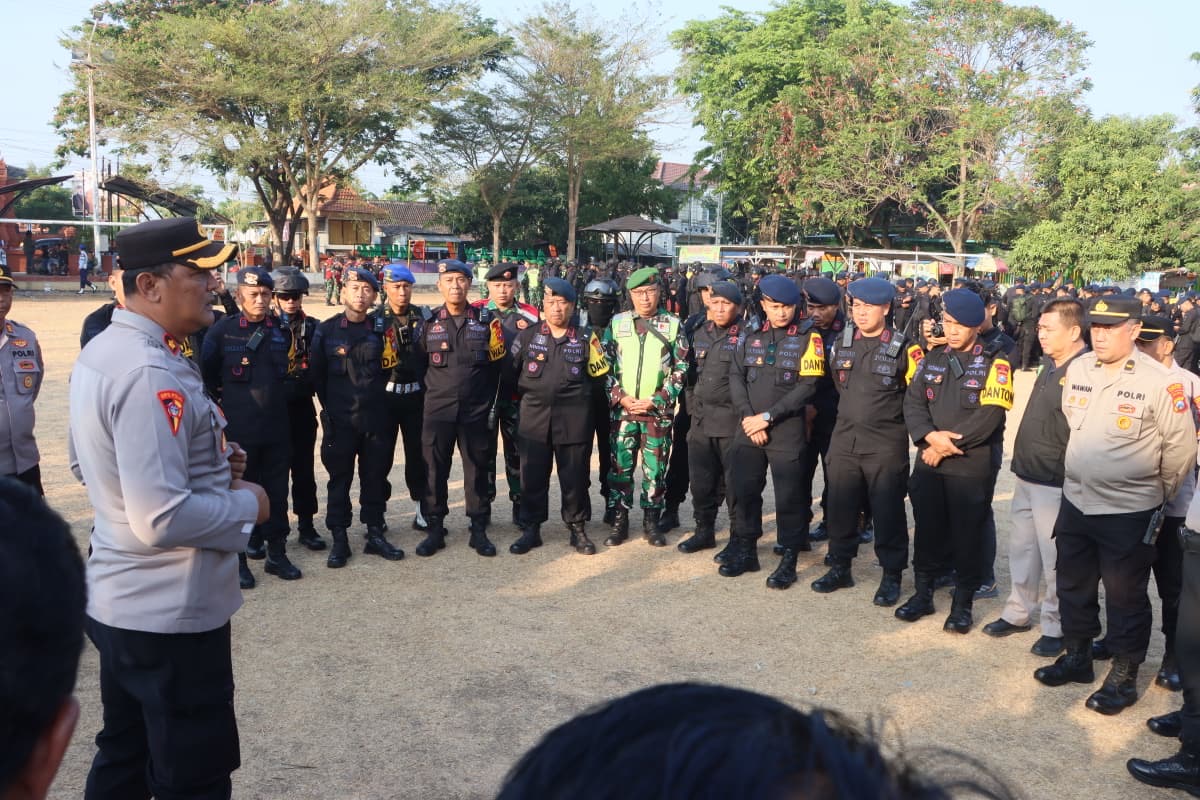
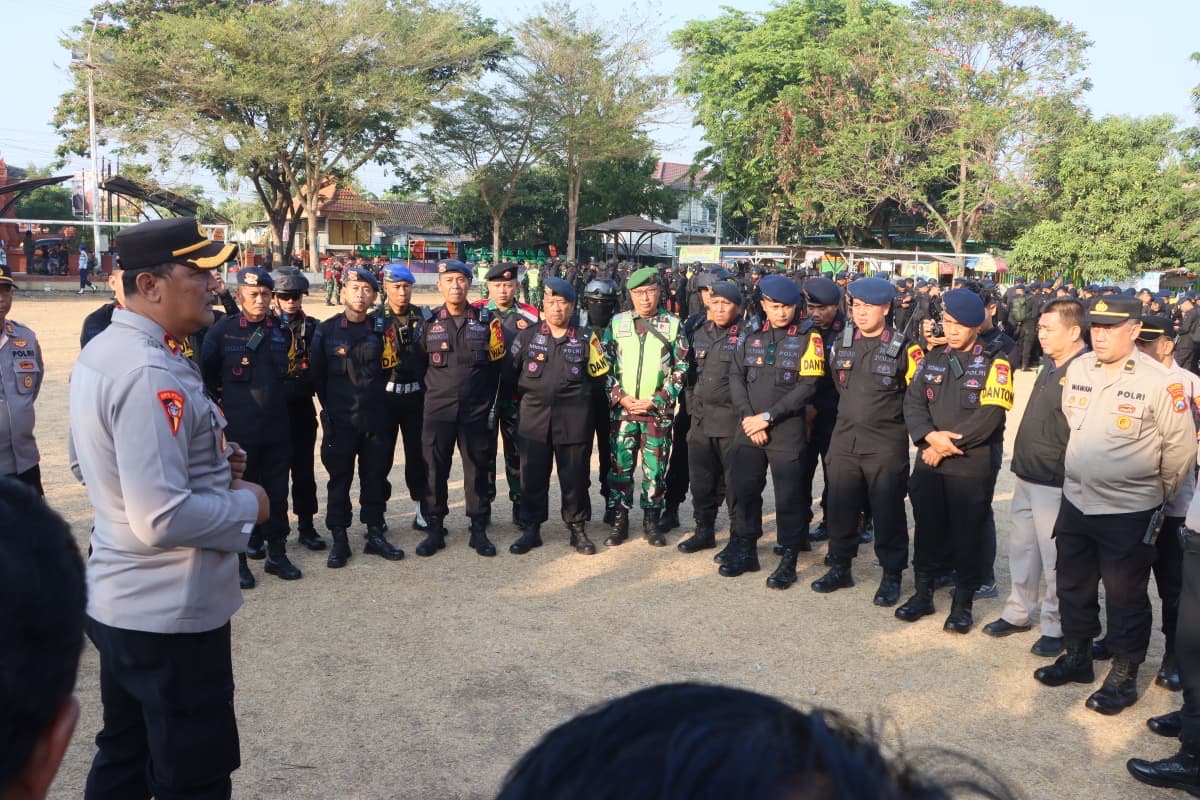
Untuk menjaga situasi tersebut, Polres Madiun Kota Polda Jawa Timur menggelar apel kesiapan pemeliharaan keamanan dan ketertiban masyarakat (Harkamtibmas) di Lapangan Loduwur, Kelurahan Nambangan Kidul, Kecamatan Manguharjo, Kota Madiun, Rabu (23/9/2026).
Apel dipimpin Wakapolres Madiun Kota Kompol Bambang Eko Sujarwo, S.H., M.H., dengan melibatkan 318 personel gabungan.
Dalam arahannya, Wakapolres menyampaikan apresiasi kepada seluruh personel dan unsur terkait atas kerja sama dalam menjaga keamanan dan ketertiban masyarakat.
“Terima kasih kepada seluruh jajaran dan personel gabungan yang terus bersinergi menjaga keamanan Kota Madiun. Terkait kegiatan kemarin, hingga saat ini situasi Kota Madiun aman dan kondusif. Mari kita bersama-sama menjaga situasi ini agar masyarakat dapat beraktivitas dengan aman dan nyaman,” ujar Kompol Bambang Eko.
Polres Madiun Kota Polda Jatim bersama unsur terkait tetap melaksanakan patroli dan kegiatan preventif guna memastikan keamanan serta kelancaran aktivitas masyarakat.
Polres Madiun Kota juga mengajak seluruh elemen masyarakat untuk bersama-sama menjaga ketertiban, menghormati perbedaan pendapat, tidak mudah terprovokasi, serta tidak menyebarkan informasi yang belum terverifikasi.
Partisipasi seluruh elemen masyarakat menjadi bagian penting dalam menjaga suasana yang aman, damai, dan kondusif di Kota Madiun.
Bersama masyarakat, Polres Madiun Kota Polda Jatim berkomitmen menjaga keamanan dan ketertiban agar seluruh aktivitas masyarakat dapat berlangsung dengan aman dan nyaman. (*)
Berita
Terapkan Ecology Policing, Patroli Gentong Polres Trenggalek Kembali Salurkan Bantuan Air Bersih
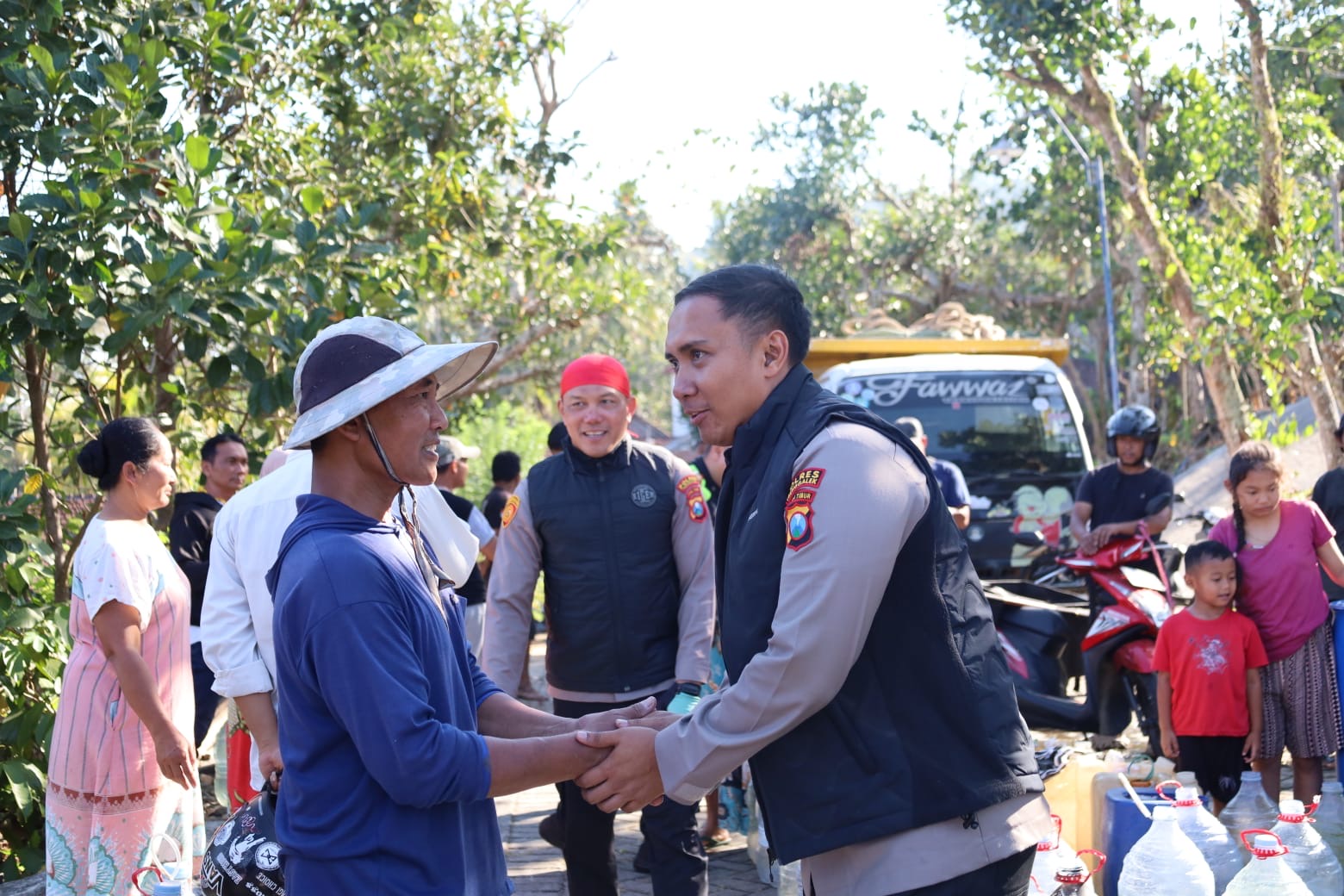
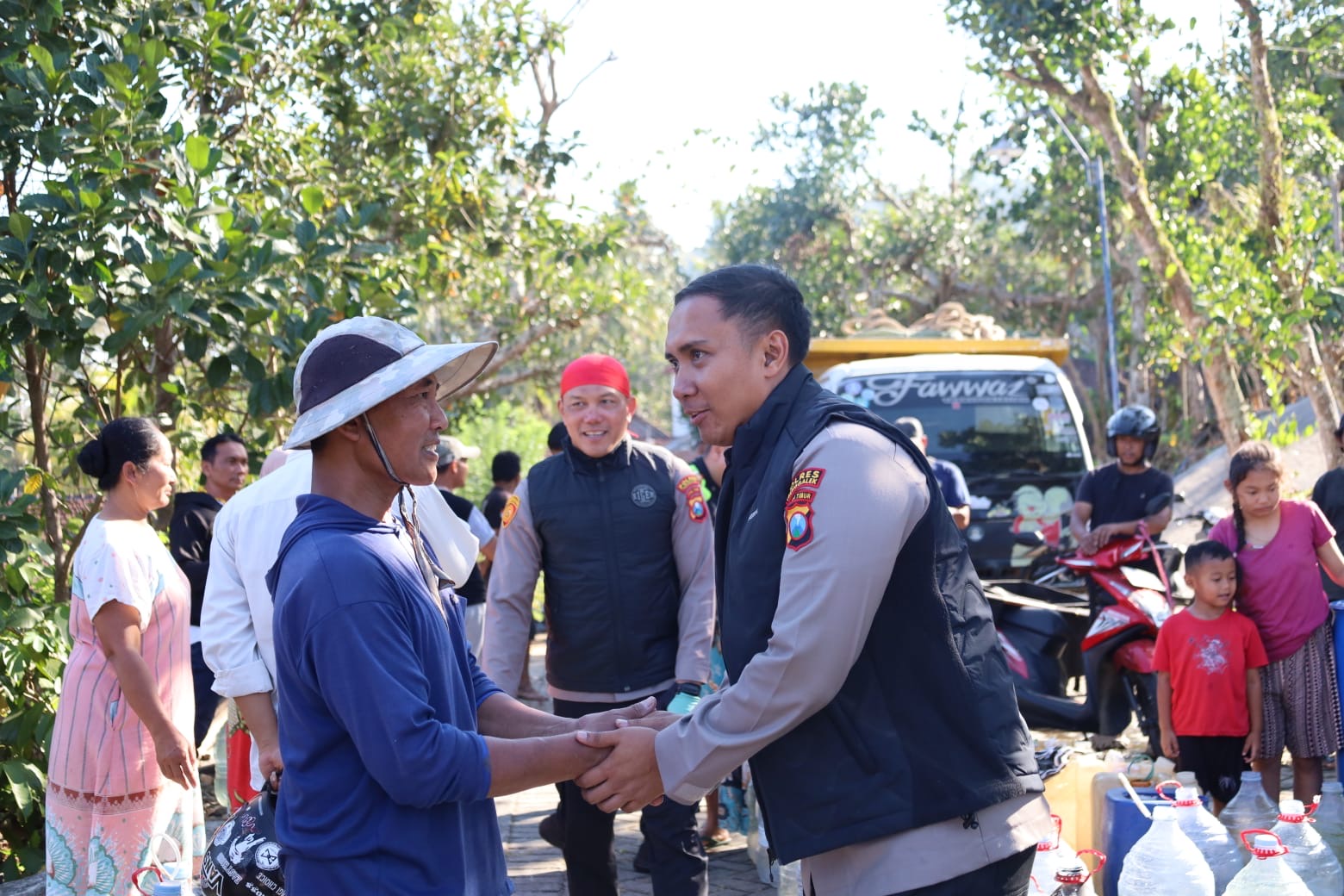
TRENGGALEK – Kekeringan panjang yang melanda sejumlah wilayah di Kabupaten Trenggalek menjadi perhatian tersendiri bagi kepolisian di jajaran Polda Jawa Timur.
Kali ini melalui Patroli Gentong, Polres Trenggalek jajaran Polda Jatim berupaya turun tangan langsung membantu masyarakat mendapatkan bantuan air bersih.
Disamping itu, Kepolisian Bumi Menak Sopal ini juga mendorong terwujudnya Ecology Policing untuk memberikan edukasi dan sentuhan kepada masyarakat untuk bersama-sama menjaga sumber air baku agar tidak rusak.
Hal tersebut diungkapkan Kapolres Trenggalek Kapolres Trenggalek, AKBP Rizky Tri Putra Erryka Adi Wijaya, S.I.K., M.H. saat menggelar patroli wilayah sekaligus menyalurkan bantuan air bersih kepada warga desa Srabah, Kecamatan Bendungan, Kabupaten Trenggalek. Selasa, (22/9).
“Kecamatan Bendungan merupakan salah satu wilayah di Trenggalek yang rawan kekeringan. Jadi hari ini kita berpatroli, melihat secara langsung kondisi masyarakat sekaligus menditribusikan bantuan air bersih.”ujar AKBP Rizky Tri Putra.
Menurut AKBP Rizky Tri Putra, dalam kegiatan ini sedikitnya 5.200 liter air dibagikan kepada warga yang membutuhkan.
Sedangkan 1.200 liter diantaranya dari Patroli Gentong Polres Trenggalek dan 4.000 liter sisanya bekerjasama dengan BPBD Kabupaten Trenggalek dan tiga pilar setempat.
Kapolres Trenggalek menegaskan, berdasar pantauan lapangan dan pengalaman dari tahun ke tahun, bencana kekeringan kerap terjadi terutama saat memasuki musim kemarau.
“Dampaknya, masyarakat seringkali mengalami krisi air bersih untuk kebutuhan sehari-hari,”kata AKBP Rizky Tri Putra.
Oleh sebab itu lanjut AKBP Rizky Tri Putra, sebelum terjadi kekeringan pihaknya mendorong masyarakat turut andil merawat sumber mata air supaya masyarakat tertutama yang berdomisli di wilayah pegunungan tetap mendapatkan pasokan air bersih.
“Melalui Ekology policing, kita berupaya melindungi ekosistem agar sumber atau mata air yang ada tetap terjaga dengan baik. Ini tentu tidak mudah, perlu dukungan dan partisipasi aktif dari seluruh stakholder dan masyarakat,” terang AKBP Rizky Tri Putra.
Pihaknya berharap, bantuan air bersih ini tidak hanya membawa manfaat yang lebih besar kepada masyarakat utamanya kebutuhan air baku, tetapi juga menggugah kesadaran kolektif masyarakat untuk bersama-sama menjaga dan merawat sumber mata air.
Sementara itu, Jumani yang juga menjabat sebagai Kasun Ampelgading desa Srabah mengaku sangat bersyukur, menerima bantuan air bersih dari jajaran Kepolisian. Menurutnya, bantuan tersebut sangat berarti dan membantu masyarakat.
“Alhamdulillah ada bantuan air. Terima kasih atas bantuan air oleh bapak Kapolres, bapak Kaposek, Bapak Kepolisian dari Kabupaten Terenggalek. Saya mengucapkan terima kasih yang sebesar-besarnya. Permintaan warga, kalau bisa bantuan air itu tiap hari ada mas,” ucapnya. (*)


JAKARTA — Polda Metro Jaya mematangkan kesiapan pengamanan dan pelayanan masyarakat menjelang sejumlah kegiatan penyampaian aspirasi yang dijadwalkan berlangsung di Jakarta pada 24 September 2026, bertepatan dengan peringatan Hari Tani Nasional. Kesiapan dilakukan untuk memastikan masyarakat dapat menyampaikan pendapat dengan aman dan tertib, sekaligus menjaga aktivitas warga tetap berjalan dengan baik.
Sebagai bagian dari kesiapan tersebut, Kapolda Metro Jaya Komjen Pol. Asep Edi Suheri memimpin Tactical Floor Game (TFG) di Balai Sarbini, Jakarta Selatan, Rabu (23/9/2026). Kegiatan ini digelar untuk menyamakan persepsi seluruh unsur serta memastikan pelayanan, komunikasi, pengaturan lalu lintas, dan pengamanan di lapangan berjalan terarah serta menyesuaikan perkembangan situasi.
“TFG ini harus bisa menyamakan persepsi dan mematangkan seluruh rencana pengamanan, mulai dari plotting personel, pengawalan massa, pengaturan lalu lintas, cara bertindak, komunikasi, sampai kendali operasi yang terarah,” ujar Komjen Asep
Polda Metro Jaya juga memperkuat komunikasi dengan koordinator lapangan dan terus memperbarui perkembangan kegiatan. Koordinasi tersebut menjadi bagian penting agar penyampaian aspirasi dapat berlangsung tertib, sementara personel di lapangan tetap mengedepankan pendekatan humanis, profesional, dan terukur.
Mobilitas masyarakat turut menjadi perhatian. Ditlantas Polda Metro Jaya menyiapkan 1.550 personel di sejumlah kawasan, antara lain Semanggi, Sudirman, kawasan UOB, Senayan,Gedung DPR/MPR RI, Bundaran Patung Kuda, dan Monas. Rekayasa lalu lintas akan diterapkan secara situasional apabila terjadi peningkatan kepadatan maupun penutupan ruas jalan akibat kegiatan di sejumlah lokasi.
Kabidhumas Polda Metro Jaya Kombes Pol. Budi Hermanto mengatakan kepolisian menghormati hak masyarakat untuk menyampaikan pendapat sekaligus memastikan hak masyarakat lainnya untuk beraktivitas tetap terjaga.
“Kami menghormati ruang masyarakat untuk menyampaikan aspirasi. Pada saat yang sama, kami juga ingin memastikan masyarakat yang bekerja, bersekolah, maupun menjalankan aktivitas sehari-hari tetap dapat beraktivitas dengan aman dan nyaman,” ujarnya.
Masyarakat yang akan melintas di sekitar lokasi kegiatan diimbau menyesuaikan waktu perjalanan, memperhatikan informasi lalu lintas, mempertimbangkan jalur alternatif bila diperlukan, serta mengikuti arahan petugas di lapangan. Polda Metro Jaya berharap seluruh kegiatan pada 24 September dapat berlangsung aman, tertib, dan saling menghormati, sehingga ruang penyampaian aspirasi dan aktivitas masyarakat lainnya dapat berjalan berdampingan dengan baik.
-
 Berita1 minggu ago
Sinergi TNI-Polri, Satlantas Polres Pasuruan Kota Edukasi Prajurit tentang Keselamatan Berlalu Lintas
-
 Berita1 minggu ago
Satlantas Pasuruan Kota Pasang Banner di Jalur Rawan Laka, Pengendara Diingatkan Utamakan Keselamatan
-
 Berita1 minggu ago
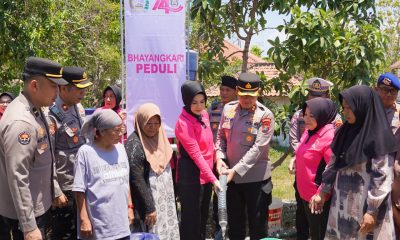
Atasi Krisis Air, Polres Bangkalan Distribusikan 48.000 Liter Air Bersih di Dua Kecamatan
-
 Polres1 minggu ago
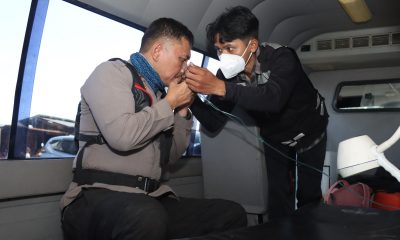
Polres Malang Libatkan Tim Dokkes, Menjaga Napas Para Penjinak Api Karhutla di Lereng Bromo
-
Polsek1 minggu ago
Polres Pasuruan Kota Dukung Ketahanan Pangan, Bhabinkamtibmas Dampingi Petani Jagung di Desa Tidu
-
 Berita1 minggu ago
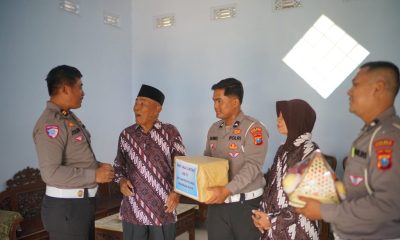
HUT Lantas ke-71, Satlantas Polres Pasuruan Kota Sambangi Purnawirawan IPTU Abadi
-
 Polres6 hari ago
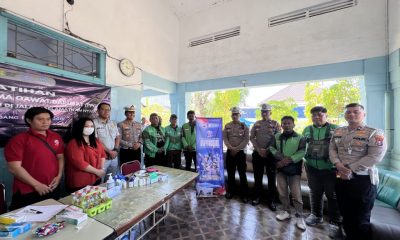
Satlantas Polres Pasuruan Kota Gandeng Komunitas Ojol dalam Bakti Kesehatan HUT Lalu Lintas ke-71
-
 Polres5 hari ago
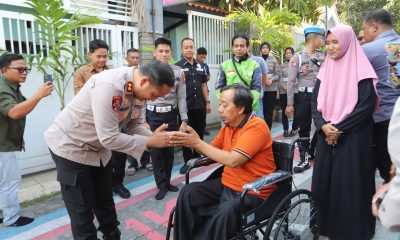
Sentuh Hati! Aksi Cepat Polres Gresik Selamatkan Ekonomi Keluarga Driver Ojol Korban Kecelakaan