
Berita
Polres Pelabuhan Tanjungperak Test Urine Sopir Truk dan Bus Jelang Mudik Lebaran

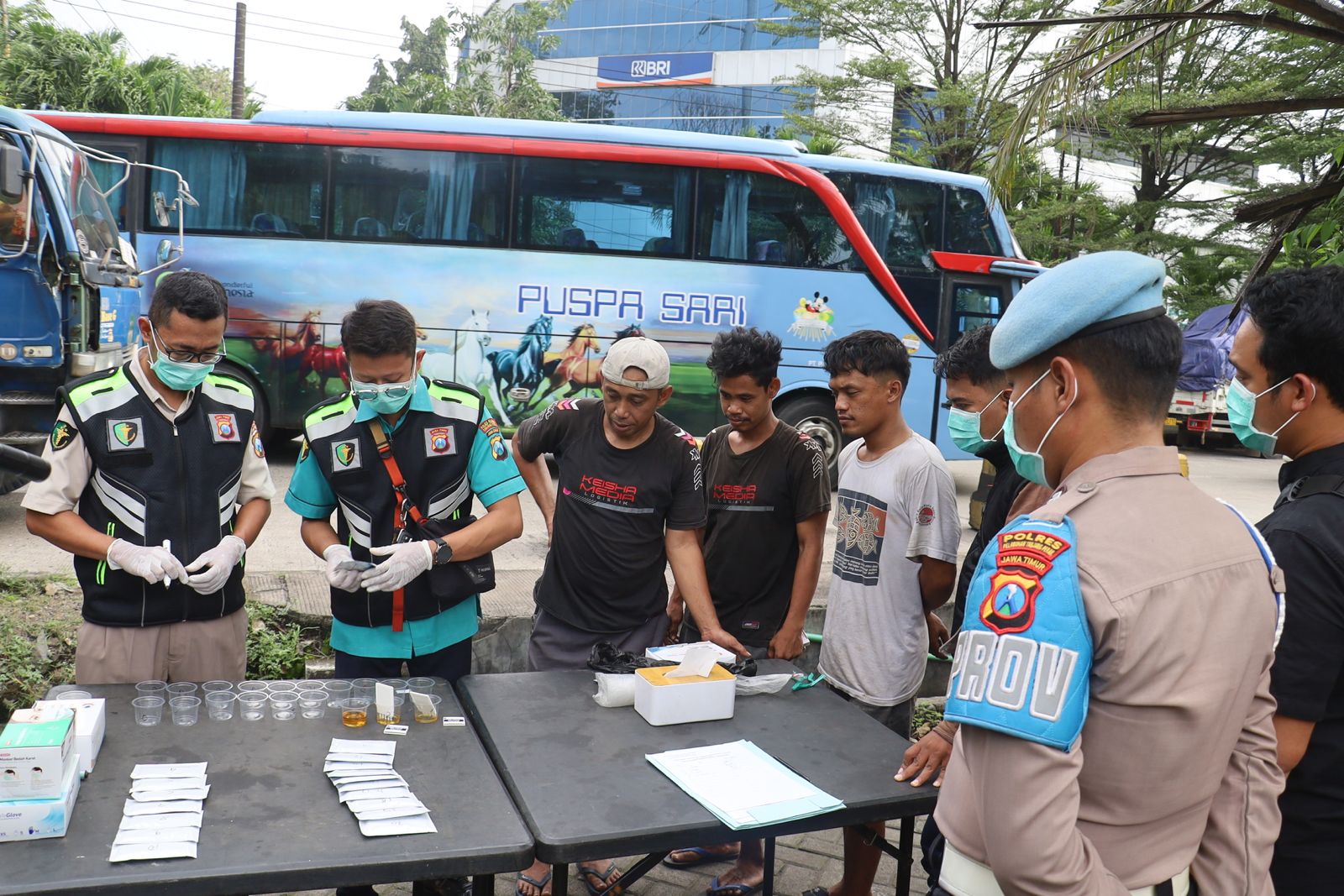

TANJUNGPERAK – Keselamatan dalam perjalanan menjadi prioritas kepolisian baik bagi angkutan orang maupun barang.
Polres Pelabuhan Tanjungperak Polda Jawa Timur melaksanakan langkah antisipatif dengan melakukan cek urine pada sopir truk dan bus antarpulau di Jalan Prapat Kurung dan Gate Pelabuhan Jamrud, Surabaya, Rabu (11/3).
Sebanyak 43 orang pengemudi angkutan baik penumpang maupun barang dilakukan tes urine di dua lokasi.
Pemeriksaan dilakukan pada seluruh sopir baik truk maupun bus yang berada di lokasi.
Kapolres Pelabuhan Tanjung Perak AKBP Wahyu Hidayat melalui Kasi Humas Iptu Suroto mengatakan tes urine ini untuk memastikan pengemudi bersih dari narkoba demi keselamatan baik diri sendiri maupun orang lain selama dalam perjalanan.
“Pemeriksaan pada sopir truk dan bus ini dilakukan secara mendadak oleh Satresnarkoba Polres Pelabuhan Tanjungperak dengan melibatkan Siedokkes,”kata Iptu Suroto.
Hal ini dilakukan menjelang lebaran atau Idulfitri untuk memastikan perjalanan mudik lancar dan aman sehingga sesuai dengan tagline mudik tahun ini yaitu “Mudik Aman Keluarga Bahagia”.
Dari 43 sopir yang dilakukan cek urine, seluruhnya negatif menggunakan narkoba.
“Kami juga berpesan agar sopir tidak ugal-ugalan da tetap tertib berlalu lintas. Ini menyangkut keselamatan bersama,”tutup Iptu Suroto. (*)
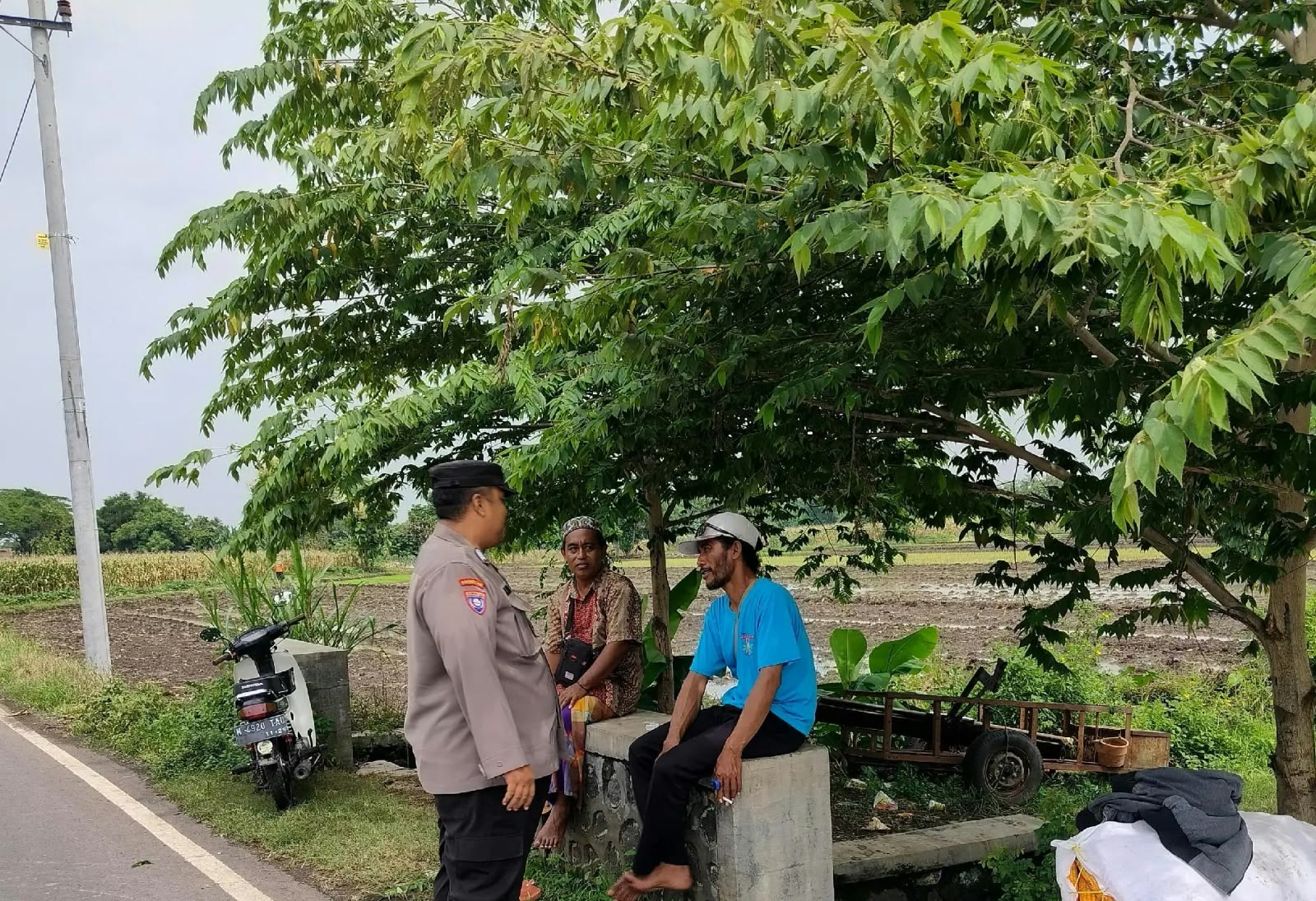
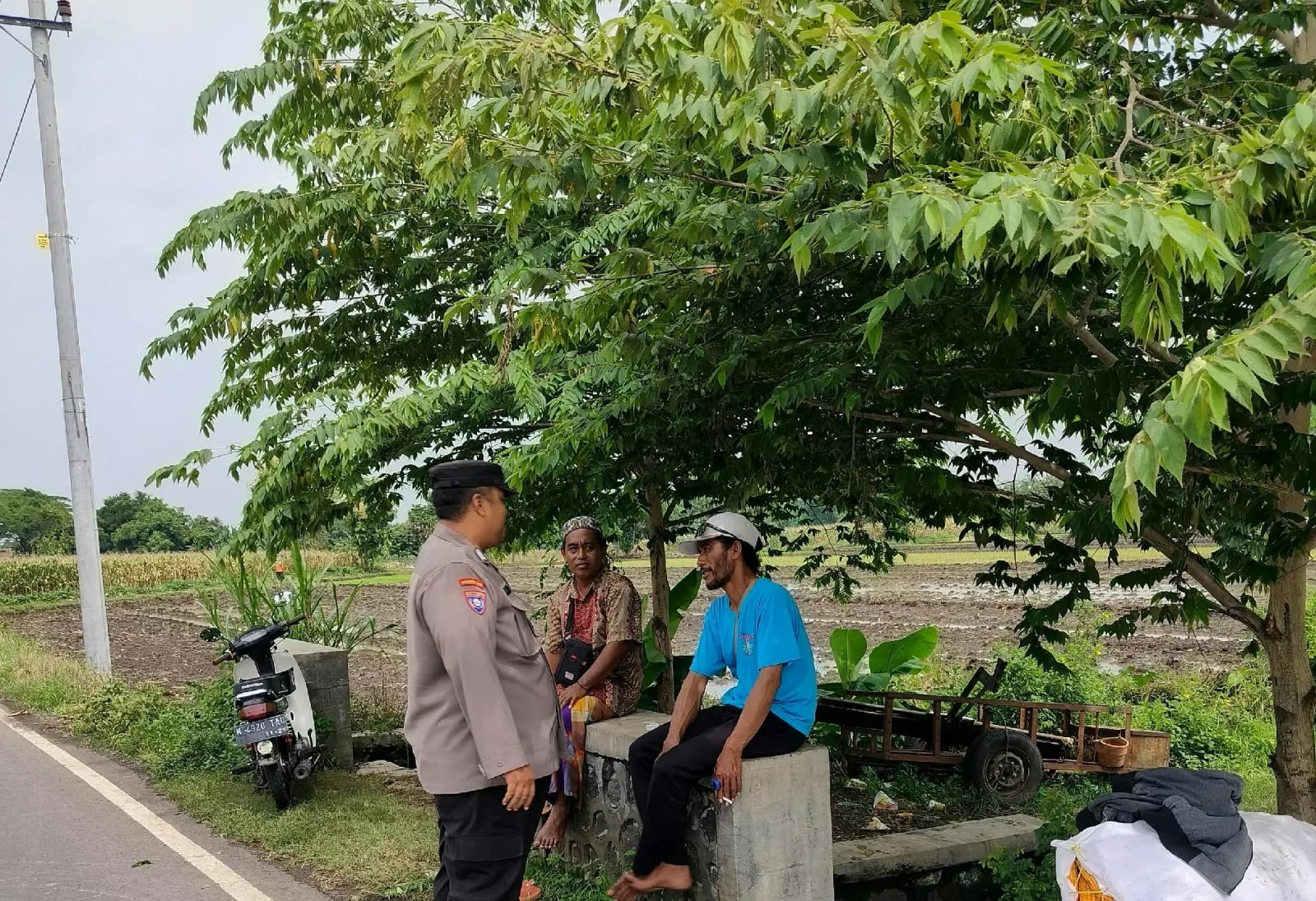
Polresta Pasuruan – Dalam mendukung Program Asta Cita di bidang ketahanan pangan, Bhabinkamtibmas Desa Sungiwetan Polsek Pohjentrek Polres Pasuruan Kota Polda Jatim Bripka Rozak melaksanakan kunjungan sekaligus monitoring tanaman jagung milik warga di Desa Sungiwetan, Kecamatan Pohjentrek, Kabupaten Pasuruan. Selasa (22/9/2026).
Kegiatan tersebut dilakukan dengan melihat secara langsung kondisi dan perkembangan tanaman jagung yang dikelola warga. Selain monitoring, Bripka Rozak juga berdialog dengan pemilik lahan untuk memberikan motivasi agar tanaman dapat dirawat dengan baik sehingga hasil pertanian bisa semakin optimal.
Pendampingan yang dilakukan Bhabinkamtibmas merupakan bentuk kepedulian dan dukungan Polri terhadap program ketahanan pangan nasional, sekaligus mendorong masyarakat untuk terus mengembangkan sektor pertanian dalam rangka mewujudkan swasembada pangan.
Kapolsek Pohjentrek AKP Sukresna, S.H., mengatakan bahwa Bhabinkamtibmas akan terus dilibatkan dalam pendampingan dan pemantauan kegiatan pertanian di wilayah binaannya.
“Polri melalui Bhabinkamtibmas terus mendukung masyarakat dalam mengembangkan potensi pertanian di wilayah masing-masing. Kami berharap pendampingan ini dapat memberikan semangat kepada para petani untuk terus mengelola lahan secara produktif sehingga ikut memperkuat ketahanan pangan,” ujar AKP Sukresna.
Menurutnya, sinergi antara Polri dan masyarakat menjadi salah satu bagian penting dalam mendukung program pemerintah di bidang ketahanan pangan.
Melalui kegiatan monitoring dan pendampingan tersebut, Polsek Pohjentrek berkomitmen untuk terus hadir di tengah masyarakat, tidak hanya dalam menjaga Kamtibmas, tetapi juga turut mendukung program pembangunan dan ketahanan pangan demi terwujudnya swasembada pangan nasional.
#astacita
#polrespasuruankota
#birosdmpoldajatim
#ketahananpanganpoldajatim
#polripresisi
#swasembadapangan
#swassembadajagung
#polisicintapetani
#astacitapresiden
Berita
Kring Serse Dini Hari, Unit Reskrim Polsek Lekok Cegah Street Crime dan Jaga Jalur Pantura Tetap Aman

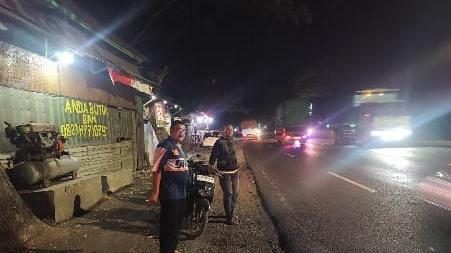
Polresta Pasuruan – Guna mencegah terjadinya aksi kriminalitas dan gangguan Kamtibmas, Unit Reskrim Polsek Lekok Polres Pasuruan Kota Polda Jatim melaksanakan kegiatan Kring Serse di wilayah hukum Polsek Lekok, Selasa (22/9/2026) dini hari.
Kegiatan yang dilaksanakan mulai pukul 01.20 WIB tersebut menyasar wilayah Desa Gejugjati, Kecamatan Lekok, Kabupaten Pasuruan. Personel Kring Serse melakukan pemantauan situasi sekaligus mengantisipasi potensi terjadinya street crime, seperti pencurian, penjambretan maupun pencurian hewan.
Kegiatan tersebut merupakan langkah preventif sekaligus bentuk quick response Unit Reskrim Polsek Lekok dalam menjaga keamanan wilayah, khususnya pada jam rawan.
Personel juga terus membangun komunikasi dan sinergi dengan masyarakat serta aparatur desa guna mendukung terciptanya situasi Kamtibmas yang aman dan kondusif.
Kapolsek Lekok AKP Mawan Budi Prabowo, S.H., mengatakan kegiatan Kring Serse akan terus ditingkatkan sebagai bagian dari upaya pencegahan kriminalitas di wilayah hukum Polsek Lekok.
“Kami mengoptimalkan kegiatan Kring Serse, khususnya pada jam-jam rawan, untuk mencegah terjadinya tindak kriminalitas sekaligus memberikan rasa aman kepada masyarakat. Personel juga kami tekankan agar selalu responsif terhadap setiap informasi maupun kejadian yang membutuhkan kehadiran kepolisian,” ujar AKP Mawan.
Melalui kegiatan Kring Serse yang dilaksanakan secara rutin, Polsek Lekok berkomitmen untuk terus hadir di tengah masyarakat, mencegah potensi kriminalitas sejak dini serta memberikan pelayanan, perlindungan dan pengayoman demi terciptanya situasi Kamtibmas yang aman dan kondusif.
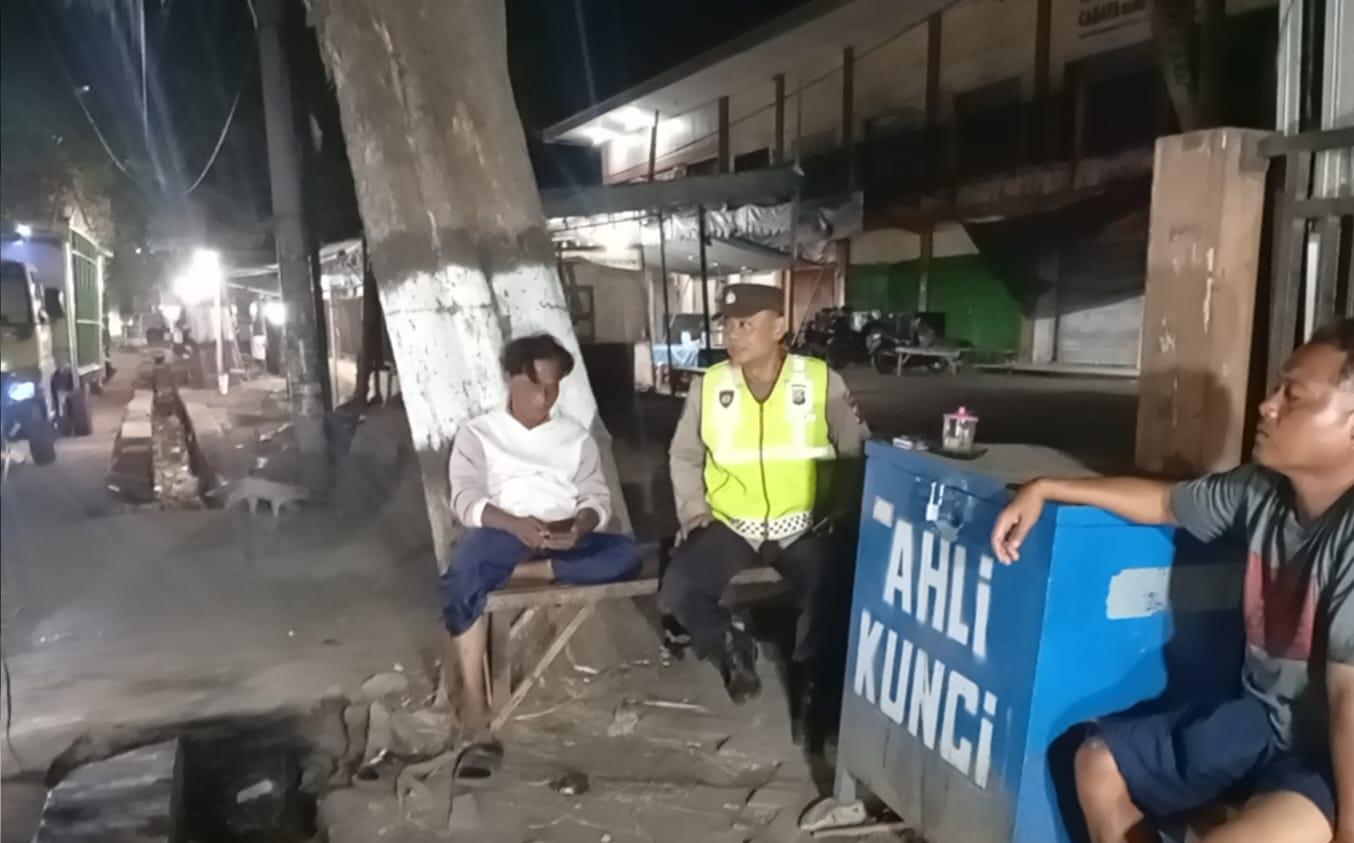
Polresta Pasuruan – Antisipasi aksi kriminalitas dan berbagai gangguan Kamtibmas, Polsek Pohjentrek Polres Pasuruan Kota Polda Jatim meningkatkan kegiatan patroli Paskot SAE pada waktu dini hari di wilayah Kecamatan Pohjentrek, Kabupaten Pasuruan. Selasa (22/9/2026).
Patroli dilakukan dengan menyusuri sejumlah titik yang dinilai membutuhkan perhatian, sekaligus memantau situasi lingkungan masyarakat.
Kehadiran personel di lapangan diharapkan dapat mencegah potensi gangguan keamanan serta memberikan rasa aman dan nyaman bagi masyarakat yang masih beraktivitas pada waktu dini hari.
Tidak hanya melakukan pemantauan, personel juga melaksanakan patroli dialogis dengan masyarakat yang ditemui.
Dalam kesempatan tersebut, personel menyampaikan imbauan Kamtibmas agar masyarakat tetap meningkatkan kewaspadaan dan segera berkoordinasi dengan kepolisian apabila mengetahui adanya kejadian atau aktivitas yang mencurigakan.
Kapolsek Pohjentrek AKP Sukresna, S.H., mengatakan patroli Paskot SAE merupakan salah satu upaya preventif Polsek Pohjentrek untuk menjaga situasi Kamtibmas, khususnya pada waktu-waktu rawan.
“Patroli kami tingkatkan pada waktu dini hari untuk mengantisipasi berbagai potensi gangguan Kamtibmas. Selain patroli, personel juga kami arahkan untuk berdialog dengan masyarakat agar komunikasi tetap terjalin dan setiap informasi terkait keamanan dapat segera diketahui,” ujar AKP Sukresna.
Ia menambahkan, sinergi antara kepolisian dan masyarakat sangat diperlukan dalam menciptakan lingkungan yang aman dan kondusif.
Masyarakat juga diimbau untuk tidak ragu melaporkan kepada kepolisian apabila menemukan potensi gangguan keamanan di lingkungan sekitar.
Melalui patroli Paskot SAE yang dilakukan secara rutin, Polsek Pohjentrek berkomitmen untuk terus hadir di tengah masyarakat, mencegah kriminalitas sejak dini serta memberikan pelayanan dan perlindungan guna mewujudkan situasi Kamtibmas yang aman, tertib dan kondusif.
-
 Berita6 hari ago
Sinergi TNI-Polri, Satlantas Polres Pasuruan Kota Edukasi Prajurit tentang Keselamatan Berlalu Lintas
-
 Berita1 minggu ago
Satlantas Pasuruan Kota Pasang Banner di Jalur Rawan Laka, Pengendara Diingatkan Utamakan Keselamatan
-
 Berita6 hari ago
Atasi Krisis Air, Polres Bangkalan Distribusikan 48.000 Liter Air Bersih di Dua Kecamatan
-
 Polres7 hari ago
Polres Malang Libatkan Tim Dokkes, Menjaga Napas Para Penjinak Api Karhutla di Lereng Bromo
-
Polsek1 minggu ago
Polres Pasuruan Kota Dukung Ketahanan Pangan, Bhabinkamtibmas Dampingi Petani Jagung di Desa Tidu
-

 Berita1 minggu ago
Polri Kerahkan Tim DVI untuk Mendukung Penanganan Hilangnya Kapal Virgo
-
 Polres5 hari ago
Musim Kemarau, Polres Jember Perkuat Patroli Kawasan Hutan Cegah Karhutla
-
 Polda1 minggu ago
Polda Jatim Siagakan Posko DVI di RS Bhayangkara Surabaya, Dukung Penanganan KM Virgo Transport 8