
Berita
Peringati Isra’ Mi’raj 1446 H, Wakapolda Jatim Ingatkan Semangat Transformasi Menuju Polri yang Presisi


SURABAYA – Kepolisian Daerah Jawa Timur menggelar acara peringatan Isra’ Mi’raj Nabi Muhammad SAW 1446 H tahun 2025 di Masjid Nurul Huda Mapolda Jatim, Kamis (30/1/2025) pagi.
Hadir dalam kegiatan tersebut, Wakapolda Jatim Brigjen Pol. Pasma Royce, pejabat utama (PJU) Polda Jatim, Wakil Ketua Bhayangkari, pengurus Bhayangkari dan diikuti seluruh anggota Polda Jatim.
Pembukaan acara dimulai dengan pembacaan ayat suci Al Qur’an yang dilanjutkan dengan pemberian santunan kepada Anak yatim Rodhotul Banat Margorejo Surabaya.
Wakapolda Jatim Brigjen Pol Pasma Royce dalam sambutannya menyampaikan, semangat peringatan Isra Mi’raj tetap aktual dan relevan bagi upaya pembinaan mental, moral dan spiritual Polri.
“Pembinaan mental, moral dan spiritual Polri yang diwujudkan dengan semangat transformasi menuju Polri yang Presisi,” kata Brigjen Pol Pasma Royce, Kamis (30/1/2025) pagi.
Mantan Kapolrestabes Surabaya ini mengajak kepada seluruh anggota Polri jajaran Polda Jatim, untuk mawas diri dan mengadakan kaji ulang terhadap diri masing masing.
”Seberapa jauh diri kita sebagai pengikut Nabi Muhammad SAW, telah mewarisi nilai-nilai spiritual yang terkandung dalam peristiwa Isra Mi’raj, baik dalam tugas sebagai keluarga besar Polri maupun dalam kehidupan sehari hari di tengah tengah masyarakat,” tutur Brigjen Pasma.
Wakapolda Jatim ini juga mengungkapkan, tujuan pokok memperingati hari – hari keagamaan bersejarah seperti ini tidak lain adalah untuk mempertebal iman dan taqwa.
“Dengan dasar Iman dan taqwa itulah kita meningkatkan kualitas SDM Polri yang unggul untuk mewujudkan Polri yang Presisi,” lanjutnya.
Peringatan Isra Mi’raj ini jugacdiharapkan menjadi momen pembinaan spiritual dan moral bagi seluruh anggota Polda Jatim, serta mempererat hubungan antar umat beragama dalam mewujudkan keharmonisan masyarakat. (*)
Berita
Bromo Kembali Dibuka untuk Wisatawan, Polres Probolinggo Beri Atensi Khusus Pencegahan Karhutla

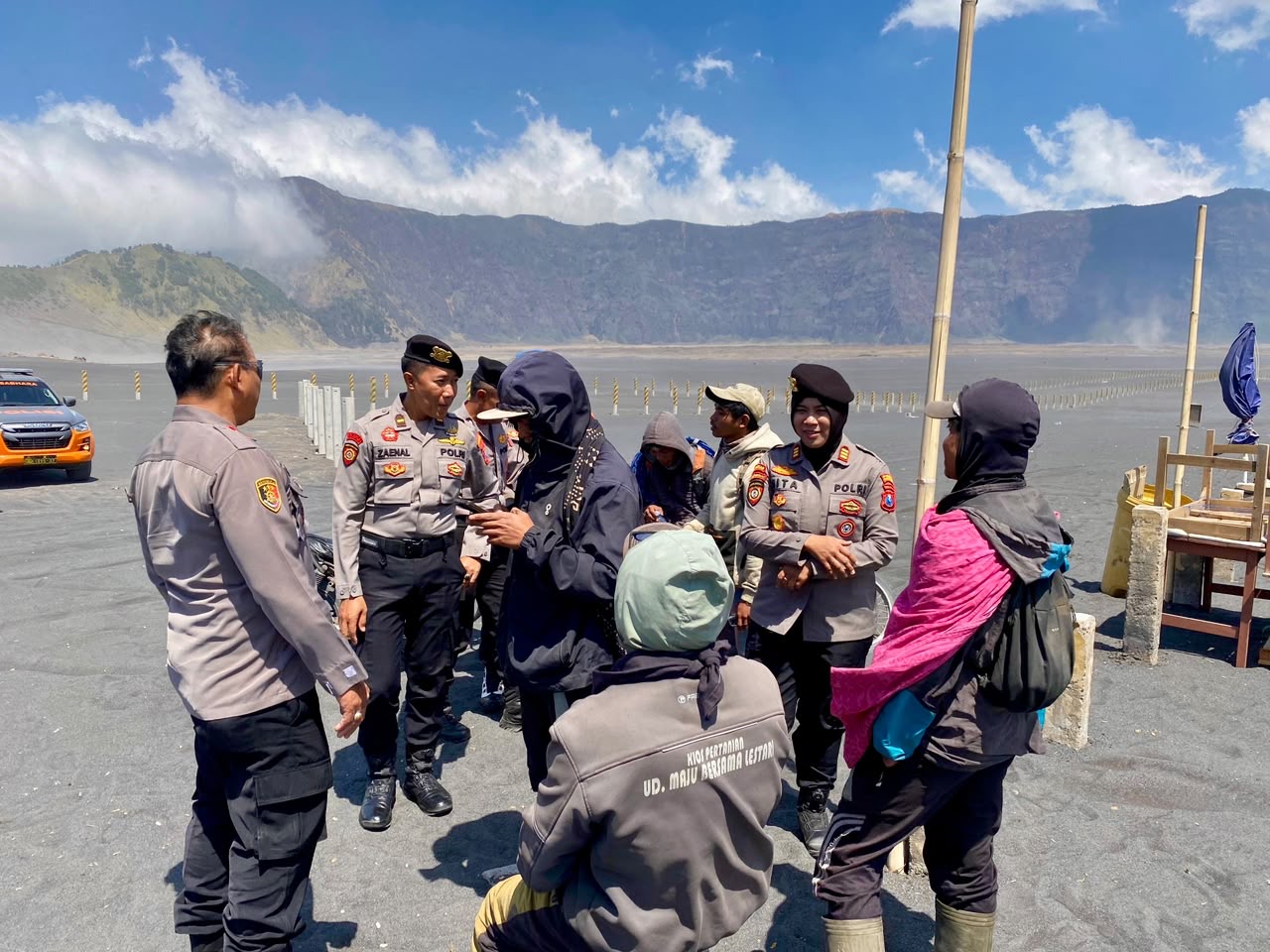
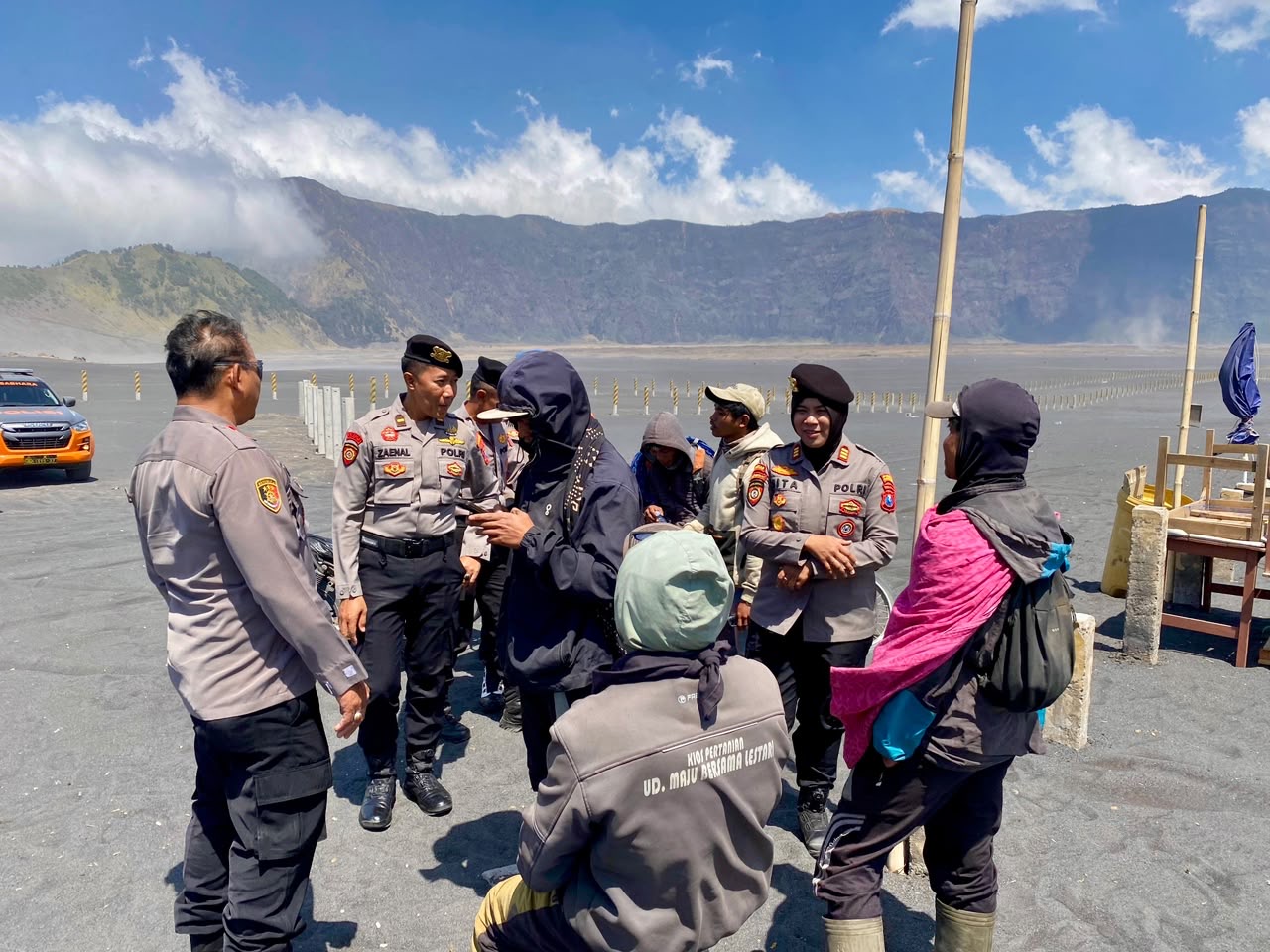
PROBOLINGGO – Kawasan wisata Gunung Bromo resmi dibuka kembali bagi wisatawan menyusul dikeluarkannya surat edaran dari Balai Besar Taman Nasional Bromo Tengger Semeru (BB TNBTS).
Merespons hal tersebut, Polres Probolinggo Polda Jatim melalui Satuan Pengamanan Objek Vital (Sat Pam Obvit) langsung menerjunkan personel untuk menggelar patroli intensif di area wisata.
Kapolres Probolinggo, AKBP Asmida Rizki Siregar, melalui Kasat Pam Obvit AKP Merdhania Pravita Shanty mengatakan, patroli ini difokuskan untuk memastikan situasi keamanan dan ketertiban masyarakat (kamtibmas) di sekitar destinasi internasional tersebut tetap kondusif.
“Langkah preventif ini diambil guna memberikan rasa aman serta kenyamanan ekstra bagi para pelancong yang mulai memadati kawasan Bromo,” ujar AKP Vita di Bromo, Selasa (22/9/2026).
Ia juga meminta seluruh pengunjung untuk selalu memprioritaskan keselamatan dan menaati regulasi yang berlaku selama berada di dalam kawasan konservasi.
“Dengan dibukanya kembali pintu masuk wisata Gunung Bromo, kami mengimbau seluruh wisatawan agar senantiasa mengutamakan keselamatan diri dan mematuhi ketentuan yang telah ditetapkan oleh pihak pengelola,” tambah AKP Vita.
Selain aspek keselamatan pribadi, perwira Polwan tersebut juga memberikan atensi khusus pada pencegahan Kebakaran Hutan dan Lahan (Karhutla) di area Bromo, mengingat vegetasi yang rentan, wisatawan dilarang keras memicu aktivitas yang melibatkan api.
“Kami mengingatkan agar wisatawan tidak menyalakan api unggun, membuang puntung rokok sembarangan, atau melakukan aktivitas lain yang dapat memicu kebakaran. Mari bersama-sama menjaga keamanan sekaligus kelestarian alam Gunung Bromo,” tegas AKP Vita.
Ia juga menekankan pentingnya menjaga kebersihan lingkungan dengan tidak meninggalkan sampah di area wisata. Pengunjung pun diminta untuk tetap memperbarui informasi mengenai kondisi cuaca lokal demi kelancaran aktivitas berlibur.
“Komitmen kami adalah memastikan wisatawan dapat menikmati keindahan panorama Bromo dengan aman, tertib, dan nyaman. Namun perlu diingat, menjaga keselamatan dan kelestarian ekosistem ini adalah tanggung jawab kita bersama,” pungkas AKP Vita.(*)
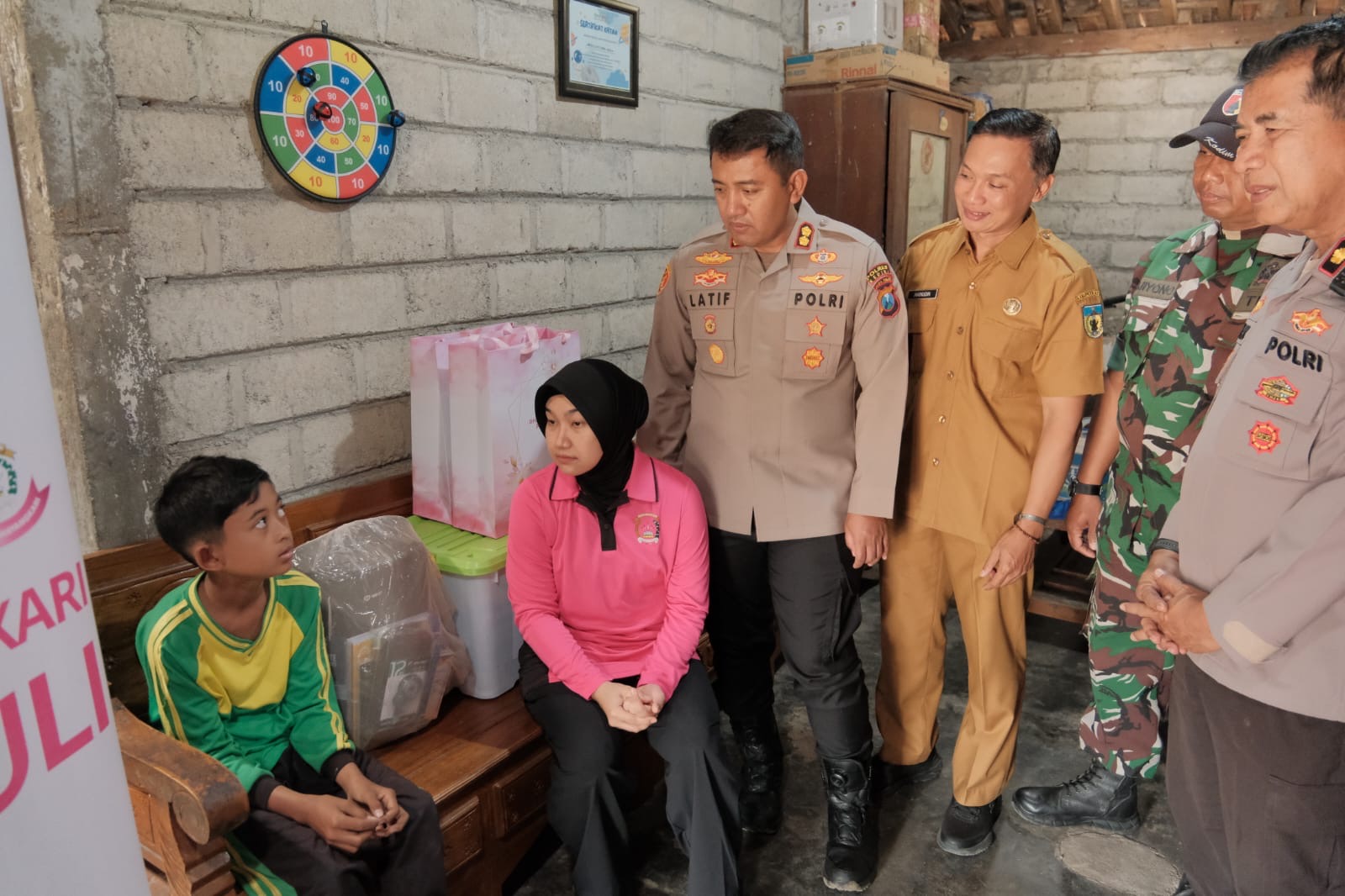
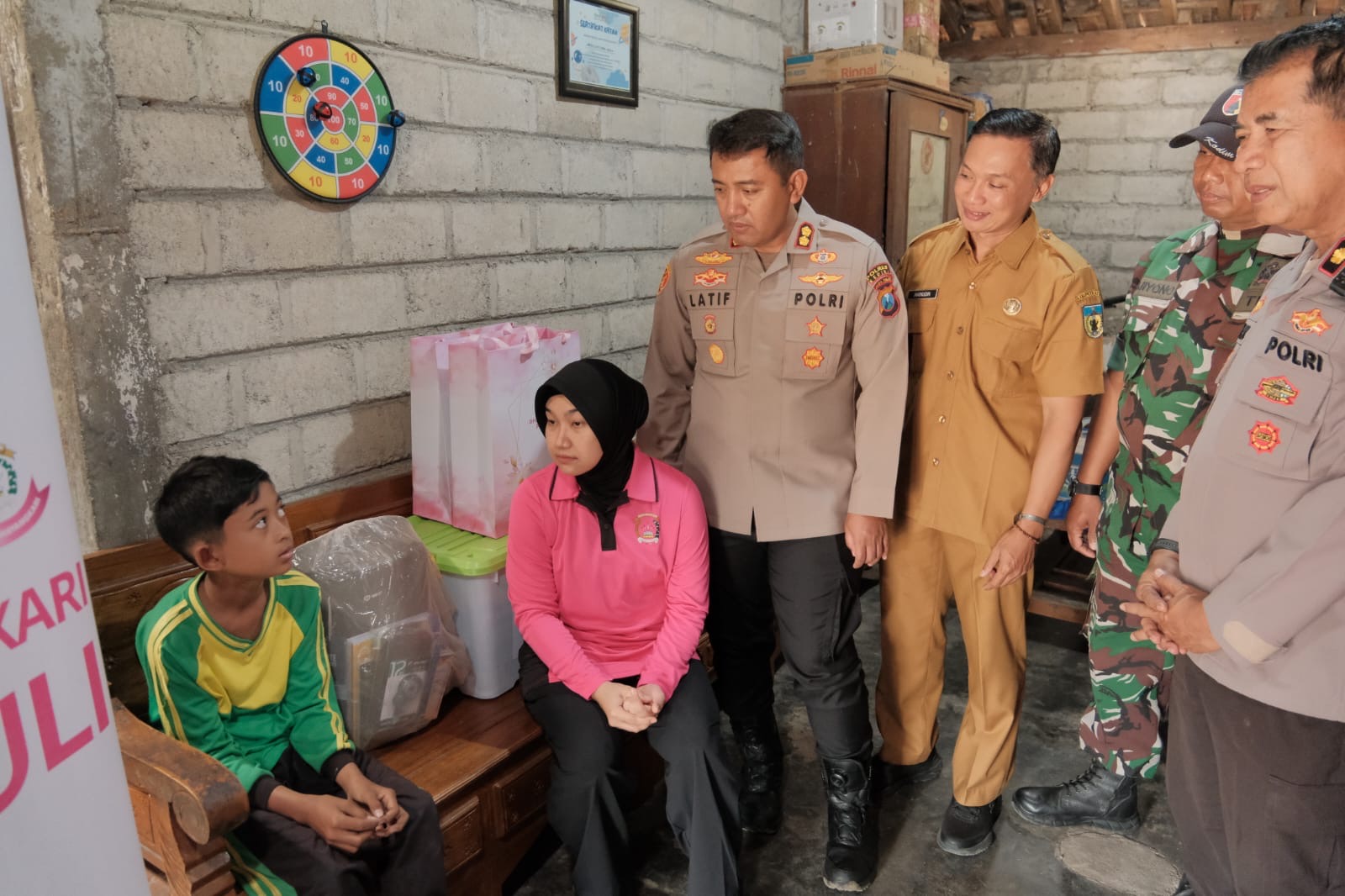
KEDIRI — Ketulusan hati Marfelino Dhuha Saputra (11), bocah kelas 5 SD yang berjuang merawat ibunya yang lumpuh seorang diri, menyentuh empati mendalam Kapolres Kediri, AKBP Dr. Muh. Wahyudin Latif, S.H., S.I.K., M.Si.
Didorong rasa kepedulian yang besar, AKBP Latif bersama Ketua Bhayangkari Cabang Kediri, Ny. Ika Latif, Wakapolres, dan Kasat Lantas, menyambangi kediaman Marfel di Desa Ngancar, Kecamatan Ngancar, Kabupaten Kediri, Selasa (22/9/2026).
Kehadiran Kapolres Kediri ini menjadi bukti nyata bahwa Polri tidak sekadar menegakkan hukum, tetapi juga hadir sebagai pengayom yang memiliki kepekaan sosial tinggi.
Dalam pertemuan penuh kehangatan tersebut, AKBP Latif dan istri meluangkan waktu untuk duduk bersama dan menguatkan mental Marfel.
Sebagai wujud kasih sayang dan dukungan nyata terhadap masa depan bocah tangguh tersebut, Kapolres Kediri menyerahkan tali asih berupa kebutuhan pokok harian serta perangkat elektronik untuk menunjang keperluan belajar Marfel.
Bantuan yang diserahkan langsung oleh Kapolres Kediri itu diterima Marfel dengan mata berkaca-kaca penuh haru.
Di hadapan perwira menengah Polri tersebut, Marfel mengungkapkan rasa terima kasihnya yang mendalam atas kehadiran dan perhatian besar yang ia terima.
“Terima kasih Bapak Kapolres. Semoga Bapak sehat selalu dan panjang umur,” tutur Marfel dengan polos.
Bagi AKBP Latif, mengetuk langsung pintu rumah warga yang sedang kesulitan adalah sebuah kewajiban moral.
Ia menegaskan bahwa Polri harus memiliki mata dan telinga yang peka untuk melihat langsung penderitaan masyarakat di garis bawah.
“Ketika ada masyarakat yang membutuhkan uluran tangan, Polri harus hadir dan melihat langsung kondisinya di lapangan. Apa yang kami berikan hari ini mungkin sederhana, tetapi yang paling prinsip adalah memastikan Marfel dan keluarganya tahu bahwa mereka tidak berjalan sendiri. Kami ada di sini bersama mereka,” ujar AKBP Latif dengan penuh empati.
Ia menambahkan bahwa aksi turun langsung ke masyarakat seperti ini merupakan ruh dari pelayanan kepolisian. Dengan membangun komunikasi yang menyentuh sisi kemanusiaan, Polres Kediri dapat mendeteksi persoalan sosial warga lebih cepat dan memberikan solusi yang tepat sasaran.
Kunjungan kasih dari jajaran Polres Kediri Polda Jatim ini tidak hanya memberikan bantuan materiil, melainkan juga menyuntikkan energi moril yang luar biasa bagi Marfel.
Lewat kepedulian tulus dari AKBP Wahyudin Latif, Polres Kediri Polda Jatim telah menghadirkan sosok Polisi yang hangat, humanis, dan selalu ada di tengah kesulitan warganya.(*)


BALI – Presiden International Association of Women Police (IAWP) Julia Jaeger menegaskan bahwa polisi wanita memiliki peran lebih luas dalam memberikan kontribusi bagi masyarakat dan lingkungan. Hal itu disampaikannya saat bersama para delegasi IAWP mengikuti penanaman mangrove di Mangrove Arboretum Park, Pedungan, Denpasar, Bali, Selasa (22/9/2026).
Kegiatan ini menjadi bagian dari rangkaian IAWP ke-63 sekaligus wujud kolaborasi IAWP dan Polri bersama SeaSoldier dalam mendukung keberlanjutan lingkungan serta perlindungan ekosistem pesisir Bali.
Kegiatan ini dihadiri Ketua Pelaksana IAWP Indonesia Brigjen Pol. Nurul Azizah, Presiden IAWP Julia Jaeger, perwakilan Bhayangkari Daerah Bali, para relawan, dan Mangrove Rangers.
“Ini adalah kesempatan untuk datang dan memberikan sesuatu setelah konferensi luar biasa yang kami selenggarakan di sini. Ini merupakan bagian dari legasi IAWP untuk Bali dan Indonesia,” ujar Julia.
Julia mengapresiasi antusiasme para delegasi yang ingin terlibat langsung dalam kegiatan tersebut. Menurutnya, semangat itu menunjukkan bahwa kerja sama dan kepedulian Polwan tidak berhenti pada forum kepolisian, tetapi dapat diwujudkan melalui aksi nyata bersama.
Walaupun para delegasi mungkin tidak kembali ke Bali untuk melihat mangrove yang mereka tanam tumbuh besar, Julia mengatakan mereka tetap ingin meninggalkan kontribusi bagi Indonesia.
“Mereka tahu bahwa mungkin mereka tidak akan melihat mangrove yang mereka tanam tumbuh seperti ini lagi, tetapi mereka tetap ingin datang dan memberikan sesuatu kembali kepada Indonesia,” tuturnya.
Julia menegaskan, kepedulian terhadap lingkungan merupakan bagian dari semangat pengabdian polisi wanita di berbagai negara.
“Kami bukan hanya polisi wanita, tetapi kami juga merupakan penjaga alam dan pemerhati lingkungan,” tegas Julia.
Karo Penmas Divhumas Polri Brigjen Pol. Trunoyudo Wisnu Andiko dalam keterangannya, Selasa (22/9/2026), turut mengapresiasi kolaborasi yang terbangun dalam kegiatan tersebut. Menurutnya, keterlibatan para delegasi IAWP bersama Polri dan SeaSoldier menunjukkan bahwa kerja sama kepolisian dapat diwujudkan melalui aksi nyata yang memberikan manfaat bagi masyarakat dan lingkungan.
“Polri mengapresiasi semangat dan kepedulian para delegasi IAWP yang turut berkontribusi dalam menjaga lingkungan. Kolaborasi ini menjadi bagian dari semangat bersama untuk memberikan manfaat nyata dan berkelanjutan bagi Indonesia,” ujar Trunoyudo.
Dalam kolaborasi Polri bersama SeaSoldier, sebanyak 250 mangrove ditanam secara serentak pada Selasa (22/9/2026), dari target keseluruhan 1.000 mangrove yang akan ditanam secara bertahap di kawasan Mangrove Arboretum Park.
Program tersebut tidak berhenti pada penanaman. Polri dan SeaSoldier akan mengupayakan untuk melanjutkan dengan monitoring serta pemeliharaan selama satu tahun untuk memastikan mangrove yang telah ditanam terus terawat.
Melalui kegiatan ini, Polri bersama IAWP dan para Polwan dari berbagai negara memperkuat semangat kolaborasi yang tidak hanya diwujudkan melalui pertukaran pengetahuan kepolisian, tetapi juga melalui kepedulian terhadap lingkungan untuk memberikan kontribusi nyata bagi Indonesia.
-
 Berita7 hari ago
Sinergi TNI-Polri, Satlantas Polres Pasuruan Kota Edukasi Prajurit tentang Keselamatan Berlalu Lintas
-
 Berita1 minggu ago
Satlantas Pasuruan Kota Pasang Banner di Jalur Rawan Laka, Pengendara Diingatkan Utamakan Keselamatan
-
 Berita7 hari ago
Atasi Krisis Air, Polres Bangkalan Distribusikan 48.000 Liter Air Bersih di Dua Kecamatan
-
 Polres1 minggu ago
Polres Malang Libatkan Tim Dokkes, Menjaga Napas Para Penjinak Api Karhutla di Lereng Bromo
-
Polsek1 minggu ago
Polres Pasuruan Kota Dukung Ketahanan Pangan, Bhabinkamtibmas Dampingi Petani Jagung di Desa Tidu
-
 Berita1 minggu ago
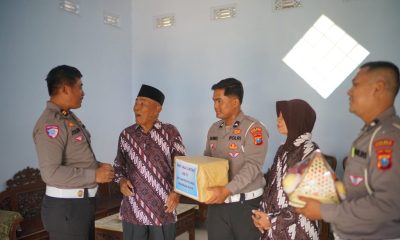
HUT Lantas ke-71, Satlantas Polres Pasuruan Kota Sambangi Purnawirawan IPTU Abadi
-
 Polres6 hari ago
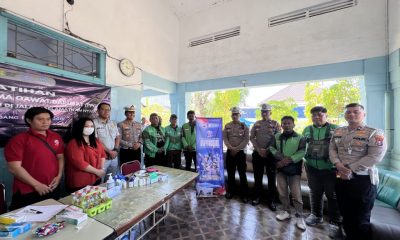
Satlantas Polres Pasuruan Kota Gandeng Komunitas Ojol dalam Bakti Kesehatan HUT Lalu Lintas ke-71
-
 Berita7 hari ago
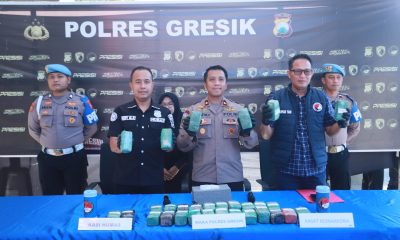
Polres Gresik Sita 10,8 Kg Ganja di Gudang Ekspedisi