
Berita
Polres Probolinggo Amankan Tujuh Tersangka Curas dan Curanmor

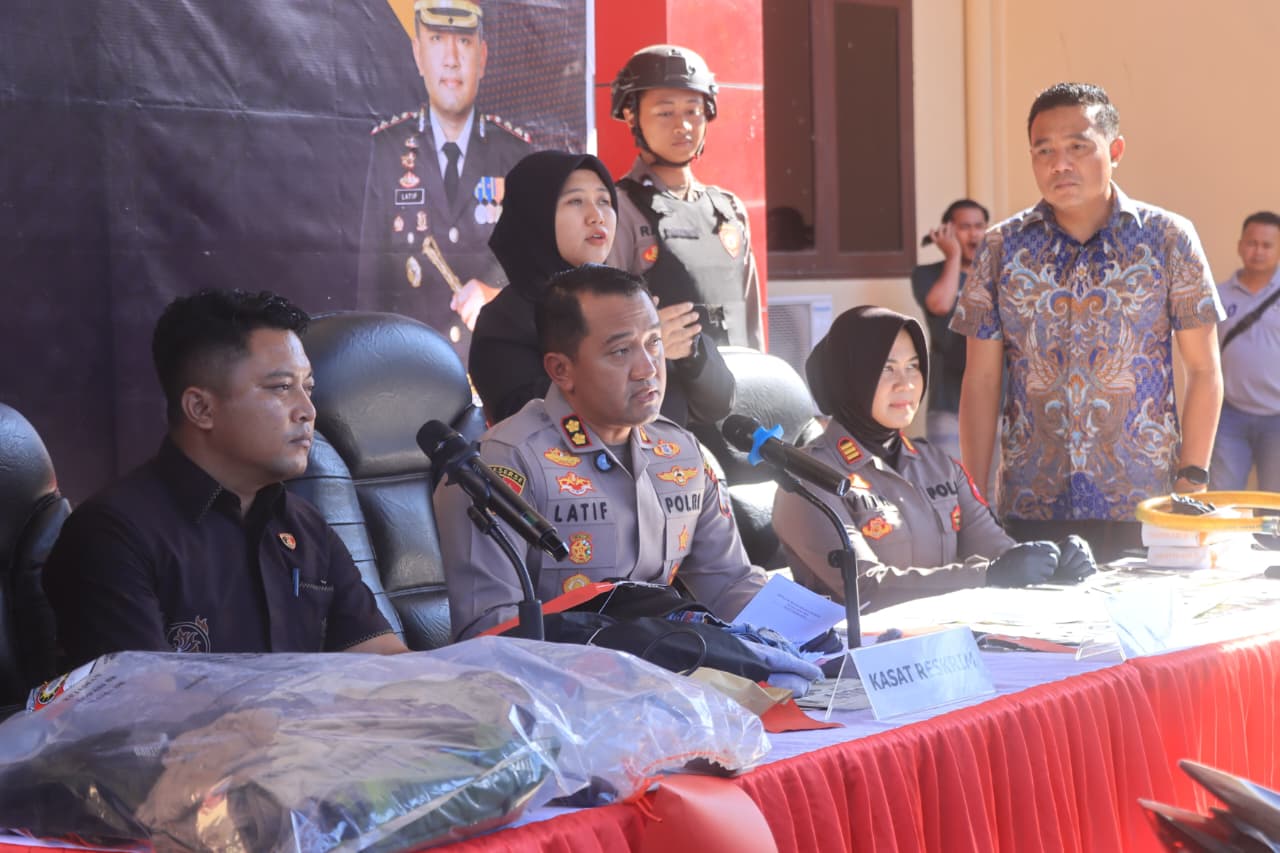
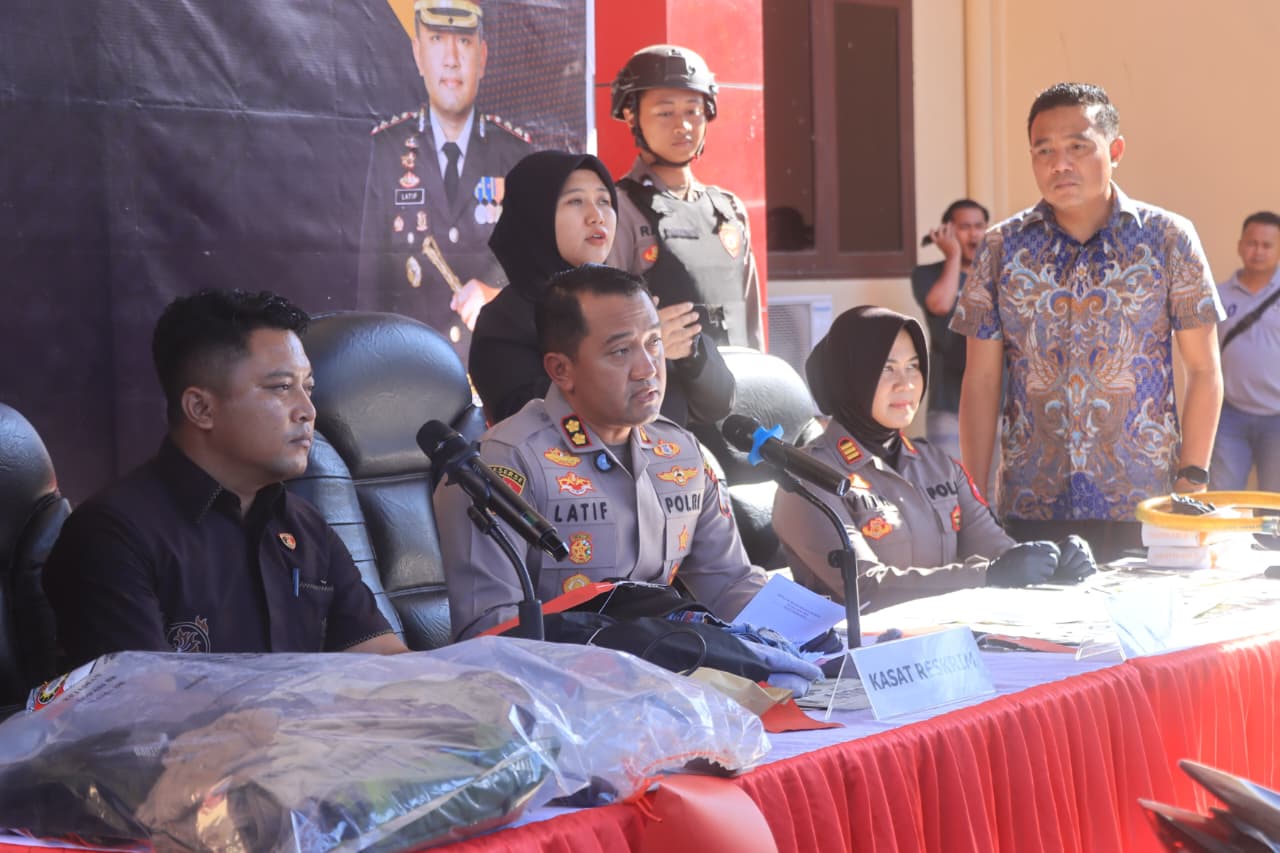
PROBOLINGGO – Polres Probolinggo Polda Jawa Timur berhasil mengamankan Tujuh orang pelaku kejahatan jalanan yang terlibat dalam kasus pencurian dengan kekerasan (curas) dan pencurian kendaraan bermotor (curanmor).
Penangkapan ini merupakan bagian dari upaya intensif kepolisian dalam menjaga keamanan dan ketertiban masyarakat di wilayah hukumnya.
Kapolres Probolinggo AKBP M. Wahyudin Latif menyampaikan bahwa ketujuh pelaku ditangkap di lokasi berbeda, setelah pihak kepolisian melakukan serangkaian penyelidikan berdasarkan laporan masyarakat.
“Pengungkapan kasus ini merupakan komitmen kami hadir di tengah masyarakat dalam menjaga keamanan wilayah,” ujar AKBP Latif, Sabtu (25/4/26).
Kapolres Probolinggo menegaskan, pihaknya tidak akan mentolerir segala bentuk tindak kejahatan, khususnya curas dan curanmor yang sangat meresahkan masyarakat.
Dari tangan para pelaku, Polres Probolinggo Polda Jatim berhasil mengamankan sejumlah barang bukti, di antaranya sepeda motor hasil curian, senjata tajam, serta alat yang digunakan untuk melancarkan aksi kejahatan.
“Ini adalah bentuk komitmen kami dalam memberantas segala bentuk tindak kriminal, khususnya curas dan curanmor yang meresahkan masyarakat,” kata AKBP Latif.
Berdasarkan hasil pemeriksaan sementara, para pelaku diketahui telah beraksi di beberapa titik rawan dengan modus yang beragam, mulai dari merampas barang korban di jalan hingga mencuri kendaraan yang diparkir di tempat umum.
“Kami masih mendalami kemungkinan keterlibatan pelaku dalam jaringan kejahatan yang lebih luas,” tambah AKBP Latif.
Dari keberhasilan pengungkapan kasus tersebut, Polres Probolinggo juga berhasil mengamankan dua unit kendaraan dari tersangka, kemudian dikembalikan kepada pemiliknya yang salah satunya adalah pengemudi ojek online.
“Satu unit motor diketahui milik salah seorang karyawan minimarket dan satu lagi milik pengemudi ojek online,” terang AKBP Latif.
Kapolres Probolinggo menegaskan, pengembalian barang bukti ini menjadi bentuk nyata kehadiran negara dalam memberikan keadilan bagi masyarakat yang menjadi korban tindak kejahatan.
“Kami berupaya semaksimal mungkin tidak hanya menangkap pelaku, tetapi juga mengembalikan hak-hak korban. Ini adalah komitmen kami untuk memberikan rasa aman dan keadilan kepada masyarakat,”ungkap AKBP Latif.
Masyarakat diimbau untuk tetap waspada dan segera melaporkan kepada pihak berwajib jika mengetahui adanya aktivitas mencurigakan.
“Kami akan terus meningkatkan patroli serta operasi penindakan guna menekan angka kriminalitas,” pungkas AKBP Latif.
Dengan keberhasilan pengungkapan kasus ini, Polres Probolinggo berharap dapat memberikan rasa aman sekaligus efek jera bagi para pelaku kejahatan lainnya.
Ketujuh tersangka yang sudah diamankan, saat ini sedang menjalani proses hukum untuk mempertanggungjawabkan perbuatannya.(*)
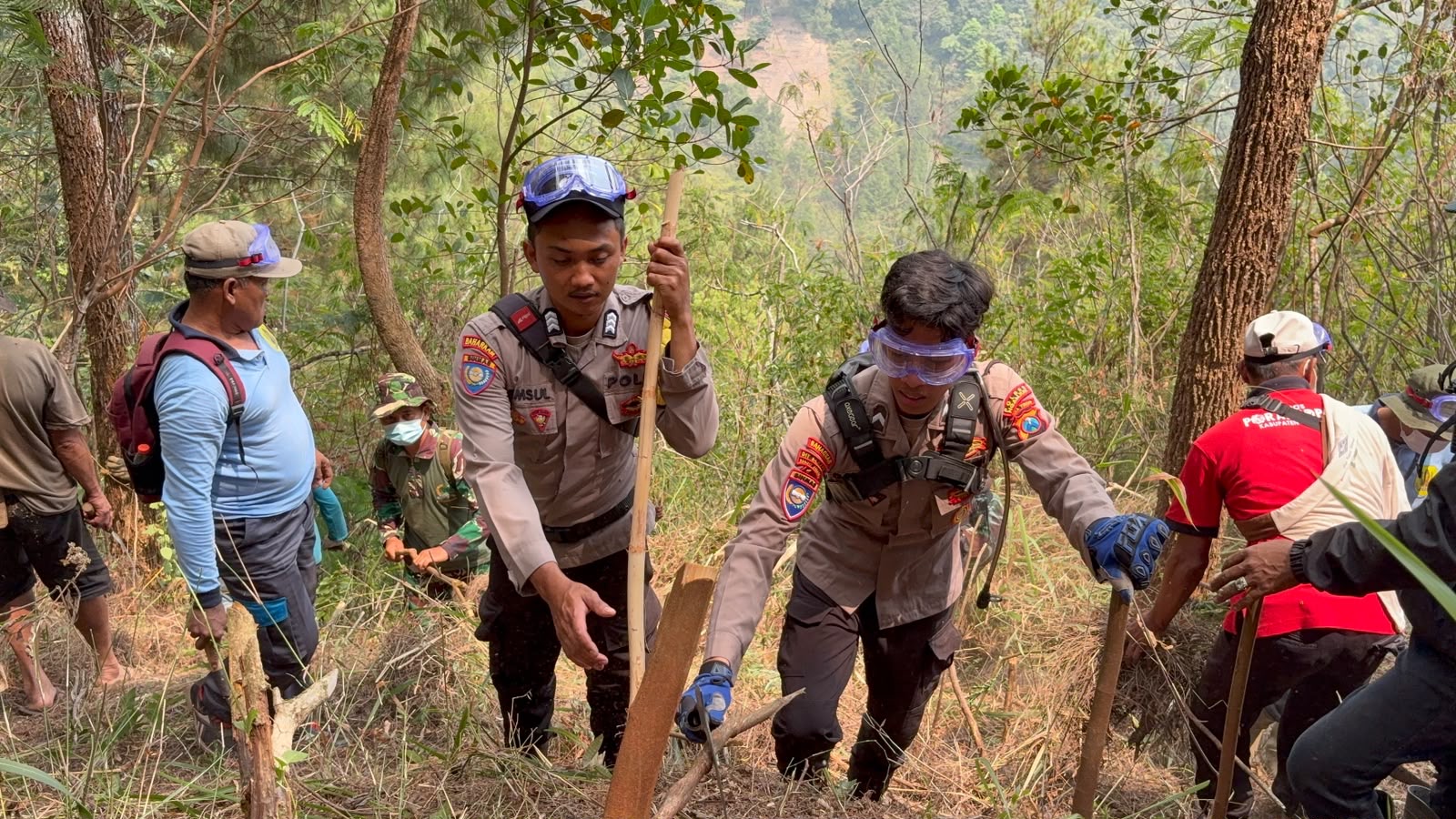
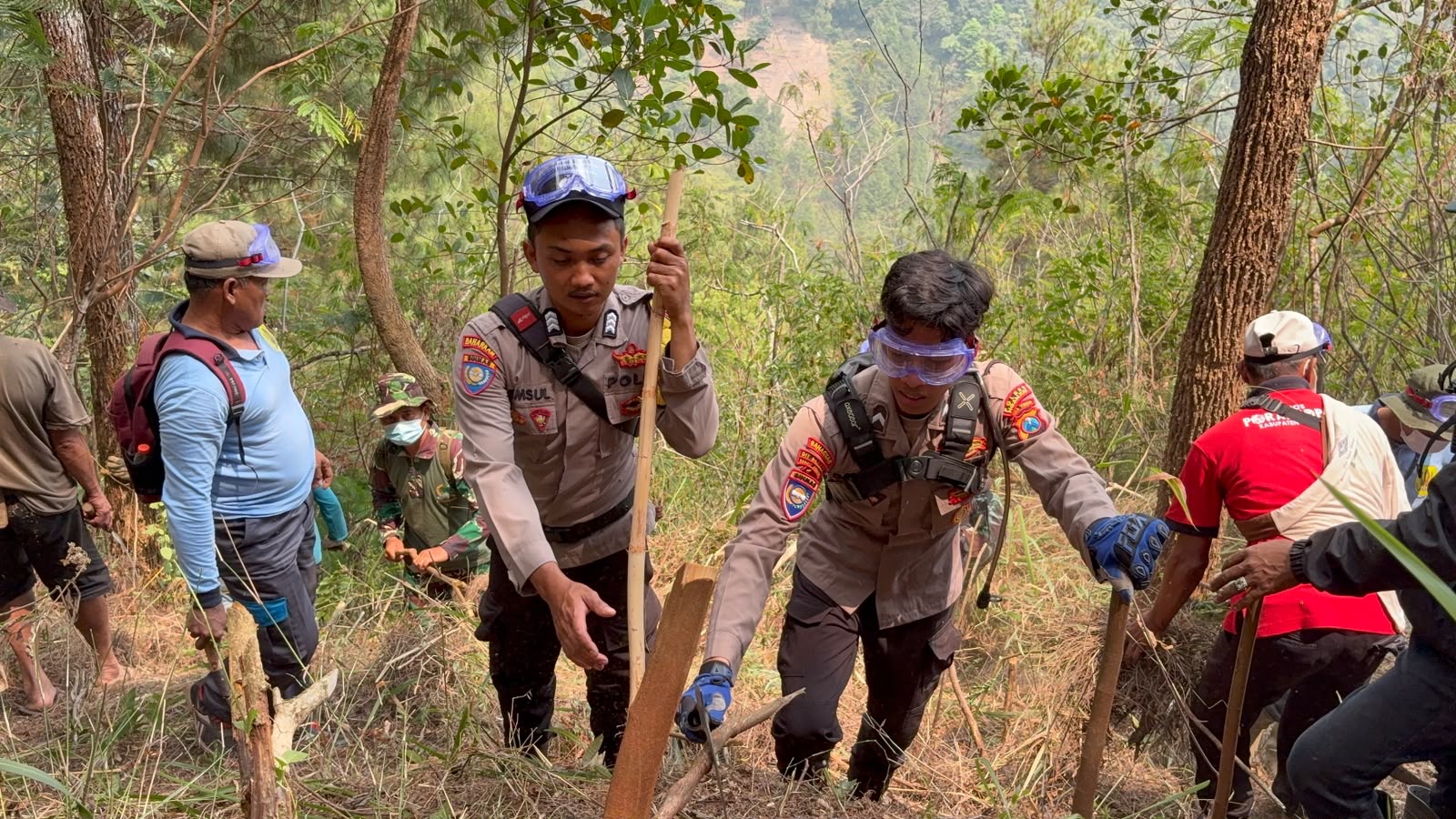
NGANJUK – Polres Nganjuk Polda Jawa Timur bergerak cepat mengambil peran sentral dalam penanggulangan kebakaran hutan dan lahan (karhutla) yang melanda kawasan lereng Gunung Wilis. Kebakaran tersebut tepatnya terjadi di Desa Ngliman, Kecamatan Sawahan, Kabupaten Nganjuk.
Guna mengendalikan amukan si jago merah, Polres Nganjuk Polda Jatim mengerahkan personel terbaiknya untuk bergabung dalam tim berkekuatan 400 personel gabungan. Tim ini terdiri dari instansi terkait serta relawan dan masyarakat yang telah berjibaku sejak Jumat (18/9/2026) yang lalu.
Aksi tanggap darurat ini diawali dengan apel kesiapan di Balai Desa Ngliman pada pukul 07.30 WIB untuk mengonsolidasikan strategi pemadaman di lapangan.
Kapolres Nganjuk, AKBP Suria Miftah Irawan, S.H., S.I.K., M.I.K., hadir langsung di lokasi bersama jajaran Forkopimda. Di antaranya Bupati Nganjuk Dr. Drs. H. Marhaen Djumadi, S.E., S.H., M.M., Wakil Bupati Trihandy Cahyo Saputro, S.T., serta Dandim 0810/Nganjuk Letkol Arh M. Taufan Yudha Bhakti, S.I.P., S.T., untuk memimpin langsung jalannya pemadaman.
AKBP Suria Miftah Irawan menegaskan bahwa kehadiran kepolisian bukan sekadar untuk memadamkan api, melainkan guna memastikan keselamatan jiwa dan meminimalkan dampak kerusakan lingkungan secara taktis.
“Keselamatan personel dan warga adalah prioritas utama yang tidak bisa ditawar,” tegas AKBP Suria usai turun dari lokasi penyisiran pada Minggu (20/9/2026).
Selain melakukan pemadaman secara langsung, ratusan petugas gabungan juga membuat ilaran atau penyekatan alur api.
“Langkah ini krusial agar kebakaran tidak meluas ke area vegetasi lain, terutama dengan kondisi angin kencang di kawasan hutan yang sangat fluktuatif,” lanjut AKBP Suria.
Untuk mengefektifkan pergerakan di medan yang berat, Polres Nganjuk Polda Jatim mengawal pembagian tim ke dalam empat ploting strategis yang menjadi episentrum penanganan. Keempat titik tersebut meliputi wilayah Ngangkrok, Nunut, Candi Laras, dan Lungur Cilik.
Dengan dibekali peralatan pemadaman manual dan logistik yang matang, personel kepolisian bersama tim gabungan langsung menembus jalur terjal menuju titik api.
“Alhamdulillah, langkah masif tim gabungan ini mulai menunjukkan hasil positif,” ungkap AKBP Suria.
Berdasarkan data pemantauan udara menggunakan drone, pada Minggu (20/9/2026) pukul 12.00 hingga 14.00 WIB menunjukkan Hutan Sadepok dan Hutan Ondorante, khususnya petak 23C dan 18C, sudah tidak ditemukan titik api maupun kepulan asap.
Sementara di kawasan Hutan Banyu Selawe petak 25, sebelumnya titik api diketahui membakar vegetasi berupa daun dan rumpun bambu yang merupakan rembetan dari titik kebakaran sebelumnya juga berangsur menghilang.
Begitu pula Ketiga wilayah terdampak yaitu di RPH Gedangklutuk, petak 24 yang memiliki luasan sekitar 7 hektare, petak 23C sekitar 5 hektare dan petak 18C sekitar 5 hektare, juga telah dinyatakan padam pada pukul 10.17 WIB, Minggu (20/9/2026).
Meski demikian, menyikapi dinamika cuaca ekstrem saat ini, Kapolres Nganjuk menginstruksikan seluruh jajarannya, termasuk Bhabinkamtibmas di sekitar lereng gunung, untuk terus meningkatkan kesiapsiagaan dan memperketat pengawasan aktivitas warga.
“Kami mengimbau masyarakat dan para pendaki untuk menahan diri dan tidak mendekati lokasi kebakaran demi keselamatan bersama,” imbau AKBP Suria.
Ia juga meminta warga yang melihat adanya titik api baru atau kepulan asap mencurigakan untuk segera melapor ke posko terdekat atau menghubungi Call Center 110 (bebas pulsa) agar bisa segera ditindaklanjuti. (*)
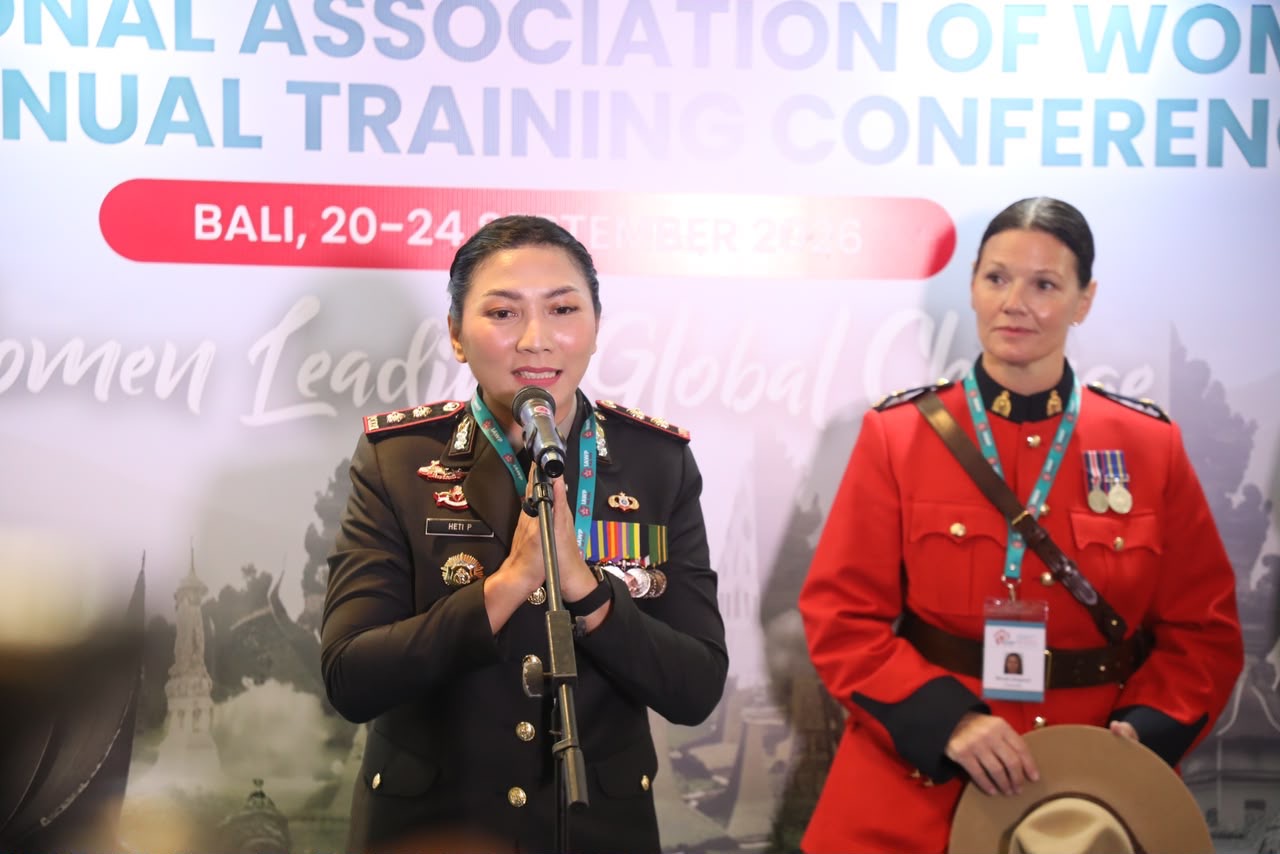
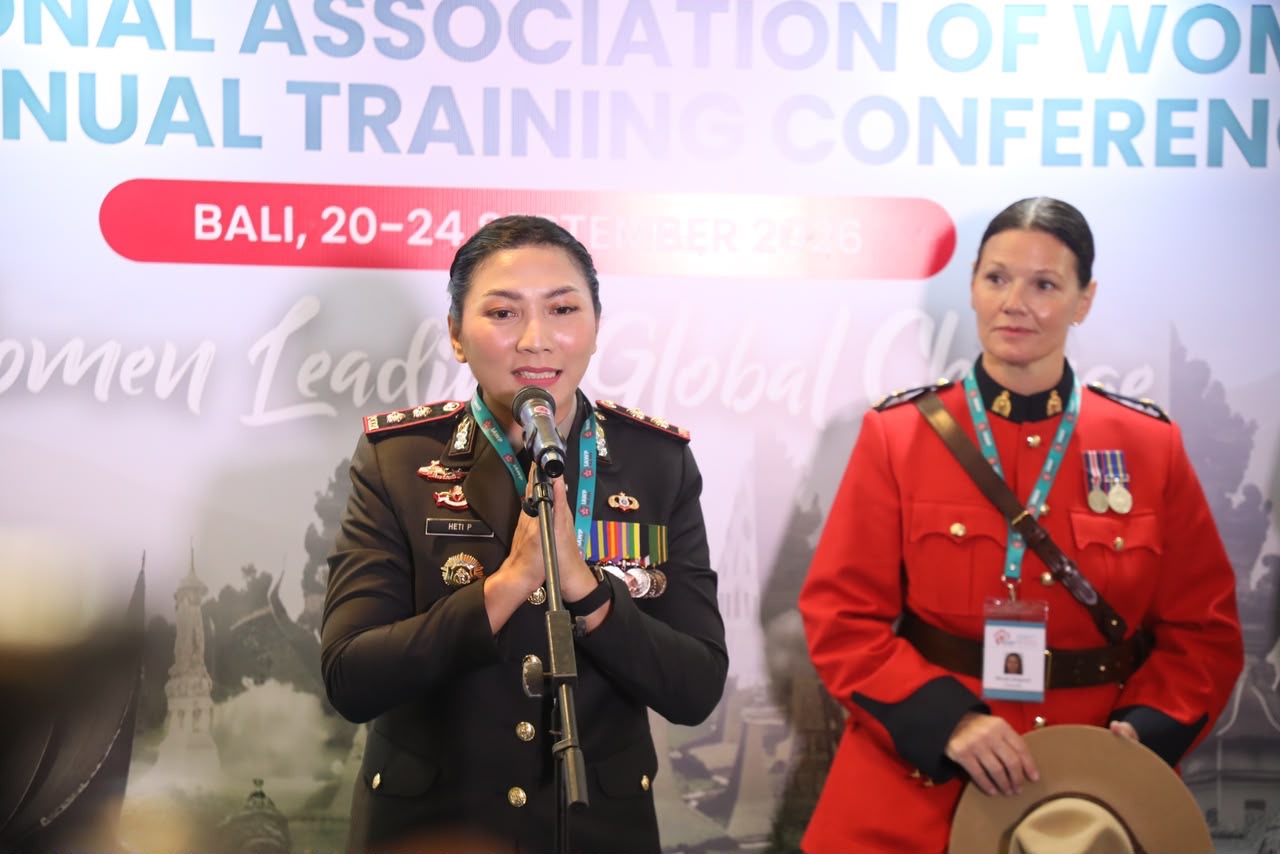
JAKARTA – Polri mengapresiasi prestasi AKBP Hety Padmawati yang meraih penghargaan kategori Leadership dalam ajang International Association of Women Police (IAWP) Training Conference 2026 di The Westin Resort Nusa Dua, Bali, Minggu (20/9/2026).
Penghargaan tersebut diberikan atas kontribusi dan dedikasi AKBP Hety dalam menjalankan tugas kepolisian, termasuk saat mengemban amanah sebagai Kapolres Lampung Timur. Saat ini, AKBP Hety menjabat sebagai Wadir Reskrimum Polda Lampung.
Karo Penmas Divhumas Polri Brigjen Pol Trunoyudo Wisnu Andiko mengatakan penghargaan tersebut menjadi bentuk pengakuan terhadap kapasitas dan kepemimpinan Polwan Indonesia di tingkat internasional.
“Polri mengapresiasi prestasi AKBP Hety Padmawati yang berhasil meraih penghargaan Leadership dalam ajang IAWP 2026. Penghargaan ini menunjukkan bahwa Polwan Indonesia memiliki kapasitas, kompetensi, dan kepemimpinan yang dapat berkontribusi tidak hanya di tingkat nasional, tetapi juga di forum internasional,” kata Trunoyudo dalam keterangannya di Jakarta, Minggu (20/9/2026).
Menurutnya, capaian tersebut juga menjadi motivasi bagi Polwan lainnya untuk terus meningkatkan kemampuan, profesionalisme, dan kualitas kepemimpinan dalam menjalankan tugas sebagai anggota Polri.
“Prestasi ini diharapkan menjadi inspirasi bagi seluruh Polwan untuk terus mengembangkan diri, meningkatkan kompetensi, dan mengambil peran dalam berbagai bidang penugasan di lingkungan Polri,” ujarnya.
AKBP Hety mengaku bangga dapat membawa nama Indonesia dan Polda Lampung dalam ajang internasional tersebut. Ia berharap penghargaan yang diraihnya dapat menunjukkan bahwa Polwan mampu bersaing dan berkontribusi dalam pelaksanaan tugas kepolisian.
“Saya bangga sekali mewakili Indonesia, khususnya Polda Lampung. Lewat penghargaan ini, saya ingin menunjukkan bahwa Polwan bisa bersaing bersama polisi laki-laki. Kita tidak hanya menjadi polisi, tetapi juga mampu menjalankan peran sebagai ibu rumah tangga dan seorang istri,” ujar AKBP Hety.
Ia juga menyampaikan apresiasi kepada seluruh jajaran Polwan, baik generasi muda maupun senior, yang telah memberikan dukungan dan bimbingan selama menjalankan tugas.
Secara khusus, AKBP Hety menyampaikan terima kasih kepada Kapolri yang dinilainya terus memberikan ruang dan perhatian bagi Polwan untuk berkembang serta mengambil peran dalam kepemimpinan di lingkungan Polri.
Trunoyudo menambahkan, capaian AKBP Hety sejalan dengan semangat IAWP 2026 yang mengusung tema “Women Leading Global Change”, sekaligus menjadi bagian dari upaya memperkuat peran dan kapasitas Polwan dalam pelaksanaan tugas kepolisian.
“Polri terus mendorong seluruh personel, termasuk Polwan, untuk memberikan kontribusi terbaik melalui profesionalisme, kompetensi, dan integritas dalam setiap pelaksanaan tugas,” pungkasnya.
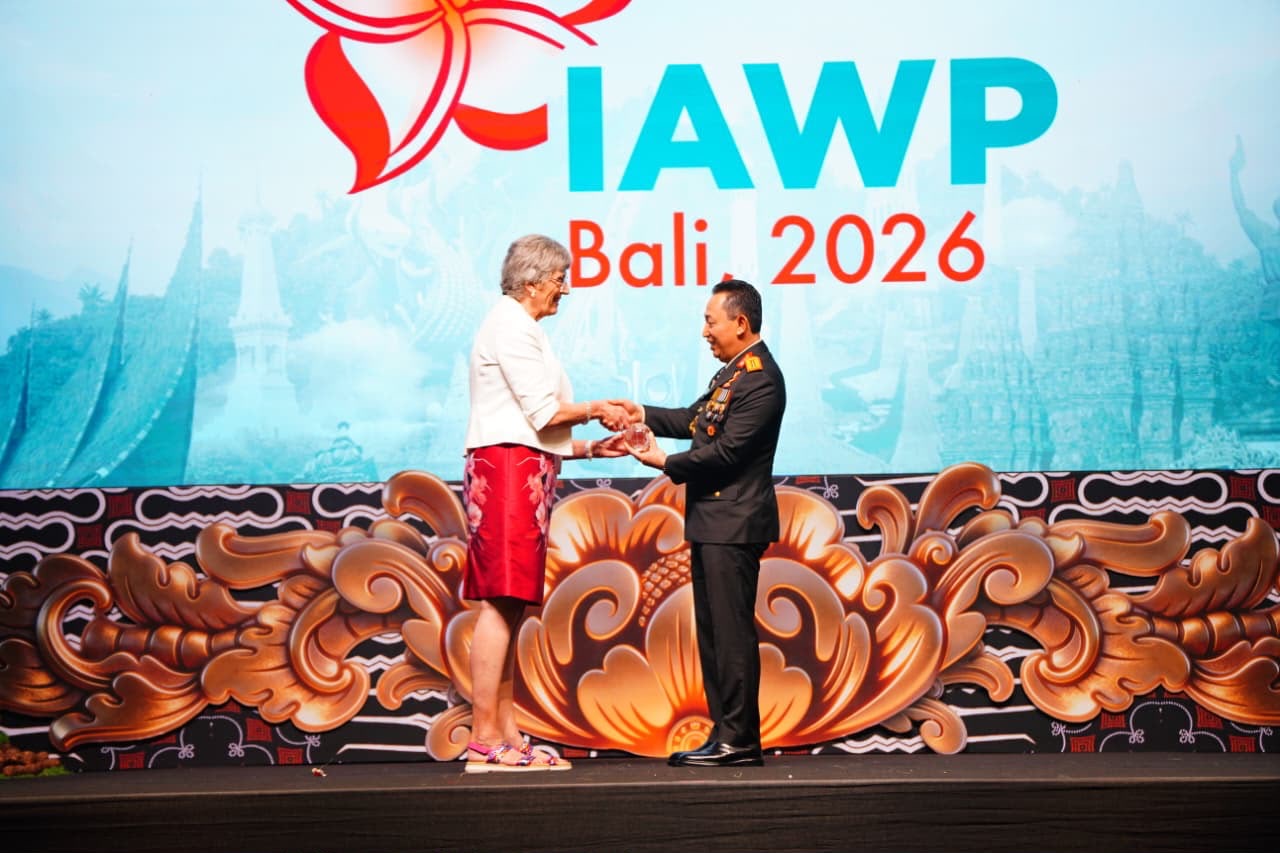
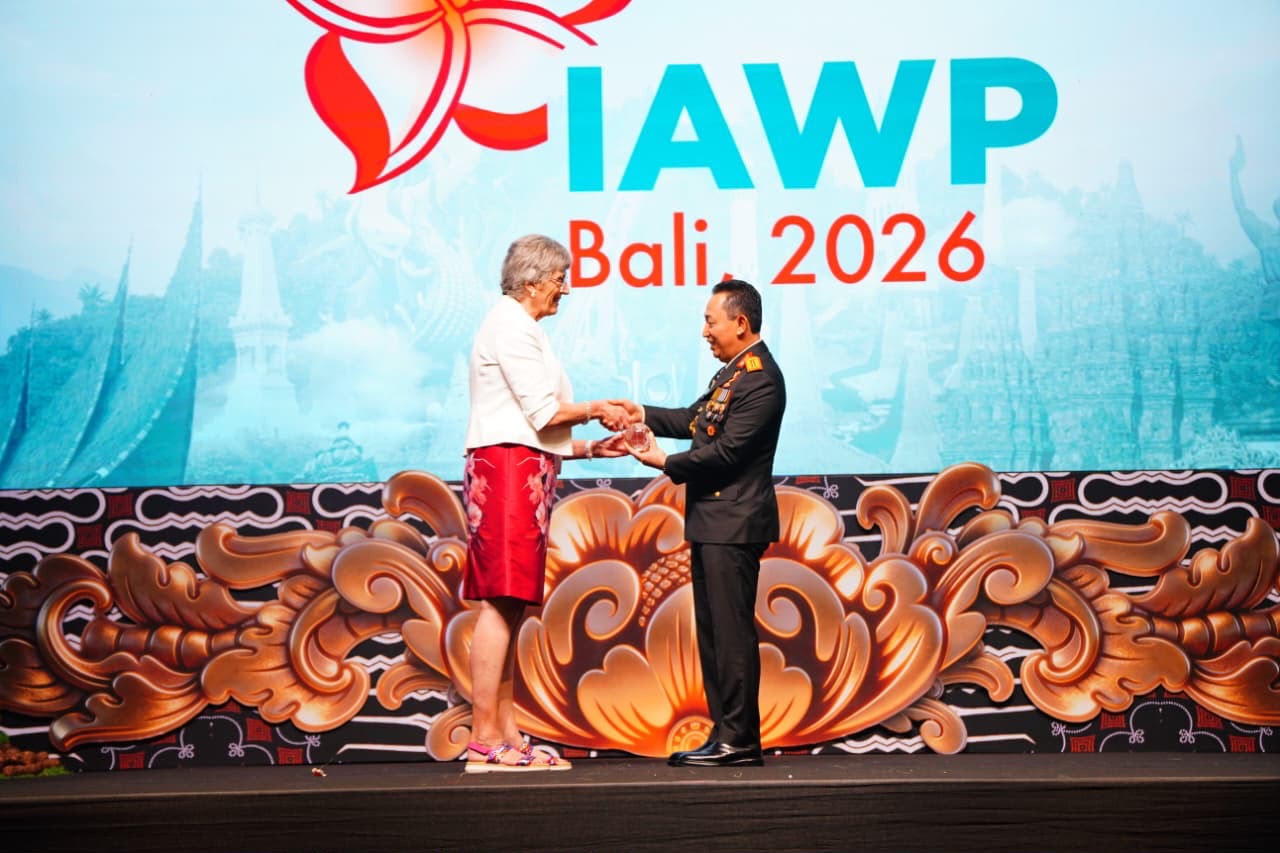
Badung – Kapolri menegaskan perempuan bukan sekadar menjadi bagian dari perubahan, tetapi juga memiliki peran untuk memimpin perubahan. Pesan tersebut menjadi salah satu semangat yang dibawa dalam The 63rd International Association of Women Police (IAWP) Annual Training Conference 2026 di Bali.
Hal itu disampaikan Kapolri saat membuka konferensi internasional tersebut, Minggu (20/9/2026). Tahun ini, IAWP mengangkat tema “Women Leading Global Change”.
Menurut Kapolri, tema tersebut menegaskan pentingnya partisipasi dan kepemimpinan perempuan di berbagai bidang.
“Women are not merely part of change but can also lead it,” kata Kapolri.
Kapolri mengatakan penguatan peran perempuan masih relevan di tengah tantangan kesetaraan gender yang dihadapi dunia. Dalam sambutannya, ia mengutip Global Gender Gap Report 2025 yang memperkirakan masih dibutuhkan sekitar 123 tahun untuk mencapai kesetaraan gender sepenuhnya.
Kondisi tersebut, menurut Kapolri, menunjukkan perlunya partisipasi dan kepemimpinan perempuan yang semakin kuat di berbagai bidang.
Semangat itu juga terus didorong di lingkungan kepolisian. Di Indonesia, Polwan telah bertugas sejak 1948 dan peran serta kontribusinya terus berkembang hingga saat ini. Dari lebih dari 450 ribu personel Polri, sekitar 6,2 persen atau 29 ribu di antaranya merupakan Polwan.
Kapolri juga menyinggung HeForShe Award yang diterimanya dari IAWP pada 2023. Penghargaan tersebut disebut bukan hanya sebagai sebuah kehormatan, tetapi juga pengingat atas tanggung jawab untuk terus mendorong kesetaraan dan memperluas kesempatan bagi Polwan untuk berkembang.
Komitmen tersebut turut diwujudkan melalui penyelenggaraan HeForShe Award setiap tahun sebagai bentuk penghargaan kepada Polwan yang menunjukkan prestasi.
Melalui IAWP 2026, Kapolri berharap polisi wanita dari berbagai negara dapat terus memperkuat kapasitas dan jejaring, sekaligus mengambil peran dalam menghadirkan perubahan yang bermakna.
Meski berasal dari negara, pengalaman, dan latar belakang yang berbeda, para polisi wanita memiliki semangat yang sama untuk membawa perubahan.
“Together, we empower women. Together, we strengthen policing. Together, we uphold peace. And together, we lead global change,” ujar Kapolri.
-
 Polres5 hari ago
Polres Malang Libatkan Tim Dokkes, Menjaga Napas Para Penjinak Api Karhutla di Lereng Bromo
-
 Berita4 hari ago
Sinergi TNI-Polri, Satlantas Polres Pasuruan Kota Edukasi Prajurit tentang Keselamatan Berlalu Lintas
-
 Berita4 hari ago
Atasi Krisis Air, Polres Bangkalan Distribusikan 48.000 Liter Air Bersih di Dua Kecamatan
-
 Berita4 hari ago
Polres Gresik Sita 10,8 Kg Ganja di Gudang Ekspedisi
-
Polsek6 hari ago
Polri Hadir, Bersama Masyarakat Ciptakan Lingkungan Aman dan Kondusif
-
Polsek5 hari ago
Polres Pasuruan Kota Dukung Ketahanan Pangan, Bhabinkamtibmas Dampingi Petani Jagung di Desa Tidu
-
 Polres6 hari ago
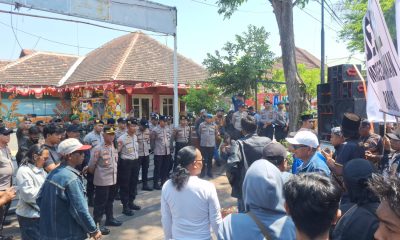
Kedepankan Pelayanan Humanis, Polres Pasuruan Kota Kawal Dan Amankan Aksi Damai Aliansi LSM Poros Tengah
-

 Polres1 minggu ago
Cegah Karhutla, Polres Ponorogo Gencarkan Edukasi dan Patroli Kawasan Hutan