
Berita
Polresta Malang Kota Siagakan 500 Personel Layanan Pengamankan Ibadah Jumat Agung

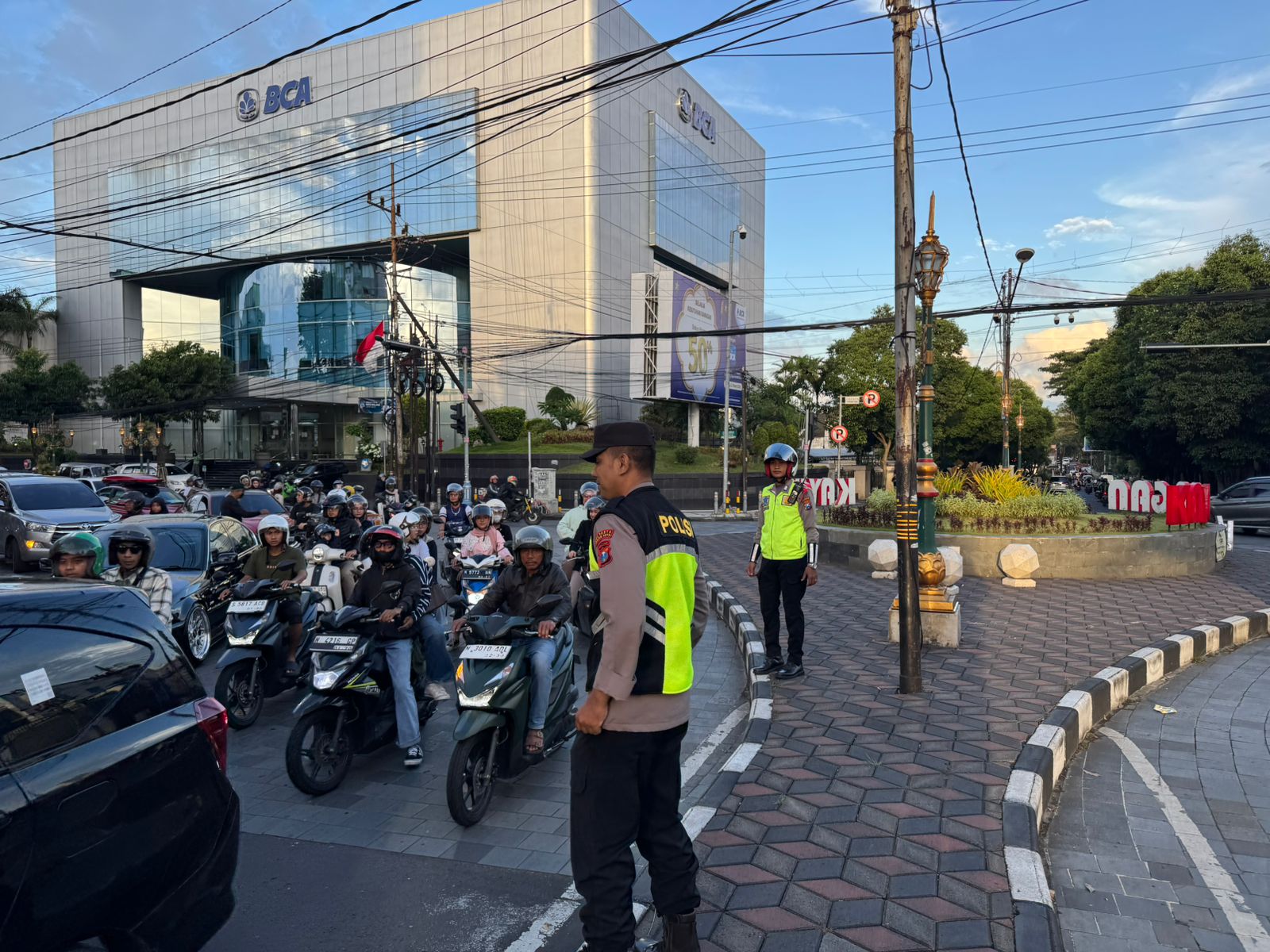

KOTA MALANG – Polresta Malang Kota Polda Jatim menyiagakan ratusan personel untuk layanan pengamanan rangkaian ibadah Jumat Agung hingga Hari Kebangkitan Yesus Kristus, sekaligus mengantisipasi lonjakan mobilitas selama libur panjang, Kamis, (03/04/2026).
Kabag Ops Polresta Malang Kota, Kompol Wiwin Rusli, mewakili Kapolresta Malang Kota Kombes Pol Putu Kholis Aryana, menegaskan bahwa sterilisasi bagian dari pelayanan maksimal Polri dalam menjaga kondusivitas wilayah.
“Kami ingin memastikan setiap umat dapat menjalankan ibadah dengan rasa aman. Ini adalah bagian dari komitmen kami untuk memaksimalkan pelayanan, menjaga kondusivitas,” tegas Kompol Wiwin.
Tidak hanya fokus pada pengamanan tempat ibadah, Polresta Malang Kota juga mengantisipasi potensi kepadatan arus lalu lintas selama long weekend yang berlangsung mulai Jumat hingga Minggu (03–06 April 2026).
Sebanyak 500 personel diterjunkan, termasuk Tim Pengurai lalu lintas yang disiagakan di berbagai titik strategis.
Tim tersebut ditempatkan di kawasan rawan kepadatan seperti pusat pertokoan, fasilitas umum, Alun-Alun Merdeka, kawasan heritage Jalan Basuki Rahmat, Kawasan Tertib Lalu Lintas (KTL), hingga jalur perbatasan Kota dan Kabupaten Malang, seperti Karanglo, Landungsari, dan Kacuk.
Tim urai bersifat feksibel, Pengamanan juga diperkuat di setiap persimpangan yang berpotensi mengalami peningkatan volume kendaraan.
“Tim pengurai kami siagakan untuk mencegah penumpukan kendaraan sekaligus memberikan rasa aman di titik-titik keramaian,” jelasnya.
Menurut Kompol Wiwin, strategi ini merupakan kelanjutan dari keberhasilan Operasi Ketupat Semeru yang sebelumnya mampu menekan angka kriminalitas dan kecelakaan lalu lintas di wilayah Kota Malang.
Pendekatan yang mengedepankan sinergi, soliditas, dan kehadiran anggota di lapangan dinilai efektif menciptakan Kota Malang kondusif.
Jika masyarakat menemui potensi gangguan kamtibmas, masyarakat diharapkan segera melapor ke layanan cepat Polri 110 ataupun Jogo Malang Presisi 0811-1272-000.
Melalui langkah terpadu ini, Polresta Malang Kota berharap masyarakat dapat merasakan langsung kehadiran Polri sebagai pelindung, pengayom, dan pelayan masyarakat, sekaligus memastikan seluruh rangkaian ibadah dan aktivitas liburan berlangsung aman, nyaman, serta penuh ketenangan. (*)
Berita
Police Go To School, Satlantas Polres Pasuruan Kota Edukasi Siswa SMKN 1 Pasuruan tentang Keselamatan Berkendara
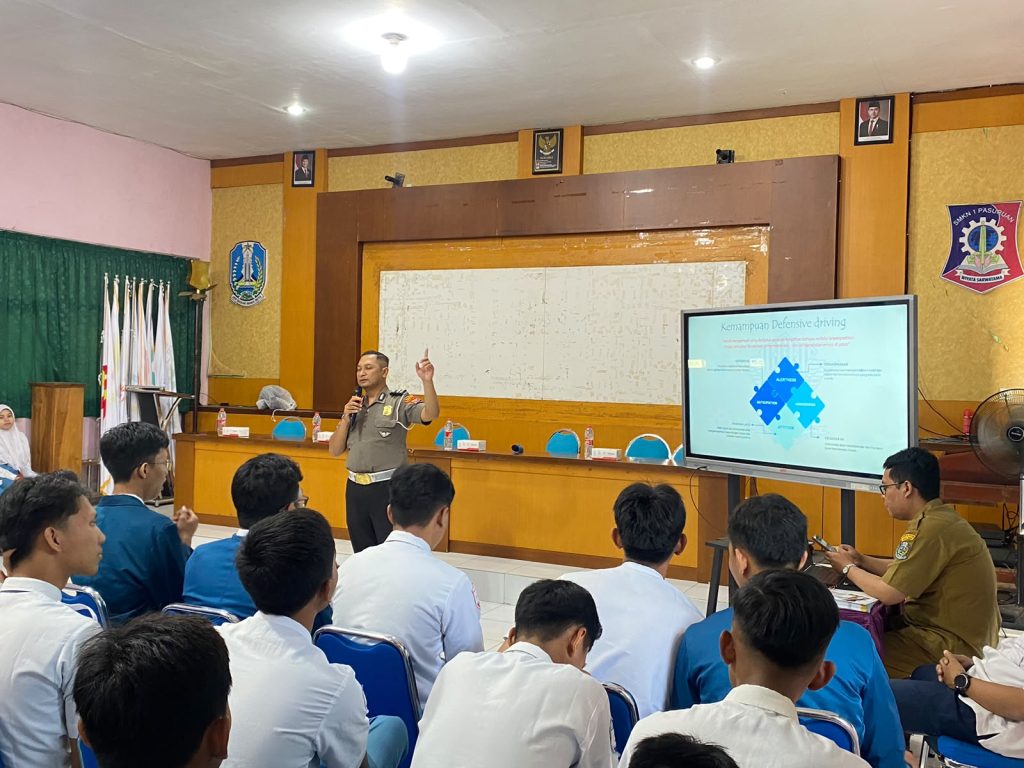
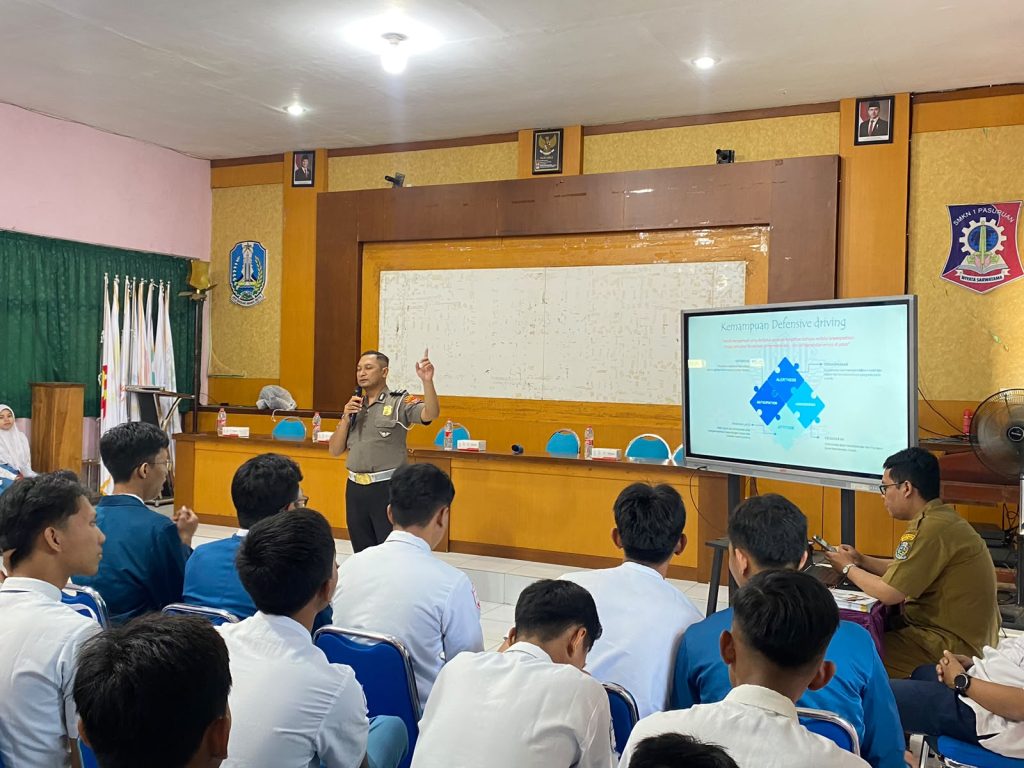
PASURUAN KOTA – Upaya meningkatkan kesadaran generasi muda dalam berlalu lintas terus dilakukan Satlantas Polres Pasuruan Kota. Melalui program Police Go To School, jajaran Satlantas menggelar road show dan sosialisasi keselamatan berkendara kepada siswa SMK Negeri 1 Pasuruan, Senin (21/9/2026) sekitar pukul 09.00 WIB.
Kegiatan yang berlangsung di lingkungan SMK Negeri 1 Pasuruan tersebut menjadi sarana edukasi bagi para pelajar untuk memahami pentingnya tertib berlalu lintas serta mengutamakan keselamatan saat berada di jalan raya.
Dalam kegiatan tersebut, para siswa diberikan pemahaman mengenai pentingnya mematuhi rambu dan marka jalan, menggunakan perlengkapan keselamatan, serta menghindari perilaku berkendara yang dapat membahayakan diri sendiri maupun pengguna jalan lainnya.
Kasatlantas Polres Pasuruan Kota AKP AMRULLAH SETIAWAN, S.T.K., S.I.K., mengatakan bahwa edukasi keselamatan berlalu lintas perlu diberikan sejak usia sekolah sebagai langkah membangun budaya tertib berlalu lintas.
“Kami ingin menanamkan kesadaran kepada para pelajar bahwa keselamatan adalah hal utama dalam berlalu lintas. Melalui Police Go To School, kami berharap para siswa dapat menjadi pelopor keselamatan berlalu lintas di lingkungan sekolah maupun masyarakat,” ujar AKP AMRULLAH SETIAWAN.
Ia menambahkan, pelajar merupakan generasi penerus yang diharapkan mampu menjadi contoh dalam menerapkan budaya tertib dan aman berlalu lintas.
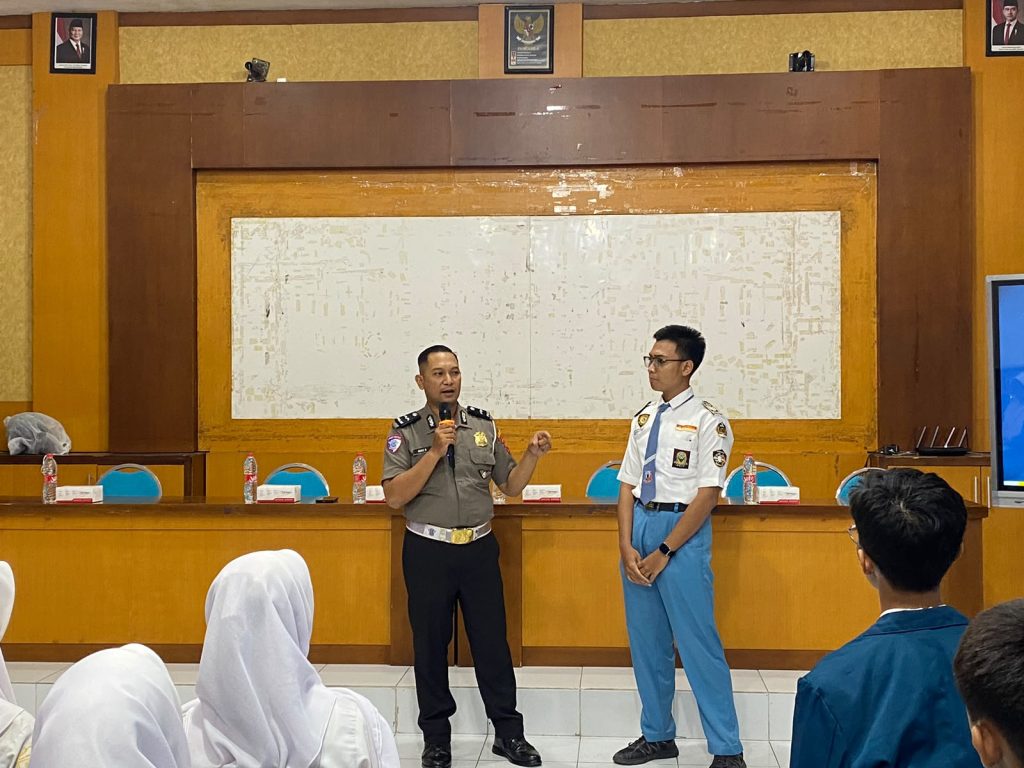
Salah seorang siswa SMKN 1 Pasuruan mengapresiasi kegiatan tersebut. Menurutnya, materi yang disampaikan memberikan pemahaman yang lebih nyata mengenai risiko serta pentingnya berhati-hati ketika berkendara.
“Kegiatan ini bermanfaat bagi kami karena mengingatkan pentingnya mematuhi aturan lalu lintas dan selalu mengutamakan keselamatan saat berkendara,” ungkapnya.
Melalui kegiatan Police Go To School ini, Satlantas Polres Pasuruan Kota berharap pesan keselamatan berlalu lintas dapat terus ditanamkan kepada pelajar, sehingga tercipta generasi muda yang disiplin, peduli keselamatan, dan menjadi pelopor tertib berlalu lintas.

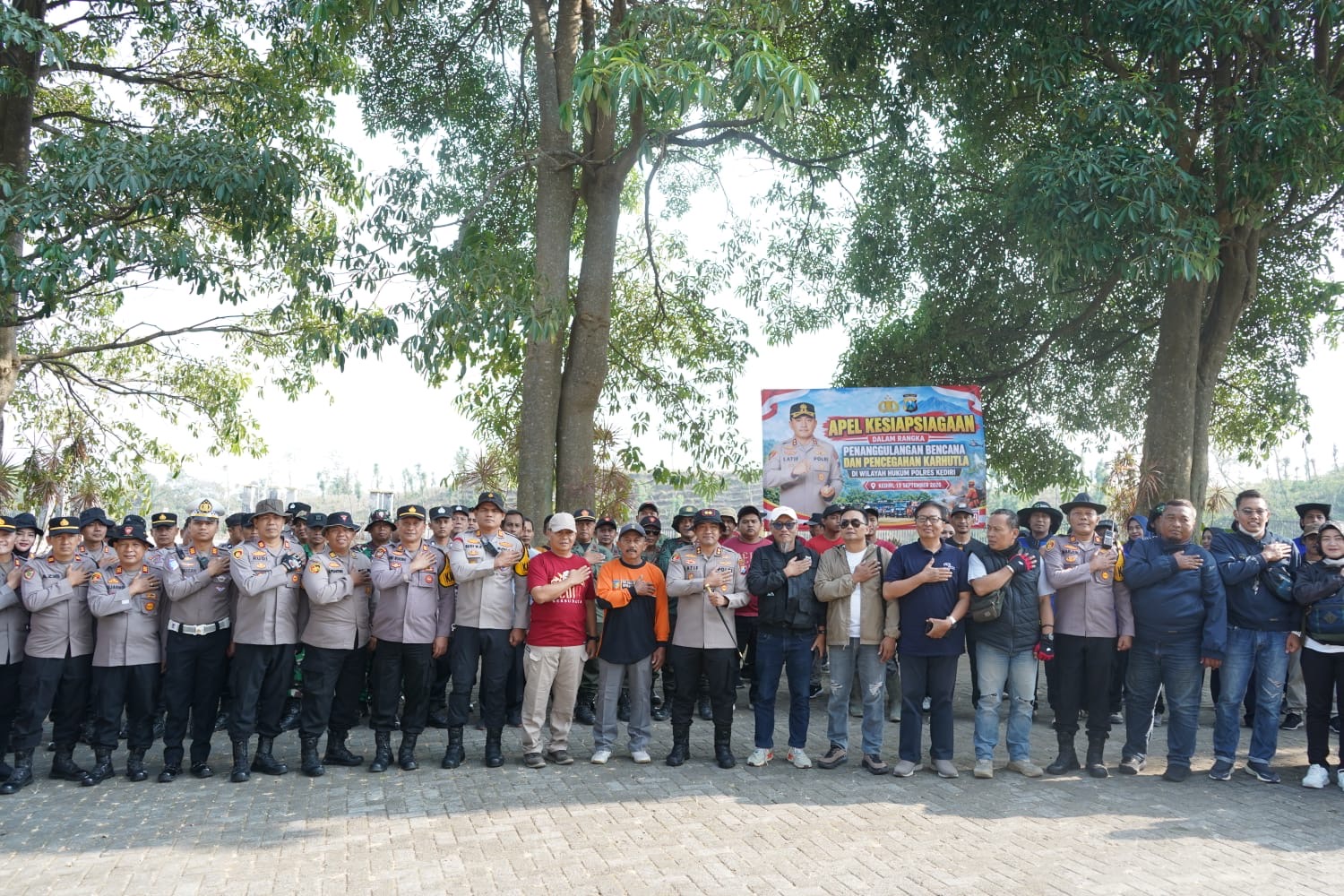
KEDIRI — Guna mengantisipasi potensi kebakaran hutan dan lahan (karhutla) akibat cuaca ekstrem di musim kemarau, Kepolisian Resor (Polres) Kediri Polda Jatim menggelar apel kesiapsiagaan tanggap bencana di kawasan lereng Gunung Kelud, Kabupaten Kediri, Jawa Timur, Sabtu (19/9/2026).
Ratusan personel gabungan dari unsur TNI, Polri, Perhutani, Badan Penanggulangan Bencana Daerah (BPBD), serta kelompok relawan dikerahkan untuk memperketat pengawasan di titik-titik rawan.
Kapolres Kediri AKBP Dr. Muhammad Wahyudin Latif, S.H., S.I.K., M.Si., menyatakan bahwa langkah preventif ini mutlak dilakukan meskipun status vulkanik Gunung Kelud saat ini berada pada Level 1 (Normal).
Menurut AKBP Latif, kondisi vegetasi yang mengering di lereng gunung dinilai sangat rentan memicu kebakaran jika terkena percikan api sekecil apa pun.
“Kami mengingatkan dan mengimbau seluruh masyarakat serta pengunjung agar tidak melakukan pembakaran lahan secara liar, karena dampaknya bisa fatal bagi kelestarian lingkungan dan keselamatan warga,” ujar AKBP Wahyudin Latif saat memimpin apel.
Sebagai langkah nyata, jajaran Polres Kediri Polda Jatim bersama instansi terkait langsung melaksanakan patroli bermotor menyusuri kawasan hutan terpencil.
Petugas memasang spanduk imbauan dan memberikan edukasi langsung kepada masyarakat setempat. Selain itu, koordinasi intensif juga dilakukan dengan mendatangi Pos Pusat Vulkanologi dan Mitigasi Bencana Geologi (PVMBG) Gunung Kelud.
Sementara itu, kesiapsiagaan di garis depan juga ditunjukkan oleh 20 relawan Desa Tanggap Bencana (Destana) Desa Sugihwaras, Kecamatan Ngancar.
Ketua Destana Sugihwaras, Anang Wianto, mengungkapkan bahwa kendala utama dalam penanganan karhutla di kawasan ini adalah sulitnya akses sumber air di medan berbukit.
Sinergi yang kuat antara Polres Kediri bersama instansi terkait dan relawan tapak diharapkan mampu melokalisir potensi bencana sejak dini. (*)
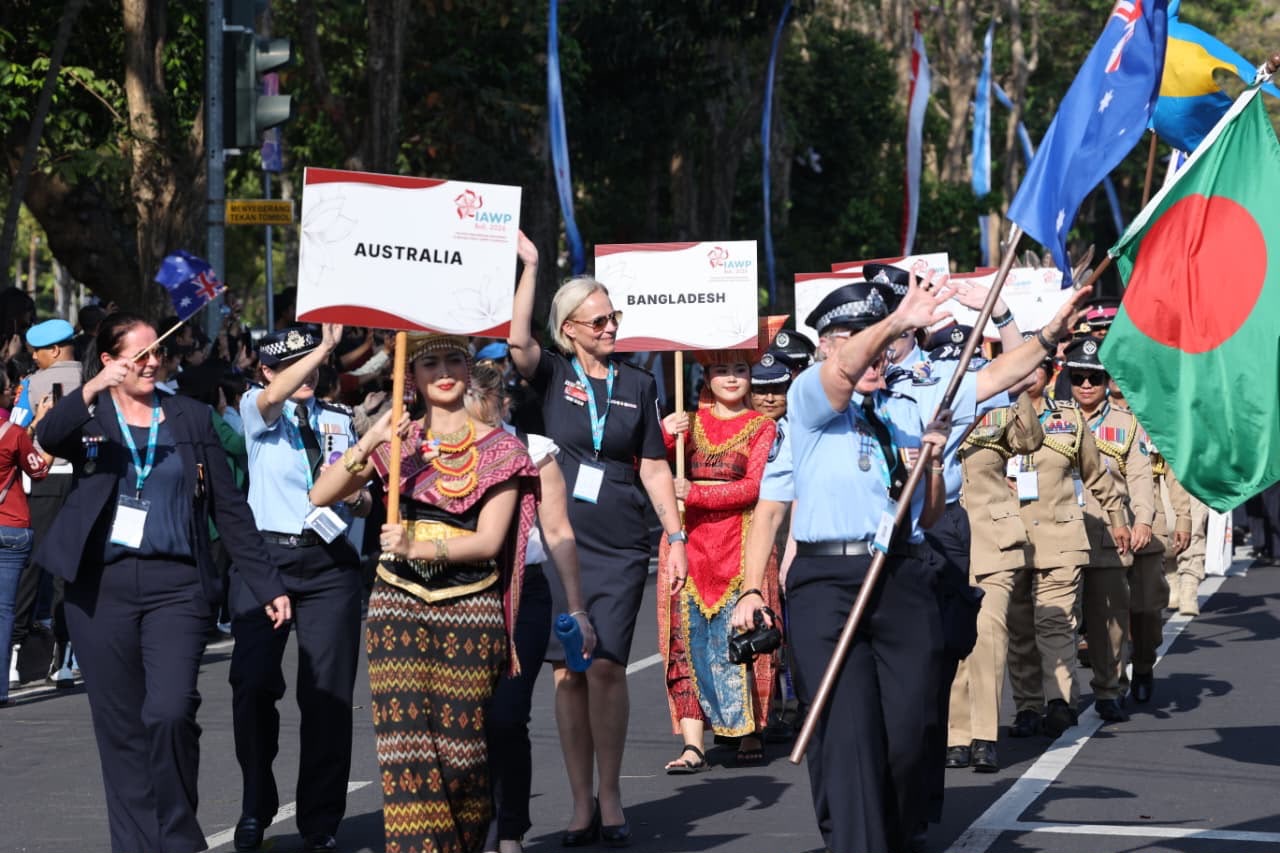
BALI – Sebanyak 450 Polisi Wanita (Polwan) dari 43 negara mengikuti parade dalam rangkaian International Association of Women Police (IAWP) Training Conference 2026 di Lapangan Puputan Renon, Denpasar, Bali, Minggu (20/9/2026).
Parade tersebut menampilkan barisan Polwan dari berbagai negara dengan seragam kepolisian masing-masing serta atraksi dan tradisi khas negara peserta. Kegiatan ini disaksikan antusias oleh masyarakat yang memadati kawasan Jl. Raya Puputan Renon hingga Monumen Bajra Sandhi.
Karo Penmas Divhumas Polri Brigjen Pol. Trunoyudo Wisnu Andiko mengatakan, pelaksanaan IAWP 2026 tidak hanya menjadi ajang pertemuan Polwan dari berbagai negara, tetapi juga menjadi ruang untuk memperkuat komunikasi, berbagi pengalaman, dan membangun kerja sama kepolisian internasional.
“IAWP ini tidak hanya menjadi parade, tetapi juga momentum bagi Polwan dari berbagai negara untuk memperkuat komunikasi, berbagi pengalaman, dan membangun kerja sama dalam menghadapi berbagai tantangan kepolisian yang semakin kompleks,” ujar Trunoyudo dalam keterangannya, Senin (21/9/2026).
Ia menjelaskan, sejumlah isu kepolisian menjadi pembahasan dalam rangkaian konferensi selama lima hari, di antaranya kepemimpinan perempuan, investigasi kompleks, identifikasi korban bencana, perdagangan orang, kontra-terorisme, kekerasan berbasis teknologi, transformasi teknologi kepolisian, hingga kejahatan transnasional terorganisasi.
Menurut Trunoyudo, kehadiran ratusan Polwan dari berbagai negara di Bali juga memberikan dampak positif terhadap sektor pariwisata sekaligus menunjukkan kesiapan Bali sebagai destinasi penyelenggaraan kegiatan berskala internasional.
“Kita berharap pertemuan ini dapat menghasilkan pertukaran pengetahuan dan praktik terbaik yang bisa diterapkan di masing-masing negara. Kehadiran ratusan Polwan dari berbagai negara di Bali juga menunjukkan bahwa kerja sama kepolisian tidak mengenal batas negara, terutama dalam menghadapi kejahatan yang terus berkembang,” katanya.
Kelancaran parade dan rangkaian IAWP 2026 tidak terlepas dari pengamanan personel Polda Bali dan jajaran, dukungan masyarakat, serta koordinasi dengan berbagai pemangku kepentingan terkait.
Pelaksanaan IAWP 2026 di Bali menjadi penyelenggaraan kedua konferensi tersebut di Indonesia. Rangkaian kegiatan kali ini dipusatkan di Nusa Dua, Bali.
-
 Berita5 hari ago
Sinergi TNI-Polri, Satlantas Polres Pasuruan Kota Edukasi Prajurit tentang Keselamatan Berlalu Lintas
-
 Polres6 hari ago
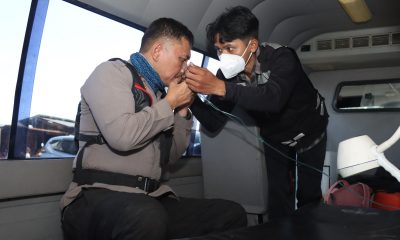
Polres Malang Libatkan Tim Dokkes, Menjaga Napas Para Penjinak Api Karhutla di Lereng Bromo
-
Polsek6 hari ago
Polres Pasuruan Kota Dukung Ketahanan Pangan, Bhabinkamtibmas Dampingi Petani Jagung di Desa Tidu
-

 Polres1 minggu ago
Cegah Karhutla, Polres Ponorogo Gencarkan Edukasi dan Patroli Kawasan Hutan
-
 Berita5 hari ago
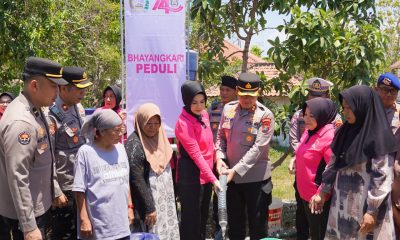
Atasi Krisis Air, Polres Bangkalan Distribusikan 48.000 Liter Air Bersih di Dua Kecamatan
-
 Berita5 hari ago
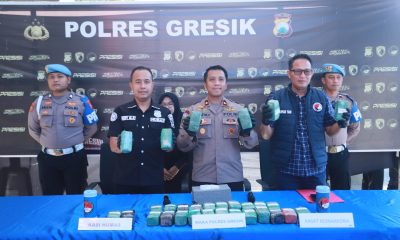
Polres Gresik Sita 10,8 Kg Ganja di Gudang Ekspedisi
-
 Berita7 hari ago
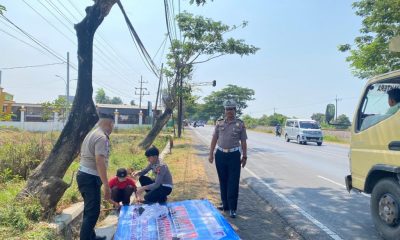
Satlantas Pasuruan Kota Pasang Banner di Jalur Rawan Laka, Pengendara Diingatkan Utamakan Keselamatan
-
 Polres5 hari ago
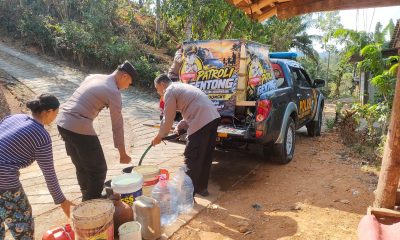
Polres Trenggalek Pasok Ribuan Liter Air Bersih Pakai Mobil Patroli Modifikasi