
Berita
Pantau Arus Balik dari Udara, Kapolda Jatim : “Alhamdulillah Berjalan Lancar”

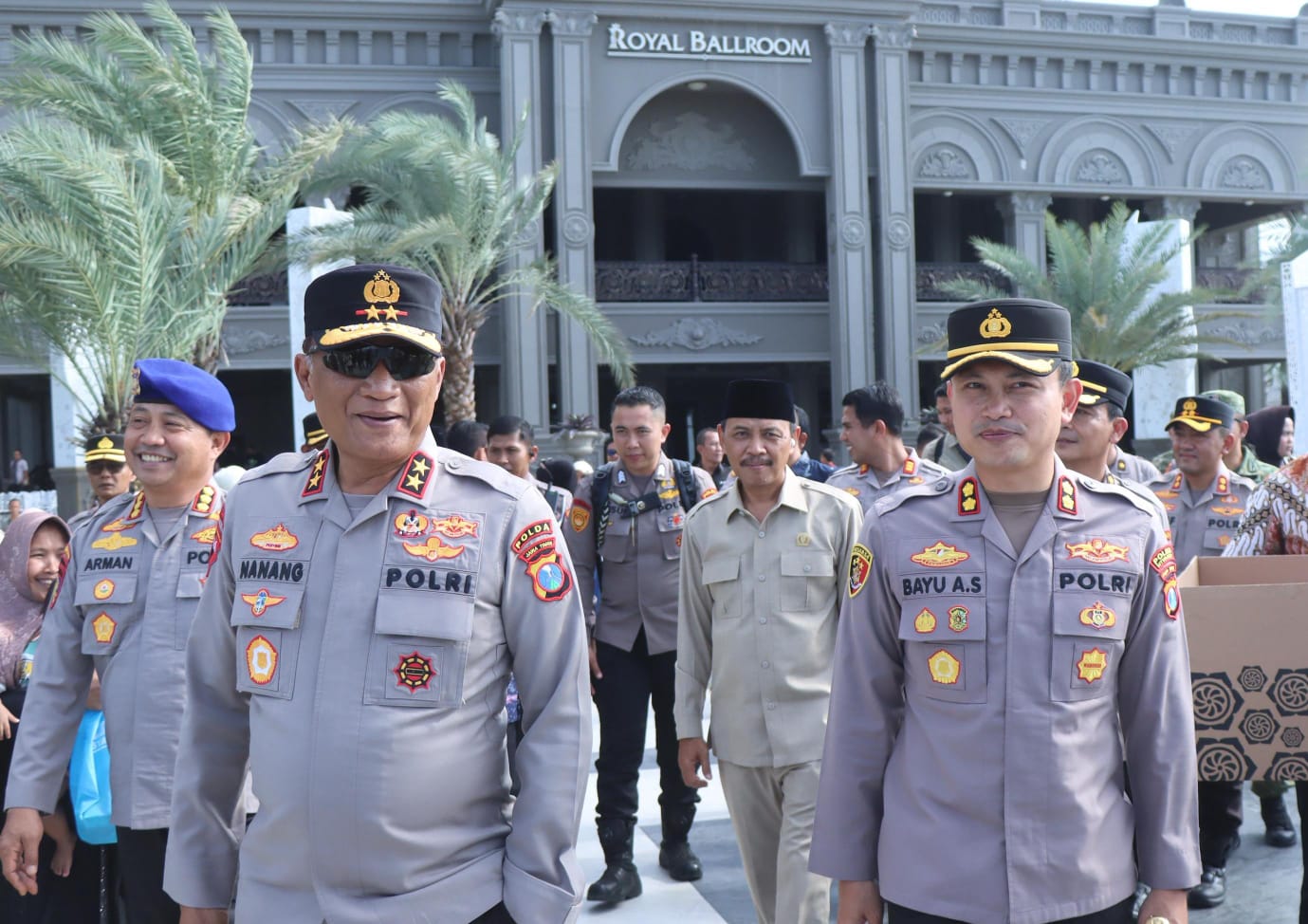
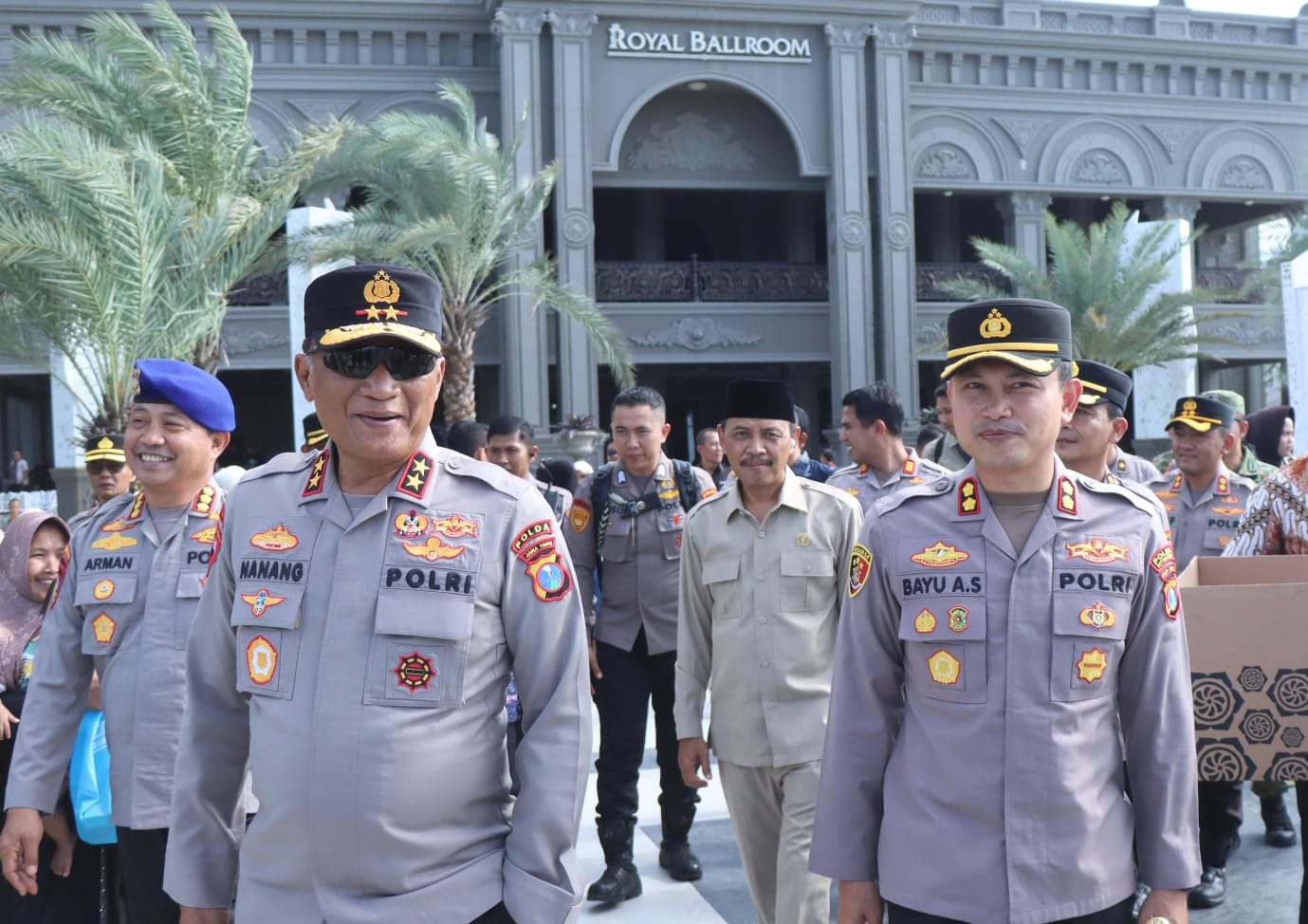
SITUBONDO – Kapolda Jawa Timur, Irjen Pol Drs. Nanang Avianto, memastikan arus balik Lebaran 2026 di wilayah Jawa Timur terpantau aman dan lancar berdasarkan hasil pemantauan udara, mulai dari perbatasan Jawa Timur–Jawa Tengah hingga Banyuwangi.
“Kami melakukan pemantauan dari udara mulai Tol Ngawi yang berbatasan dengan Jawa Tengah hingga ke wilayah Banyuwangi. Secara umum, arus balik terpantau lancar,” ujar Irjen Nanang Avianto saat berada di kawasan Pantai Utama Raya, Banyuglugur, Situbondo, Jumat (27/3/2026).
Ia menambahkan, keberadaan tol fungsional di wilayah Situbondo turut berkontribusi signifikan dalam mengurai kepadatan kendaraan selama periode mudik dan arus balik Lebaran tahun ini.
“Tol fungsional ini sangat membantu memperlancar arus kendaraan, baik saat mudik maupun arus balik,” ungkapnya.
Selain memantau arus lalu lintas, Kapolda Jatim juga meninjau aktivitas masyarakat di destinasi wisata Pantai Utama Raya. Terlihat ratusan pengunjung memadati lokasi dan menikmati suasana libur Lebaran dengan aman dan tertib.
“Alhamdulillah seluruh kegiatan berjalan lancar. Masyarakat dapat menikmati wisata dengan aman karena adanya kesadaran bersama untuk menjaga ketertiban,” tambahnya.
Kapolda Jatim juga mengimbau para pengendara untuk tetap mematuhi aturan lalu lintas serta memanfaatkan fasilitas pos pengamanan, pos pelayanan, dan pos terpadu yang telah disiagakan di sepanjang jalur nasional maupun jalan tol.
“Silakan manfaatkan pos-pos yang tersedia untuk beristirahat agar perjalanan tetap aman, nyaman, dan selamat sampai tujuan,” tegasnya.
Berdasarkan hasil pemantauan, arus balik Lebaran 2026 di Jawa Timur diperkirakan masih tersisa sekitar 30 persen. Pihak kepolisian memastikan seluruh personel tetap siaga memberikan pelayanan hingga berakhirnya Operasi Ketupat Semeru 2026.
“Kami imbau masyarakat untuk mengatur waktu perjalanan dan tidak kembali secara bersamaan guna menghindari penumpukan, mengingat masih tersedia waktu hingga akhir pekan,” pungkasnya. (*)

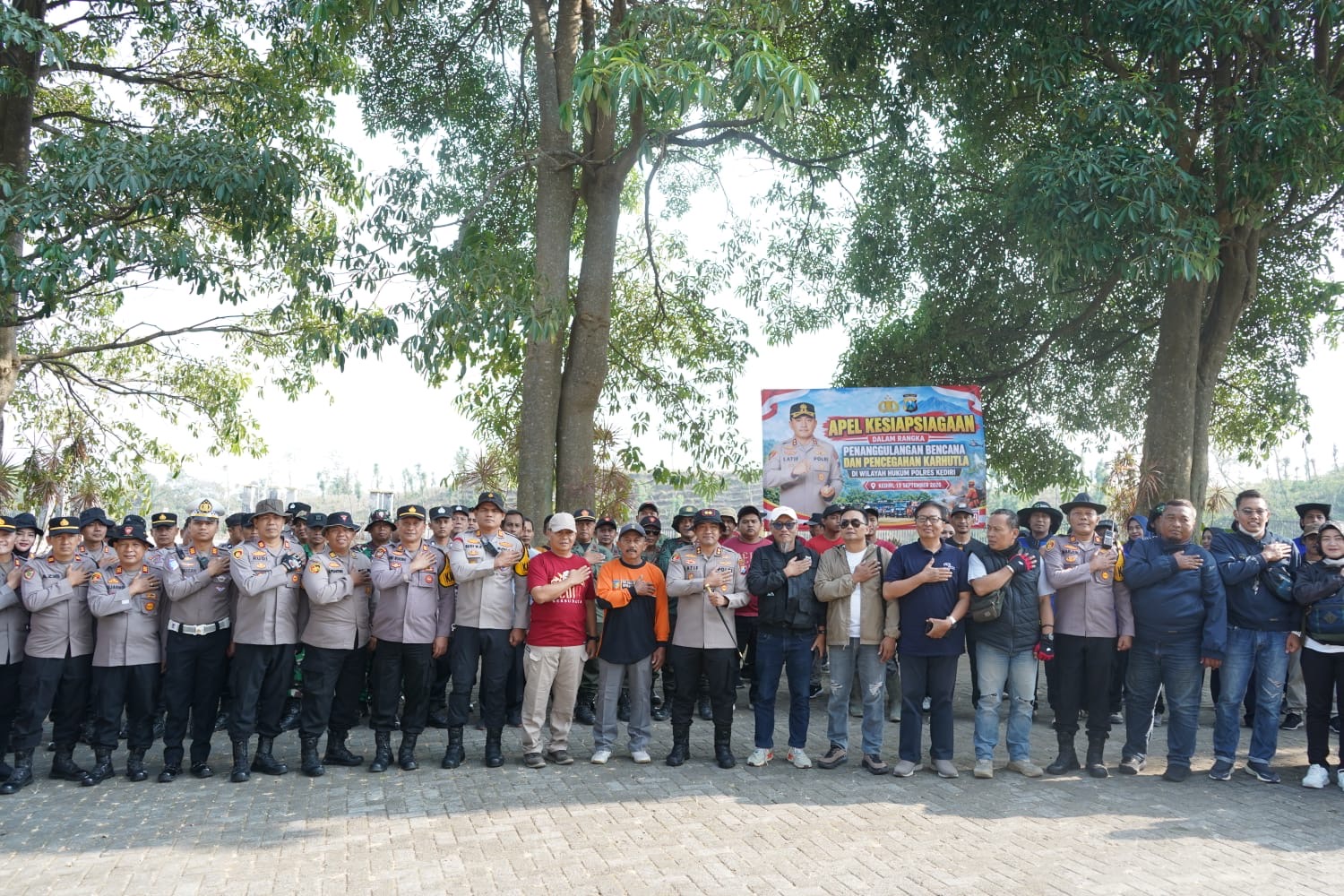
KEDIRI — Guna mengantisipasi potensi kebakaran hutan dan lahan (karhutla) akibat cuaca ekstrem di musim kemarau, Kepolisian Resor (Polres) Kediri Polda Jatim menggelar apel kesiapsiagaan tanggap bencana di kawasan lereng Gunung Kelud, Kabupaten Kediri, Jawa Timur, Sabtu (19/9/2026).
Ratusan personel gabungan dari unsur TNI, Polri, Perhutani, Badan Penanggulangan Bencana Daerah (BPBD), serta kelompok relawan dikerahkan untuk memperketat pengawasan di titik-titik rawan.
Kapolres Kediri AKBP Dr. Muhammad Wahyudin Latif, S.H., S.I.K., M.Si., menyatakan bahwa langkah preventif ini mutlak dilakukan meskipun status vulkanik Gunung Kelud saat ini berada pada Level 1 (Normal).
Menurut AKBP Latif, kondisi vegetasi yang mengering di lereng gunung dinilai sangat rentan memicu kebakaran jika terkena percikan api sekecil apa pun.
“Kami mengingatkan dan mengimbau seluruh masyarakat serta pengunjung agar tidak melakukan pembakaran lahan secara liar, karena dampaknya bisa fatal bagi kelestarian lingkungan dan keselamatan warga,” ujar AKBP Wahyudin Latif saat memimpin apel.
Sebagai langkah nyata, jajaran Polres Kediri Polda Jatim bersama instansi terkait langsung melaksanakan patroli bermotor menyusuri kawasan hutan terpencil.
Petugas memasang spanduk imbauan dan memberikan edukasi langsung kepada masyarakat setempat. Selain itu, koordinasi intensif juga dilakukan dengan mendatangi Pos Pusat Vulkanologi dan Mitigasi Bencana Geologi (PVMBG) Gunung Kelud.
Sementara itu, kesiapsiagaan di garis depan juga ditunjukkan oleh 20 relawan Desa Tanggap Bencana (Destana) Desa Sugihwaras, Kecamatan Ngancar.
Ketua Destana Sugihwaras, Anang Wianto, mengungkapkan bahwa kendala utama dalam penanganan karhutla di kawasan ini adalah sulitnya akses sumber air di medan berbukit.
Sinergi yang kuat antara Polres Kediri bersama instansi terkait dan relawan tapak diharapkan mampu melokalisir potensi bencana sejak dini. (*)
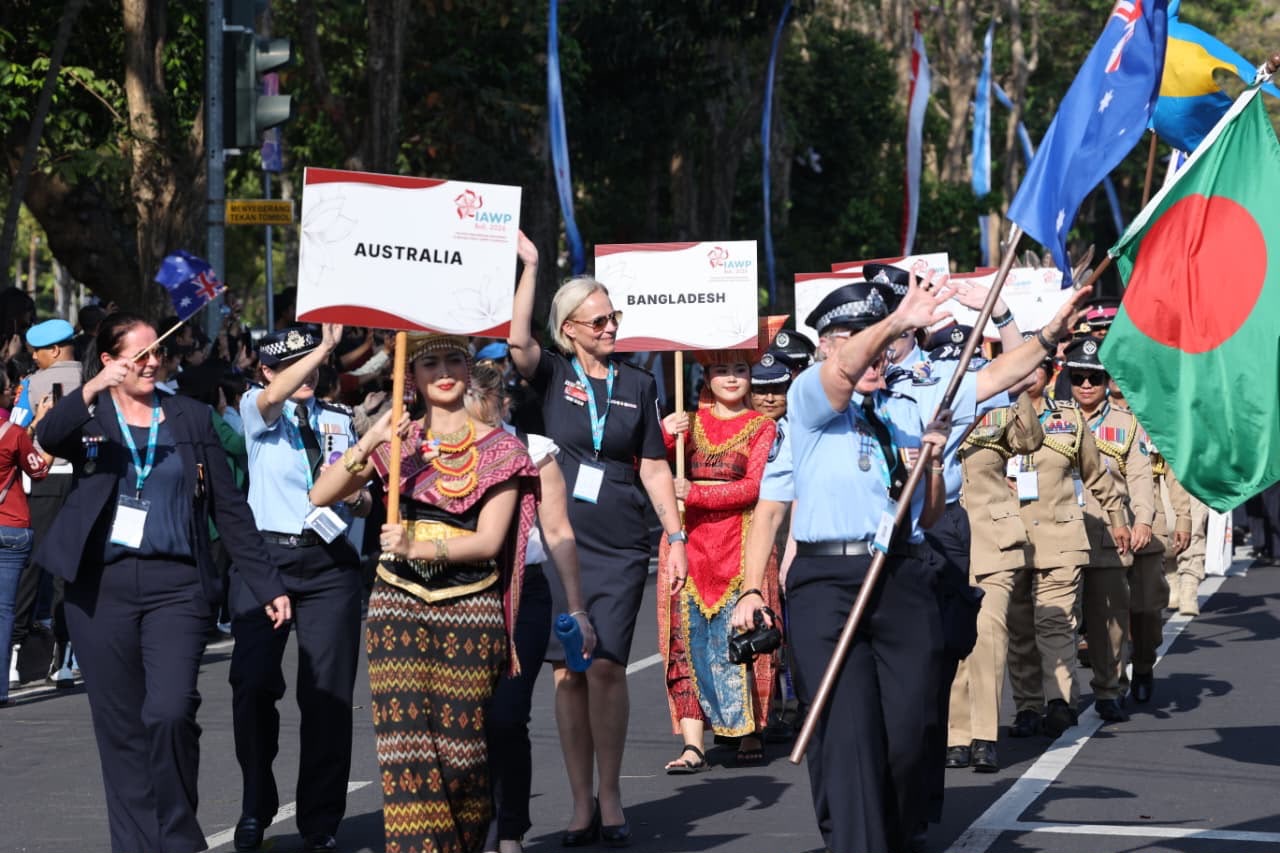
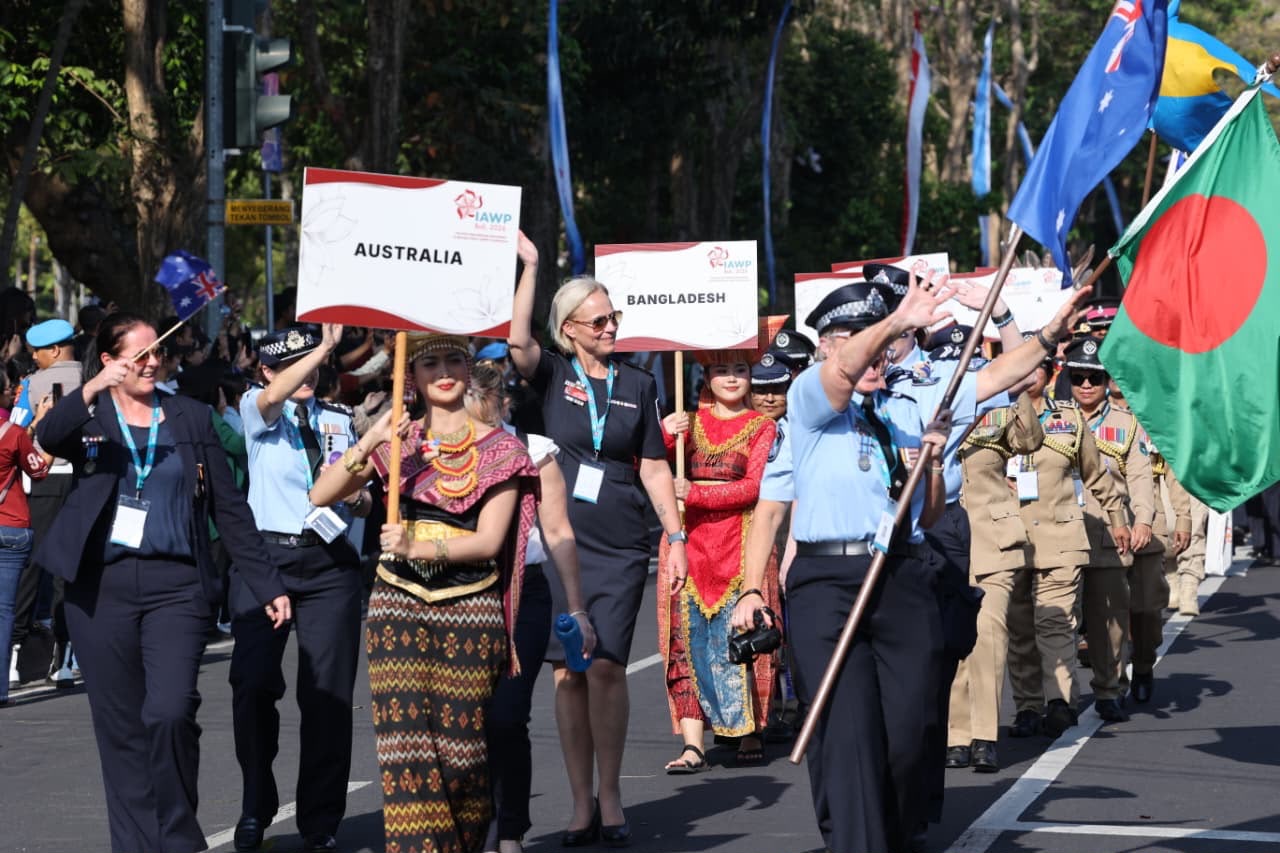
BALI – Sebanyak 450 Polisi Wanita (Polwan) dari 43 negara mengikuti parade dalam rangkaian International Association of Women Police (IAWP) Training Conference 2026 di Lapangan Puputan Renon, Denpasar, Bali, Minggu (20/9/2026).
Parade tersebut menampilkan barisan Polwan dari berbagai negara dengan seragam kepolisian masing-masing serta atraksi dan tradisi khas negara peserta. Kegiatan ini disaksikan antusias oleh masyarakat yang memadati kawasan Jl. Raya Puputan Renon hingga Monumen Bajra Sandhi.
Karo Penmas Divhumas Polri Brigjen Pol. Trunoyudo Wisnu Andiko mengatakan, pelaksanaan IAWP 2026 tidak hanya menjadi ajang pertemuan Polwan dari berbagai negara, tetapi juga menjadi ruang untuk memperkuat komunikasi, berbagi pengalaman, dan membangun kerja sama kepolisian internasional.
“IAWP ini tidak hanya menjadi parade, tetapi juga momentum bagi Polwan dari berbagai negara untuk memperkuat komunikasi, berbagi pengalaman, dan membangun kerja sama dalam menghadapi berbagai tantangan kepolisian yang semakin kompleks,” ujar Trunoyudo dalam keterangannya, Senin (21/9/2026).
Ia menjelaskan, sejumlah isu kepolisian menjadi pembahasan dalam rangkaian konferensi selama lima hari, di antaranya kepemimpinan perempuan, investigasi kompleks, identifikasi korban bencana, perdagangan orang, kontra-terorisme, kekerasan berbasis teknologi, transformasi teknologi kepolisian, hingga kejahatan transnasional terorganisasi.
Menurut Trunoyudo, kehadiran ratusan Polwan dari berbagai negara di Bali juga memberikan dampak positif terhadap sektor pariwisata sekaligus menunjukkan kesiapan Bali sebagai destinasi penyelenggaraan kegiatan berskala internasional.
“Kita berharap pertemuan ini dapat menghasilkan pertukaran pengetahuan dan praktik terbaik yang bisa diterapkan di masing-masing negara. Kehadiran ratusan Polwan dari berbagai negara di Bali juga menunjukkan bahwa kerja sama kepolisian tidak mengenal batas negara, terutama dalam menghadapi kejahatan yang terus berkembang,” katanya.
Kelancaran parade dan rangkaian IAWP 2026 tidak terlepas dari pengamanan personel Polda Bali dan jajaran, dukungan masyarakat, serta koordinasi dengan berbagai pemangku kepentingan terkait.
Pelaksanaan IAWP 2026 di Bali menjadi penyelenggaraan kedua konferensi tersebut di Indonesia. Rangkaian kegiatan kali ini dipusatkan di Nusa Dua, Bali.
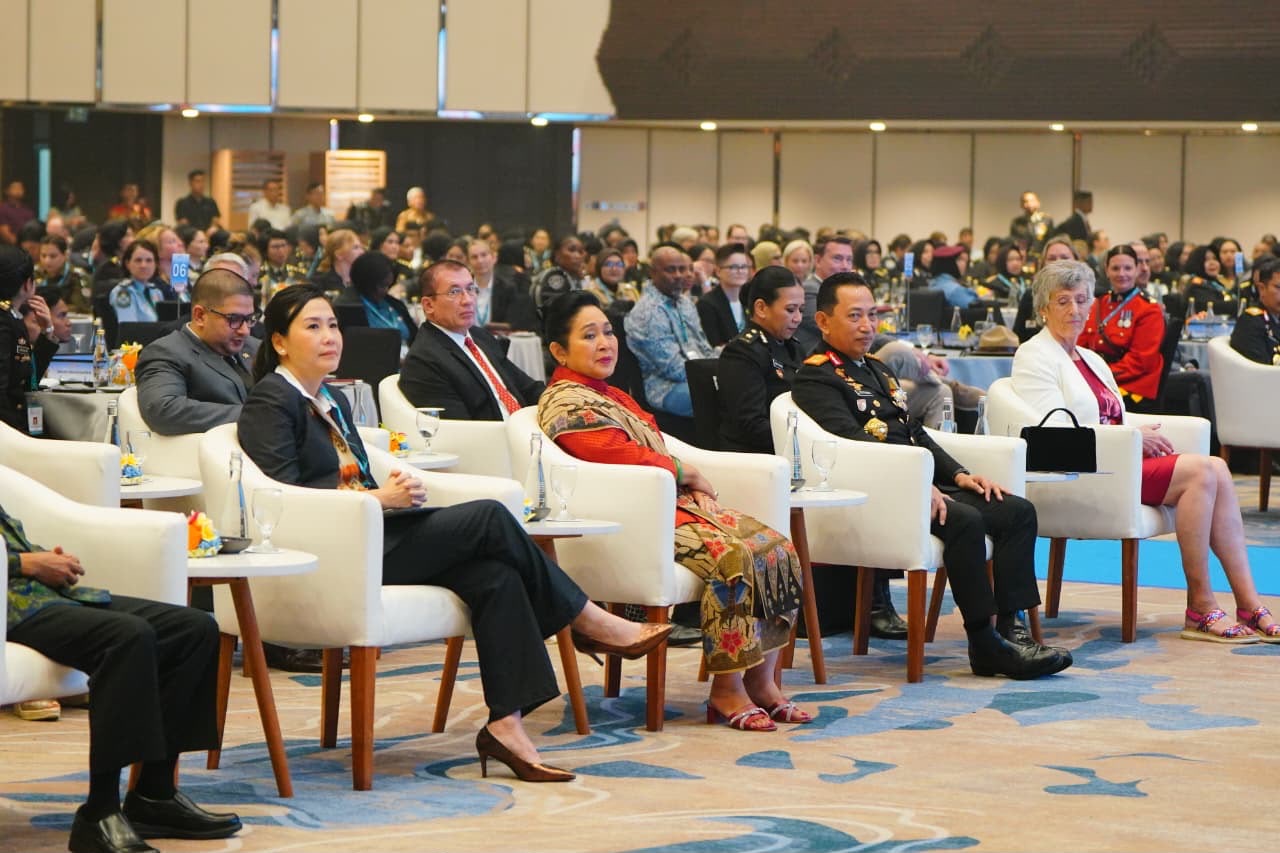
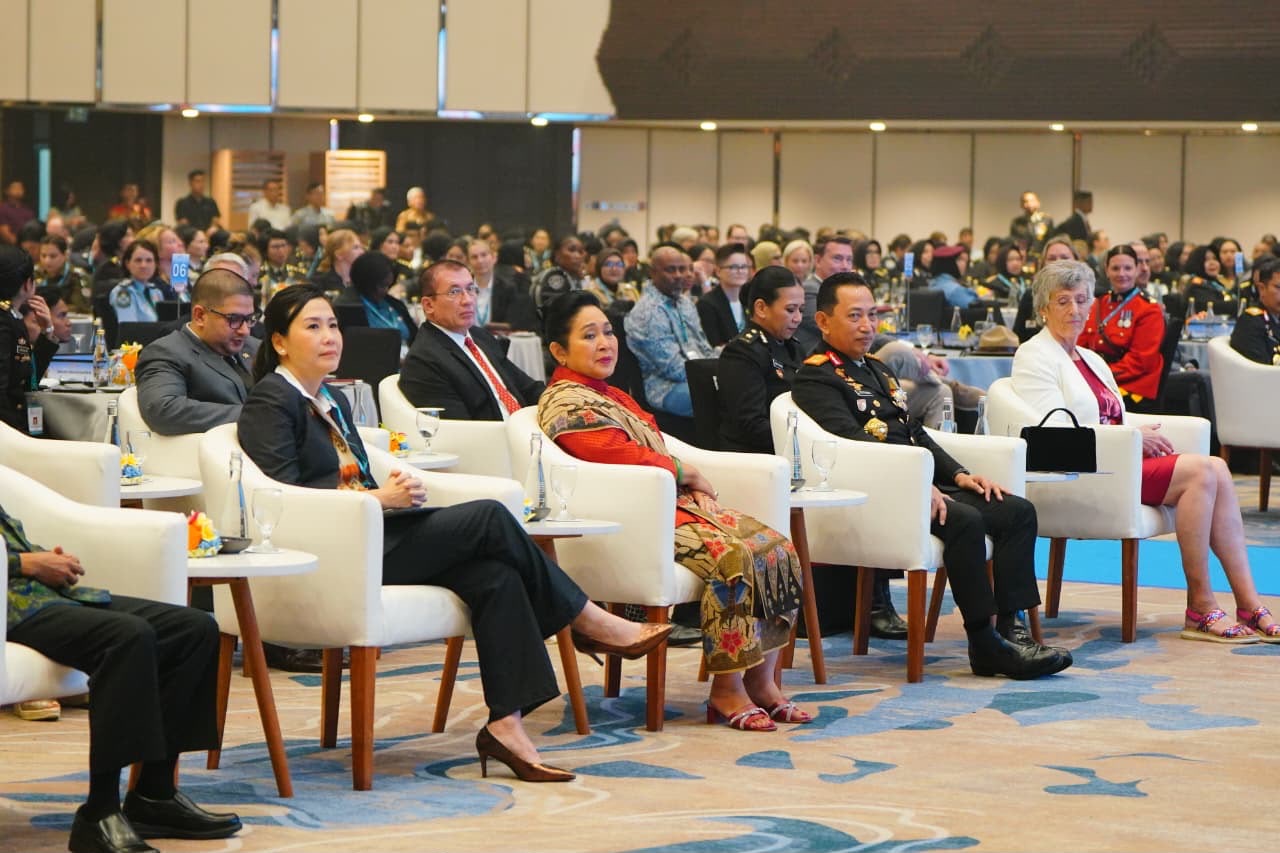
Badung – Indonesia kembali menjadi tuan rumah konferensi polisi perempuan dunia. Sebanyak 450 peserta dari 43 negara berkumpul di Bali dalam The 63rd International Association of Women Police (IAWP) Annual Training Conference 2026 pada 20-24 September. Forum internasional ini membahas berbagai tantangan kepolisian modern, mulai dari kepemimpinan perempuan, perdagangan orang dan kekerasan berbasis teknologi hingga kontra-terorisme serta kejahatan transnasional.
Pembukaan konferensi digelar di The Westin Resort Nusa Dua, Badung, Bali, Minggu (20/9/2026). Kapolri hadir dan memberikan sambutan sebelum seremoni pemukulan gong sebagai tanda resmi dibukanya konferensi.
Bagi Indonesia, penyelenggaraan tahun ini menjadi kali kedua mendapat kepercayaan sebagai tuan rumah konferensi IAWP. Sebelumnya, Indonesia menjadi tuan rumah konferensi ke-58 di Labuan Bajo pada 2021 dengan tema “Women at the Centerstage of Policing”.
Tahun ini, IAWP mengusung tema “Women Leading Global Change”.
“Such an honor for Indonesia to once again be entrusted with hosting the IAWP Conference for the second time, following Labuan Bajo in 2021,” kata Kapolri.
Delegasi yang hadir berasal dari berbagai kawasan dunia. Selain 164 peserta Indonesia, konferensi diikuti 48 peserta Tanzania, 36 Kanada, 19 Amerika Serikat, 18 Inggris, 16 Australia, 14 Korea Selatan, serta delegasi dari puluhan negara lainnya.
Sejumlah tokoh kepolisian internasional juga hadir, antara lain Presiden IAWP Julia Jaeger, Commissioner of the Australian Federal Police Krissy Barrett, serta Wakil Menteri Dalam Negeri Ukraina Kateryna Pavlichenko.
Konferensi selama lima hari tersebut tidak hanya berbicara soal representasi dan kepemimpinan perempuan. Agenda pelatihan disusun untuk membahas persoalan konkret yang kini dihadapi kepolisian dunia.
Topik yang dibahas antara lain kepemimpinan perempuan, investigasi kompleks, identifikasi korban bencana, perdagangan orang, kontra-terorisme, kekerasan berbasis teknologi, transformasi teknologi kepolisian, hingga kejahatan transnasional terorganisasi.
Kapolri menilai kerja sama semacam itu semakin penting ketika modus kejahatan terus berkembang melintasi batas negara dan memanfaatkan kemajuan teknologi, termasuk AI.
Karena itu, IAWP 2026 diharapkan menjadi ruang bagi polisi perempuan dunia untuk bertukar pengalaman dan praktik terbaik sekaligus membangun jejaring serta kerja sama internasional yang berkelanjutan.
“Together, we empower women. Together, we strengthen policing. Together, we uphold peace. And together, we lead global change,” kata Kapolri.
-
 Berita5 hari ago
Sinergi TNI-Polri, Satlantas Polres Pasuruan Kota Edukasi Prajurit tentang Keselamatan Berlalu Lintas
-
 Polres6 hari ago
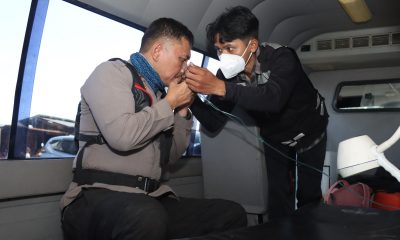
Polres Malang Libatkan Tim Dokkes, Menjaga Napas Para Penjinak Api Karhutla di Lereng Bromo
-
Polsek6 hari ago
Polres Pasuruan Kota Dukung Ketahanan Pangan, Bhabinkamtibmas Dampingi Petani Jagung di Desa Tidu
-

 Polres1 minggu ago
Cegah Karhutla, Polres Ponorogo Gencarkan Edukasi dan Patroli Kawasan Hutan
-
 Berita5 hari ago
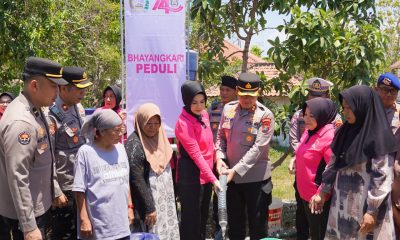
Atasi Krisis Air, Polres Bangkalan Distribusikan 48.000 Liter Air Bersih di Dua Kecamatan
-
 Berita5 hari ago
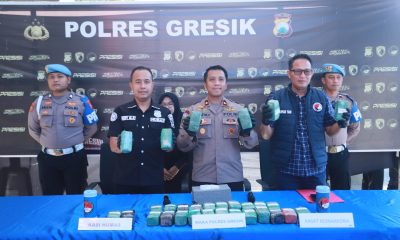
Polres Gresik Sita 10,8 Kg Ganja di Gudang Ekspedisi
-
 Berita7 hari ago
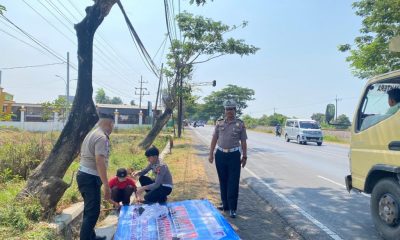
Satlantas Pasuruan Kota Pasang Banner di Jalur Rawan Laka, Pengendara Diingatkan Utamakan Keselamatan
-
 Polres5 hari ago
Polres Trenggalek Pasok Ribuan Liter Air Bersih Pakai Mobil Patroli Modifikasi