
Berita
Anggota Ditlantas Polda Metro Jaya Gugur Usai Tugas Pengamanan Mudik

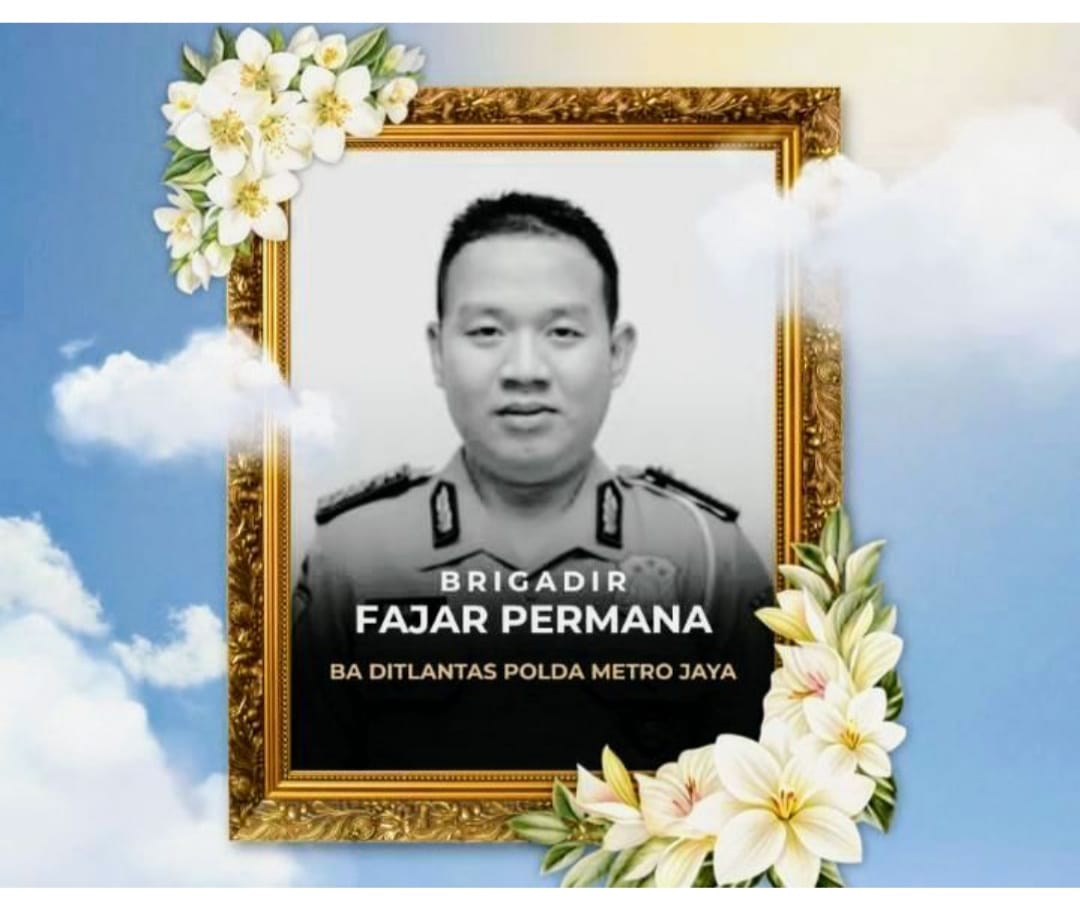
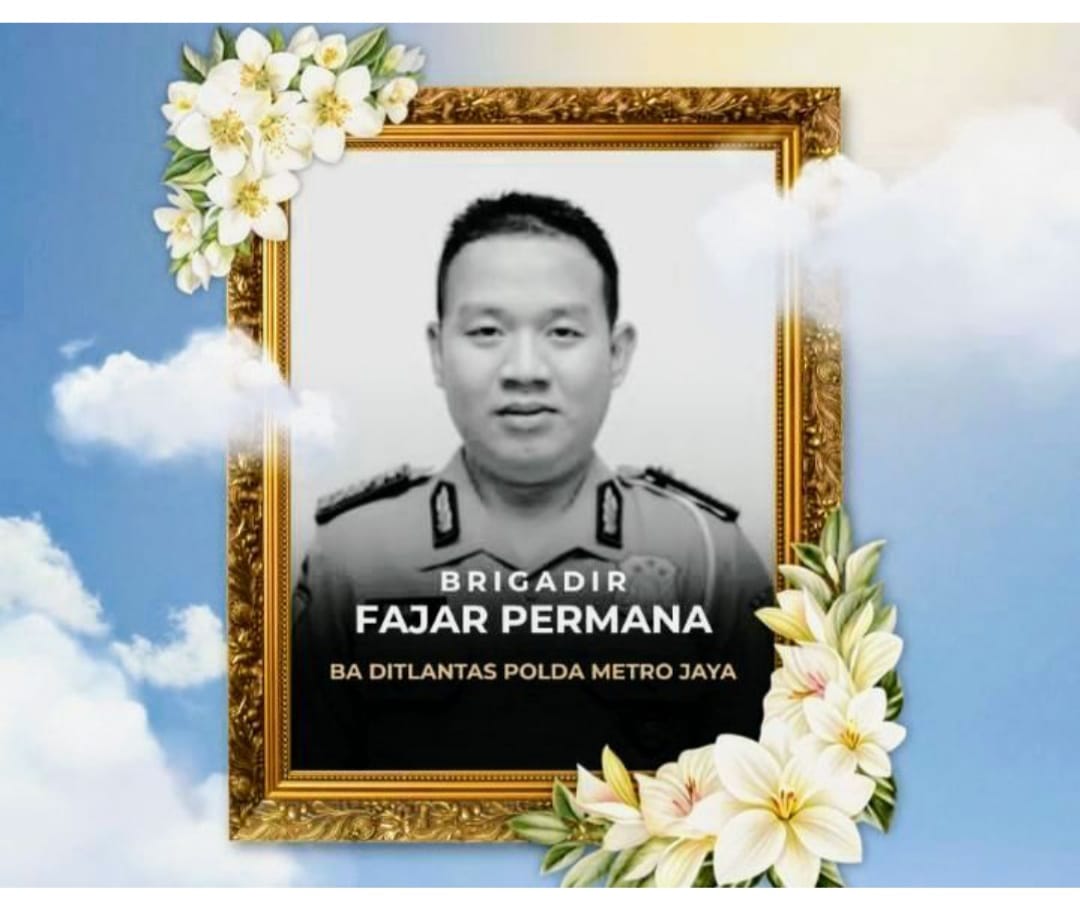
JAKARTA – Duka menyelimuti jajaran Direktorat Lalu Lintas Polda Metro Jaya. Seorang anggota Polri, Brigadir Fajar Permana, meninggal dunia usai mengalami kelelahan disertai sesak napas setelah menjalankan tugas pengamanan pada momentum Hari Raya Idulfitri 1447 Hijriah.
Direktur Lalu Lintas Polda Metro Jaya, Kombes Pol Komarudin, menjelaskan bahwa almarhum sempat mengeluhkan kondisi kesehatannya pada pagi hari setelah bertugas semalaman di hari pertama Lebaran.
“Sepulang dinas, almarhum mengaku kelelahan dan mengalami sesak napas. Ia sempat meminta bantuan rekan untuk dilakukan kerokan di asrama polisi Ciputat,” ujar Komarudin, Minggu (22/3/2026).
Namun demikian, kondisi kesehatan Brigadir Fajar tidak menunjukkan perbaikan. Pada sore harinya, ia kembali merasakan ketidaknyamanan dan meminta diantar ke rumah sakit guna memperoleh penanganan medis.
“Ketika tiba di Instalasi Gawat Darurat RS Helsa Ciputat Timur, almarhum sudah dalam keadaan tidak sadar. Meskipun telah mendapatkan penanganan medis, nyawanya tidak dapat diselamatkan dan dinyatakan meninggal dunia,” jelasnya.
Kejadian ini menambah suasana duka di tengah perayaan Lebaran, khususnya bagi keluarga besar Polri yang tengah melaksanakan tugas pengamanan arus mudik dan perayaan Idulfitri.
Kapolda Metro Jaya, Irjen Pol Asep Edi Suheri, turut menyampaikan rasa belasungkawa yang mendalam atas wafatnya almarhum.
Berita
Kapolres Madiun Kota Apresiasi Massa PSHT dalam Menyampaikan Aspirasi, Aksi Damai Berakhir Kondusif
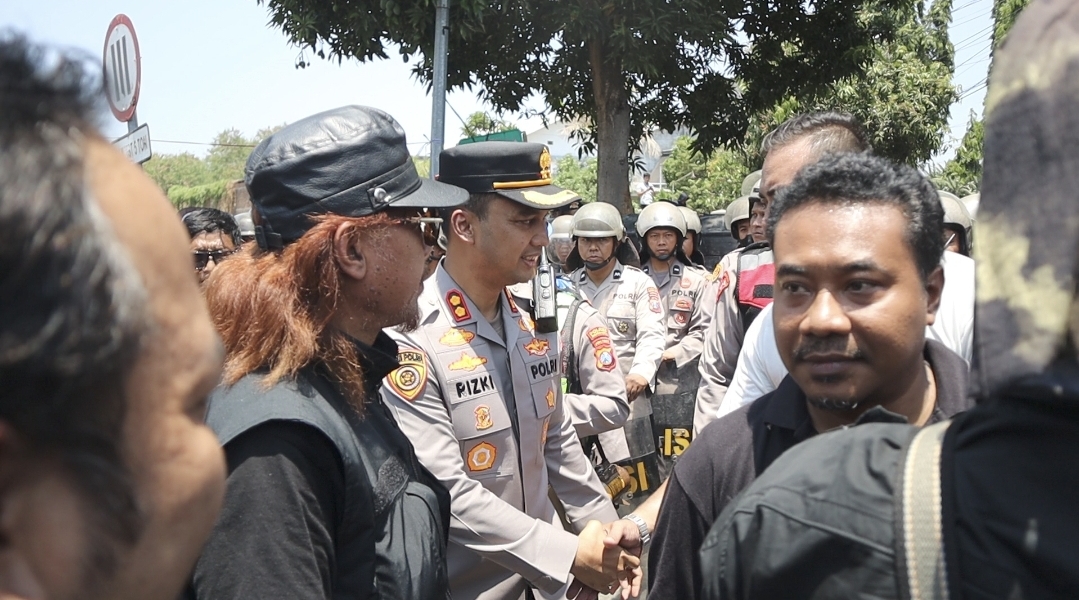
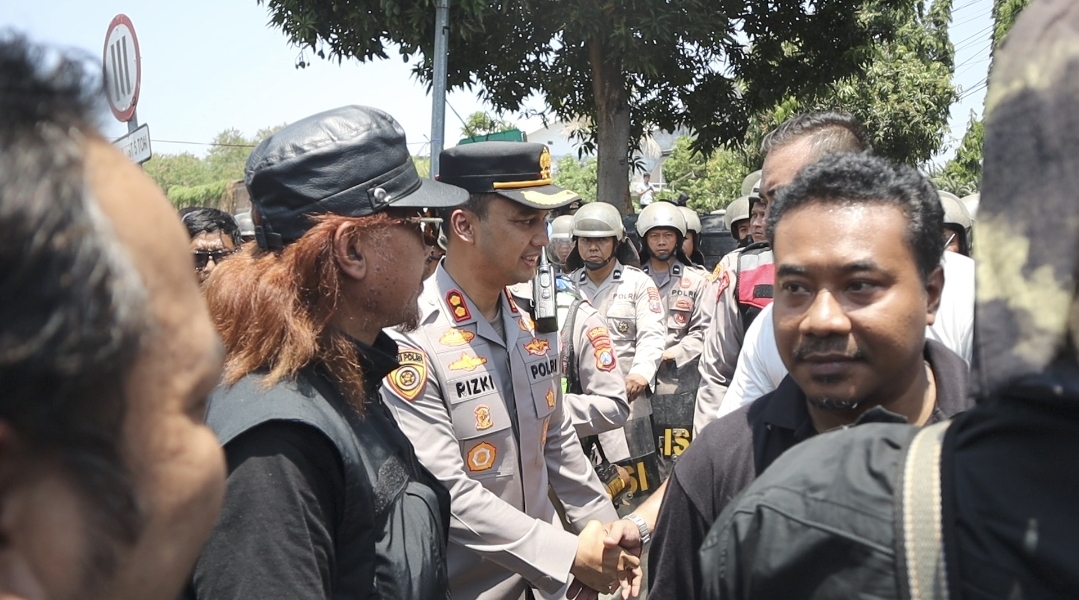
KOTA MADIUN – Kapolres Madiun Kota, AKBP Rizki Pratama W.P., menyampaikan apresiasi dan terima kasih kepada seluruh massa Persaudaraan Setia Hati Terate (PSHT) yang menggelar aksi damai di wilayah Kota Madiun pada Selasa (22/9/2026).
Berkat komunikasi dua arah yang efektif antara peserta aksi dan petugas keamanan gabungan, seluruh massa membubarkan diri dengan tenang tanpa ada keributan.
“Terima kasih atas kerja sama seluruh peserta. Kami sangat mengapresiasi karena kegiatan dapat berlangsung dengan damai, tertib, dan kondusif,” ujar AKBP Rizki.
Kapolres Madiun Kota menegaskan bahwa kegiatan layanan pengamanan yang dilakukan Polres Madiun Kota Polda Jatim tersebut merupakan wujud nyata komitmen Polri bersama unsur terkait dalam mewujudkan situasi yang kondusif.
“Fokus utama petugas adalah menjaga ketertiban umum sekaligus memastikan hak masyarakat dalam menyampaikan aspirasi dapat berjalan dengan aman dan terlindungi,” terang AKBP Rizki.
Dalam kesempatan tersebut, AKBP Rizki juga meluruskan informasi keliru terkait video viral di media sosial yang menarasikan adanya bentrokan antara Polisi dan massa pesilat.
“Tidak ada bentrok. Itu hanya dinamika di lapangan,” tegas AKBP Rizki.
Ia menjelaskan, situasi sempat diwarnai aksi saling dorong yang mengakibatkan tameng salah satu petugas terjatuh. Meski demikian, ketegangan sesaat itu langsung mereda dan situasi kembali kondusif setelah dialog dilakukan.
Kapolres Madiun Kota juga memastikan tidak ada satu pun peserta aksi yang diamankan oleh pihak kepolisian.
“Tidak ada yang diamankan. Mereka membubarkan diri secara sukarela. Bahkan, petugas kami memfasilitasi kepulangan mereka menggunakan truk menuju lokasi parkir, mengingat jarak antara titik aksi dan tempat parkir kendaraan mereka cukup jauh,” ungkap AKBP Rizki.
Sebagai informasi, aksi massa ini dipicu oleh dinamika internal terkait dualisme kepemimpinan di dalam organisasi PSHT.
Ketegangan berhasil diredam sepenuhnya setelah Kapolres Madiun Kota turun langsung melakukan negosiasi intensif bersama perwakilan massa aksi. (*)
Polres
Hari Tani Nasional 2026, Polres Bondowoso Gandeng Petani dan Dunia Pendidikan Wujudkan Ketahanan Pangan


BONDOWOSO – Menjelang peringatan Hari Tani Nasional 2026, Kepolisian Resor (Polres) Bondowoso Polda Jatim memperkuat kolaborasi nyata bersama warga tani dan dunia pendidikan.
Langkah ini diwujudkan melalui aksi penanaman jagung bersama yang dipimpin langsung oleh Kapolres Bondowoso, AKBP Dr. Aryo Dwi Wibowo, S.H., S.I.K., M.M., di Lahan Praktik SMK PP Negeri 1 Tegalampel, Bondowoso, pada Rabu (23/9).
Kegiatan ini menjadi simbol sinergi yang kuat antara Polri, warga tani, pemerintah, dan akademisi dalam mengawal fondasi ketahanan pangan nasional dari tingkat daerah.
Dalam sambutannya, Kapolres Bondowoso menegaskan bahwa Polri berkomitmen penuh berada di garda terdepan untuk menyokong kesejahteraan petani dan produktivitas lahan.
Tugas kepolisian kini meluas, tidak hanya menjaga keamanan dan ketertiban masyarakat (kamtibmas), tetapi juga turun langsung ke sawah dan ladang membantu para petani.
“Momentum Hari Tani Nasional tahun ini harus kita maknai dengan aksi konkret. Kolaborasi antara Polres Bondowoso dan warga tani ini adalah bukti bahwa kita bergerak bersama demi swasembada pangan. Kami hadir untuk memastikan petani mendapat dukungan penuh,” ujar AKBP Aryo Dwi Wibowo.
Inisiasi ini lahir dari diskusi mendalam antara Kapolres dengan dr. Rasmono mengenai optimalisasi sektor pertanian di Bondowoso.
Melalui program ini, lahan praktik sekolah dimanfaatkan sebagai laboratorium hidup untuk menguji coba pupuk inovasi, yang diharapkan mampu mendongkrak hasil panen jagung para kelompok tani setempat secara signifikan.
Selain melibatkan kelompok tani, keterlibatan aktif generasi muda di SMK PP Negeri 1 Tegalampel menjadi jembatan regenerasi sektor pertanian.
Para siswa dipertemukan langsung dengan para petani senior dan personel kepolisian untuk mempraktikkan manajemen pertanian modern.
“Kami ingin para siswa menyerap ilmu lapangan ini, lalu membagikannya kepada kelompok tani di desa masing-masing. Mereka adalah agen perubahan yang akan membawa pertanian Bondowoso jauh lebih maju,” tambah AKBP Aryo Dwi Wibowo.
Sebagai bentuk dukungan materiil, acara dilanjutkan dengan penyerahan bantuan bibit jagung secara simbolis kepada perwakilan kelompok tani dan siswa.
Kapolres Bondowoso bersama seluruh tamu undangan, warga tani, dan para siswa kemudian turun bersama ke lahan untuk menanam benih jagung. Rangkaian kegiatan ditutup dengan sesi foto bersama dan ramah tamah yang mempererat kebersamaan seluruh elemen masyarakat. (*)


JAKARTA – Polri mendorong transformasi layanan Surat Keterangan Catatan Kepolisian (SKCK) melalui penguatan integrasi data dan kolaborasi lintas kementerian/lembaga. Langkah tersebut dibahas dalam Focus Group Discussion (FGD) dan Joint Commitment “Transformasi Ekosistem Tata Kelola Layanan SKCK Terintegrasi dalam Mendukung Integrasi Pelayanan Publik Nasional Menuju Indonesia Emas 2045” di Jakarta, Rabu (23/9/2026).
Direktur Keamanan Khusus (Dirkamsus) Baintelkam Polri Brigjen Pol. Antonius Dwi Hendro Sunarko mengatakan, layanan SKCK secara penuh telah diterapkan secara maksimal sejak 2025 dan terus dikembangkan melalui integrasi dengan sejumlah basis data kementerian/lembaga.
“Di SKCK Polri ini kita sudah masuk di super app. Data yang sudah terkoneksi antara lain Dukcapil, Ditjen Imigrasi, Bareskrim, dan BPJS. Ke depan pasti akan bergabung dengan yang lain-lainnya,” ujar Antonius.
Menurutnya, pengembangan layanan SKCK digital diarahkan untuk memberikan kemudahan sekaligus meningkatkan transparansi pelayanan kepada masyarakat. Salah satu konsep yang tengah disiapkan Polri adalah pencetakan SKCK secara mandiri tanpa harus datang ke kantor polisi.
“Roh dari SKCK full online ini adalah menghilangkan pertemuan antara pemohon dengan petugas kepolisian. Pada saat pencetakan blanko SKCK, bisa di mana saja. Tidak perlu datang ke kantor polisi, cukup dengan aplikasi SKCK online dan barcode yang dihasilkan,” jelasnya.
Antonius menambahkan, konsep pencetakan mandiri tersebut saat ini masih dalam tahap uji coba menggunakan 10 mesin Anjungan Tunai Mandiri (ATM) di Jakarta. Polri menargetkan pengembangan konsep tersebut dapat dilakukan pada 2027 dengan mempertimbangkan kesiapan jaringan, infrastruktur, serta aspek teknis lainnya.
Sementara itu, Sekretaris Jenderal Kementerian Komunikasi dan Digital (Komdigi) Dr. Ir. Ismail, M.T. mengapresiasi inisiatif Baintelkam Polri dalam mendorong integrasi layanan SKCK dengan ekosistem pelayanan publik nasional.
“Inisiatif yang dilakukan oleh Baintelkam Polri ini merupakan sebuah inisiatif untuk mengolaborasikan dan mengintegrasikan layanan SKCK yang merupakan salah satu layanan dasar bagi masyarakat, agar masyarakat dimudahkan ke depan,” kata Ismail.
Ia menyebut, dari sisi teknologi, pemerintah telah memiliki solusi untuk mendukung integrasi data antarkementerian/lembaga. Menurutnya, tantangan utama selanjutnya adalah membangun pola pikir kolaboratif di antara seluruh instansi.
“Semangat yang sama, yaitu menjadi abdi masyarakat, pelayan masyarakat. Sehingga pengintegrasian itu akan mengubah jargon kami, saya, dari masing-masing kementerian/lembaga menjadi jargon kita,” ujarnya.
FGD tersebut turut melibatkan sejumlah kementerian/lembaga, di antaranya BPJS, Kementerian Ketenagakerjaan, Komdigi, dan Kementerian PANRB. Kegiatan dilanjutkan dengan penandatanganan Joint Commitment sebagai bentuk komitmen bersama dalam mendukung transformasi dan integrasi tata kelola layanan SKCK.
Melalui pengembangan layanan berbasis digital dan integrasi data, Polri terus mendorong pelayanan SKCK yang lebih mudah, cepat, transparan, serta sesuai dengan kebutuhan masyarakat.
-
 Berita1 minggu ago
Sinergi TNI-Polri, Satlantas Polres Pasuruan Kota Edukasi Prajurit tentang Keselamatan Berlalu Lintas
-
 Berita1 minggu ago
Satlantas Pasuruan Kota Pasang Banner di Jalur Rawan Laka, Pengendara Diingatkan Utamakan Keselamatan
-
 Polres6 hari ago
Satlantas Polres Pasuruan Kota Gandeng Komunitas Ojol dalam Bakti Kesehatan HUT Lalu Lintas ke-71
-
 Berita1 minggu ago
Atasi Krisis Air, Polres Bangkalan Distribusikan 48.000 Liter Air Bersih di Dua Kecamatan
-
 Polres1 minggu ago
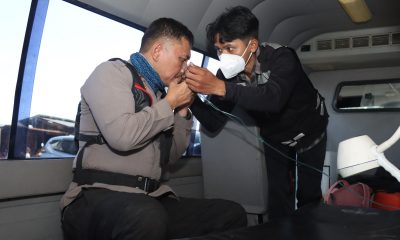
Polres Malang Libatkan Tim Dokkes, Menjaga Napas Para Penjinak Api Karhutla di Lereng Bromo
-
Polsek1 minggu ago
Polres Pasuruan Kota Dukung Ketahanan Pangan, Bhabinkamtibmas Dampingi Petani Jagung di Desa Tidu
-
 Berita1 minggu ago
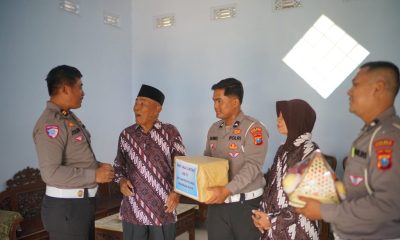
HUT Lantas ke-71, Satlantas Polres Pasuruan Kota Sambangi Purnawirawan IPTU Abadi
-

 Berita1 minggu ago
Polri Kerahkan Tim DVI untuk Mendukung Penanganan Hilangnya Kapal Virgo