
Berita
Antisipasi 3C, Polsek Rejoso Intensifkan Patroli dan Dialogis Bersama Masyarakat

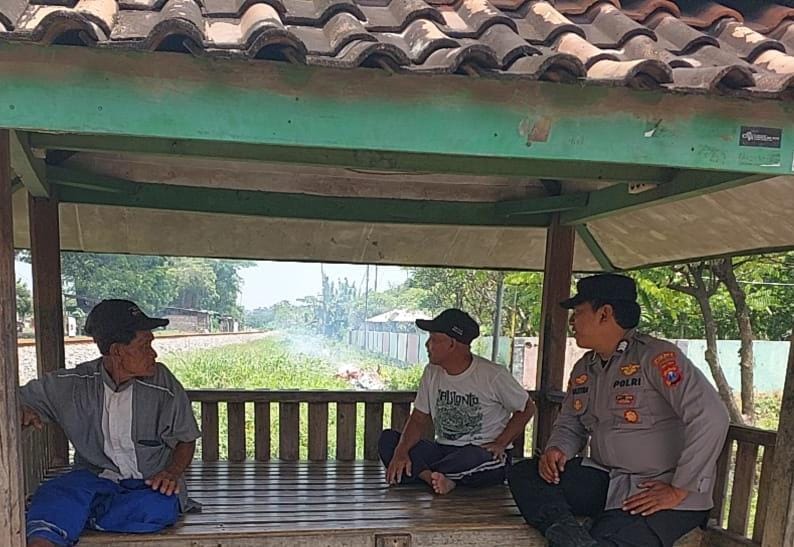
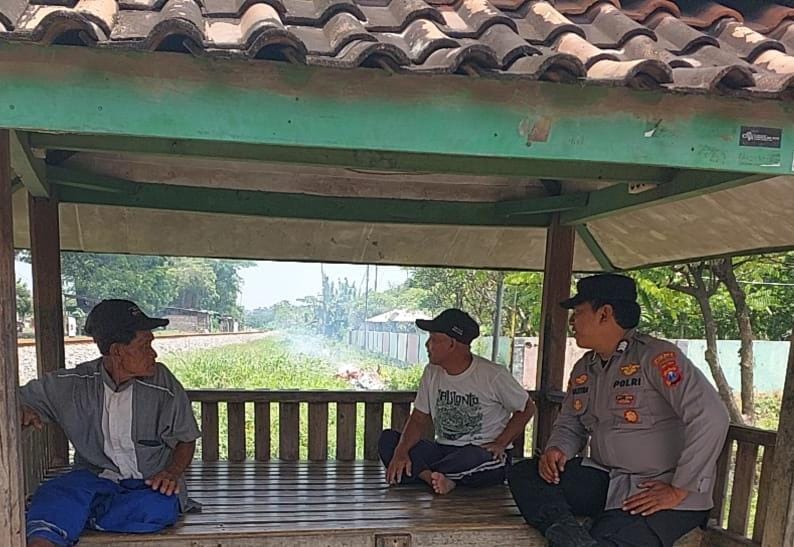
Polresta Pasuruan – Dalam menjaga situasi keamanan dan ketertiban masyarakat (kamtibmas), Polsek Rejoso Polres Pasuruan Kota Polda Jawa Timur meningkatkan kegiatan patroli guna mengantisipasi tindak kriminalitas 3C (Curat, Curas, dan Curanmor) di wilayah hukumnya. Kamis (19/3/2026).
Kegiatan patroli dilakukan secara rutin dengan menyasar sejumlah titik rawan, seperti kawasan permukiman, pertokoan, serta ruas jalan yang sepi dan berpotensi terjadi aksi kejahatan. Selain itu, petugas juga melaksanakan patroli dialogis dengan masyarakat untuk menyampaikan pesan-pesan kamtibmas secara langsung.
Dalam kegiatan tersebut, anggota Polsek Rejoso mengimbau masyarakat agar selalu waspada terhadap potensi kejahatan, khususnya 3C. Warga juga diajak untuk meningkatkan kepedulian terhadap lingkungan sekitar serta segera melaporkan kepada pihak kepolisian apabila menemukan aktivitas mencurigakan.
Kapolsek Rejoso AKP Agung, S.H. menyampaikan bahwa kegiatan patroli dan dialogis ini merupakan langkah preventif guna menciptakan rasa aman di tengah masyarakat.
“Kami terus meningkatkan patroli serta kegiatan dialogis dengan masyarakat sebagai upaya pencegahan terhadap tindak kriminalitas 3C. Kehadiran polisi di lapangan diharapkan mampu memberikan rasa aman dan menekan angka kejahatan,” ujar AKP Agung.
Ia juga menambahkan bahwa peran aktif masyarakat sangat dibutuhkan dalam menjaga keamanan lingkungan.
Dengan adanya kegiatan patroli dan dialogis ini, diharapkan situasi kamtibmas di wilayah hukum Polsek Rejoso Polres Pasuruan Kota tetap aman, kondusif, dan terkendali.
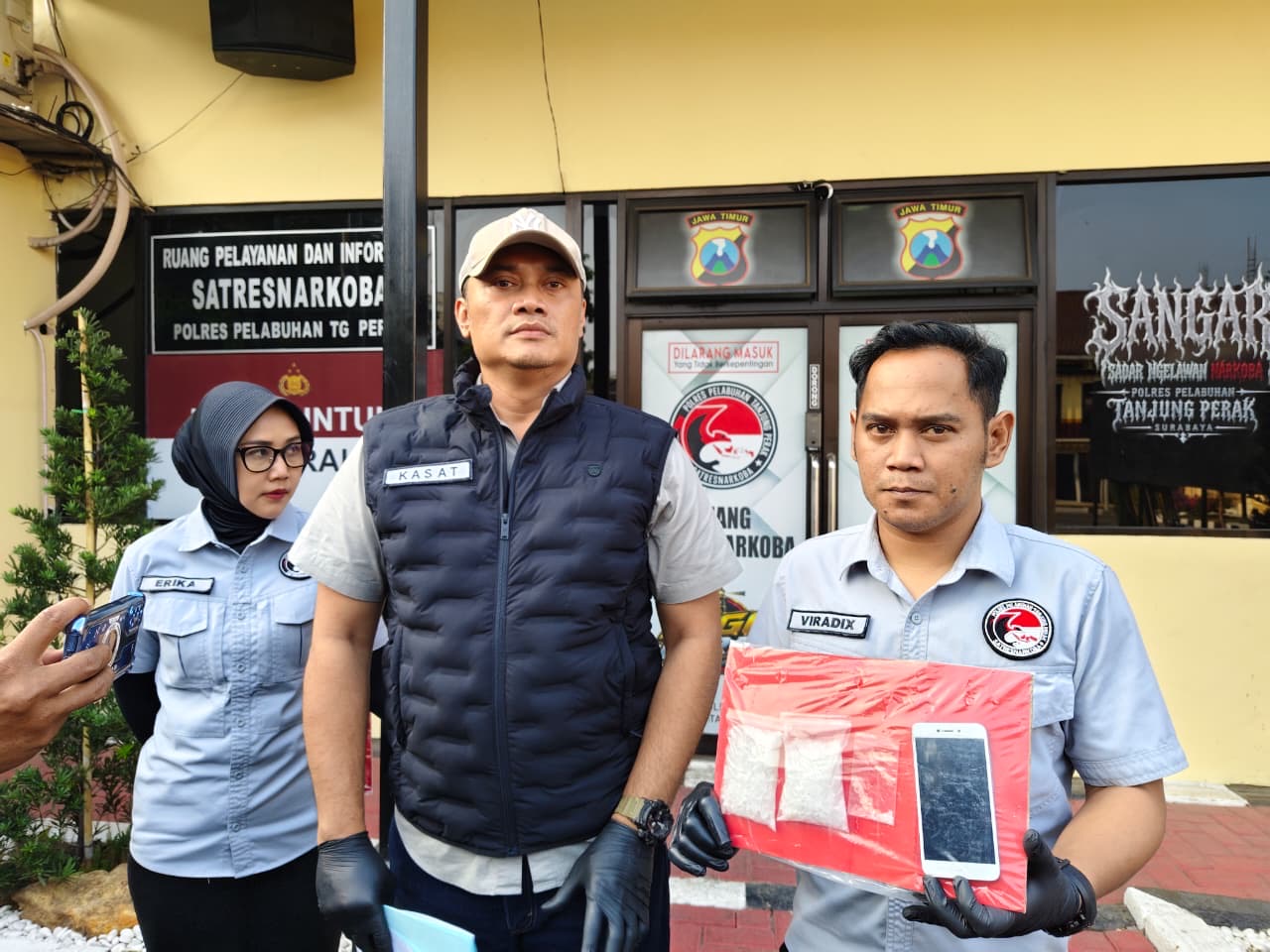
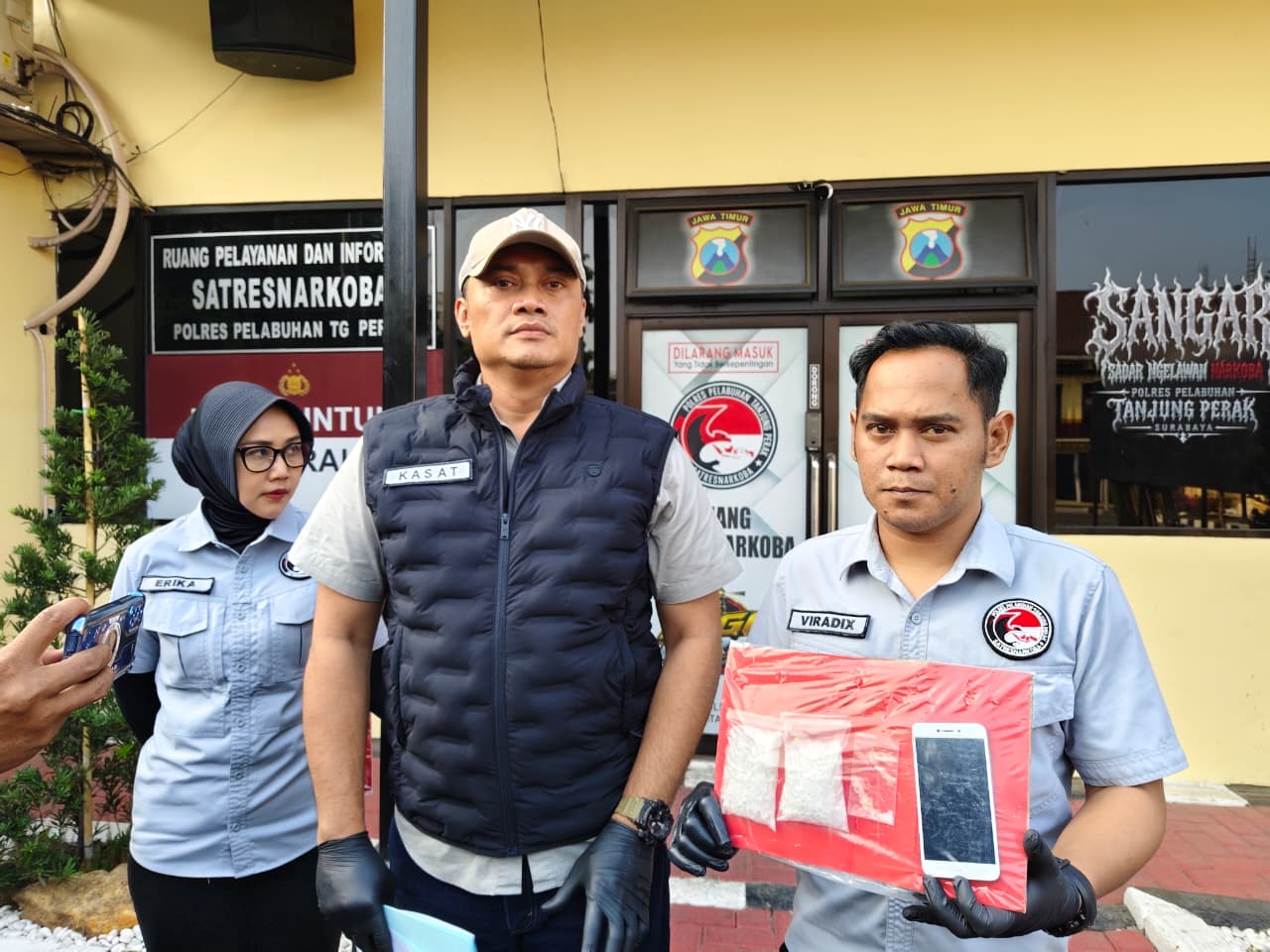
TANJUNGPERAK – Niat hati mencari jalan pintas untuk memenuhi kebutuhan hidup sekaligus memuaskan kecanduan, GS (35) justru harus menyudahi petualangan gelapnya di balik jeruji besi.
Warga Tegalsari, Surabaya ini diringkus Polisi setelah kedapatan menyimpan sabu seberat 100,72 gram.
Pelarian GS terhenti saat jajaran Satresnarkoba Polres Pelabuhan Tanjung Perak Polda Jatim menggerebeknya di sebuah rumah di kawasan Bratang Wetan, Wonokromo, Jumat (14/8/2026) bulan lalu.
Kasatresnarkoba Polres Pelabuhan Tanjung Perak, AKP Adik Agus Putrawan, menyatakan penggerebekan berjalan mulus tanpa perlawanan berkat pengintaian matang dari tim di lapangan.
“Kami menemukan tiga klip plastik plastik berisi kristal putih. Total berat kotornya mencapai 100,72 gram atau lebih dari satu ons,” ujar AKP Adik saat merilis kasus tersebut pada Kamis (24/9/2026).
Polisi juga mengamankan sebuah kantong plastik hitam dan ponsel milik tersangka sebagai barang bukti.
Penyidikan mendalam mengungkap bahwa GS hanyalah perpanjangan tangan dari seorang bandar besar berinisial Y alias Kemprek, yang kini berstatus buron (DPO). Menggunakan sistem ranjau tanpa tatap muka, GS bertindak sebagai ‘penjaga gudang’ yang siap mendistribusikan barang haram tersebut.
“Tersangka bergerak murni berdasarkan komando. Begitu ada instruksi dari Kemprek via telepon untuk memecah paket dan menaruhnya di titik tertentu, dia baru jalan,” kata AKP Adik.
Meski baru sebulan melakoni pekerjaan ini, ritme kerja GS terbilang sangat tinggi. Ia mengaku sudah tiga kali menerima pasokan dari Kemprek—mulai dari 25 gram, 50 gram, hingga kiriman terakhir seberat 1 ons yang berujung pada penangkapannya.
Dalam sehari, GS bahkan sanggup menyebar sabu ke 1 hingga 15 lokasi ranjau yang berbeda.
Di hadapan petugas, GS blak-blakan mengenai alasannya nekat masuk ke lingkaran hitam ini.
Selain diiming-imingi upah Rp35.000 per gram yang sukses terjual, ia juga mendapat fasilitas mengonsumsi sabu secara cuma-cuma.
“Motif utamanya untuk memenuhi kebutuhan sehari-hari. Tapi ada bonus lain yang membuatnya tergiur, yaitu bisa memakai sabu secara gratis dari sang bandar,” jelas AKP Adik.
Kini GS harus mempertanggungjawabkan perbuatannya untuk proses hukum lebih lanjut. Polisi masih terus memburu keberadaan Y alias Kemprek untuk memutus mata rantai jaringan ini. (*)
Berita
Ngaji Gus Baha Satukan Santri dan Jajaran Polri Se-Indonesia, 42 Ribu Peserta Gaungkan Semangat Kebangsaan
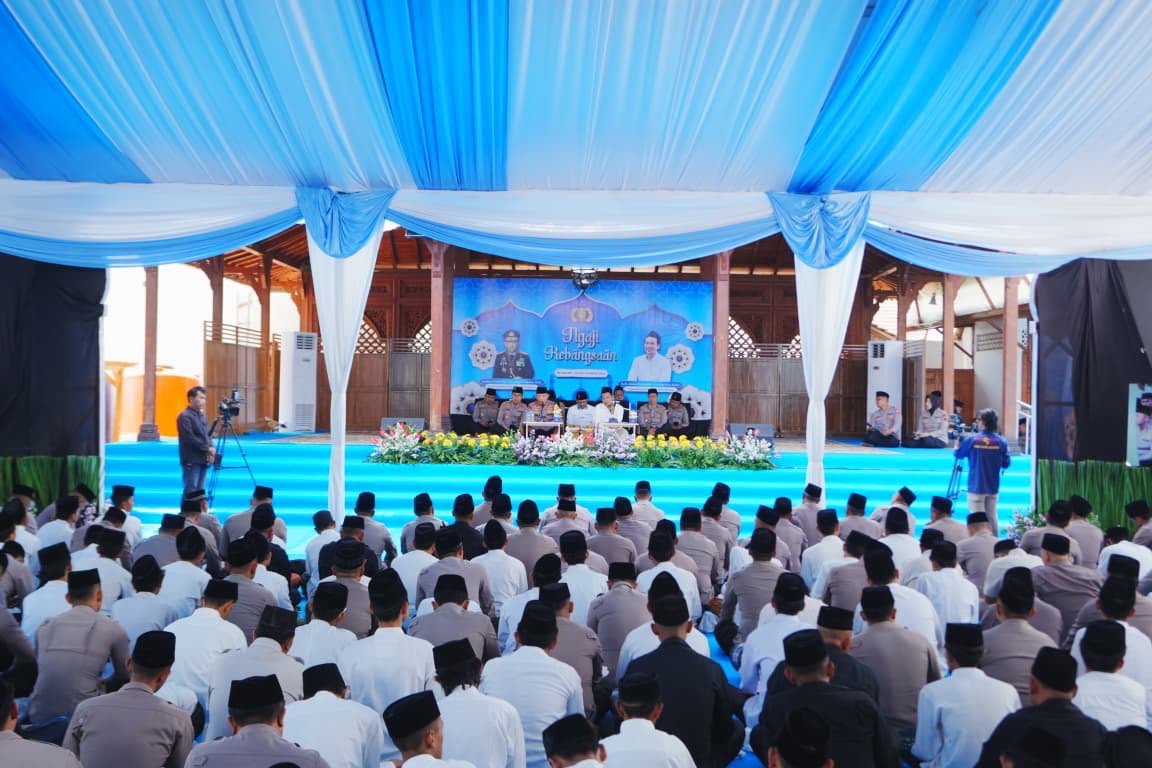
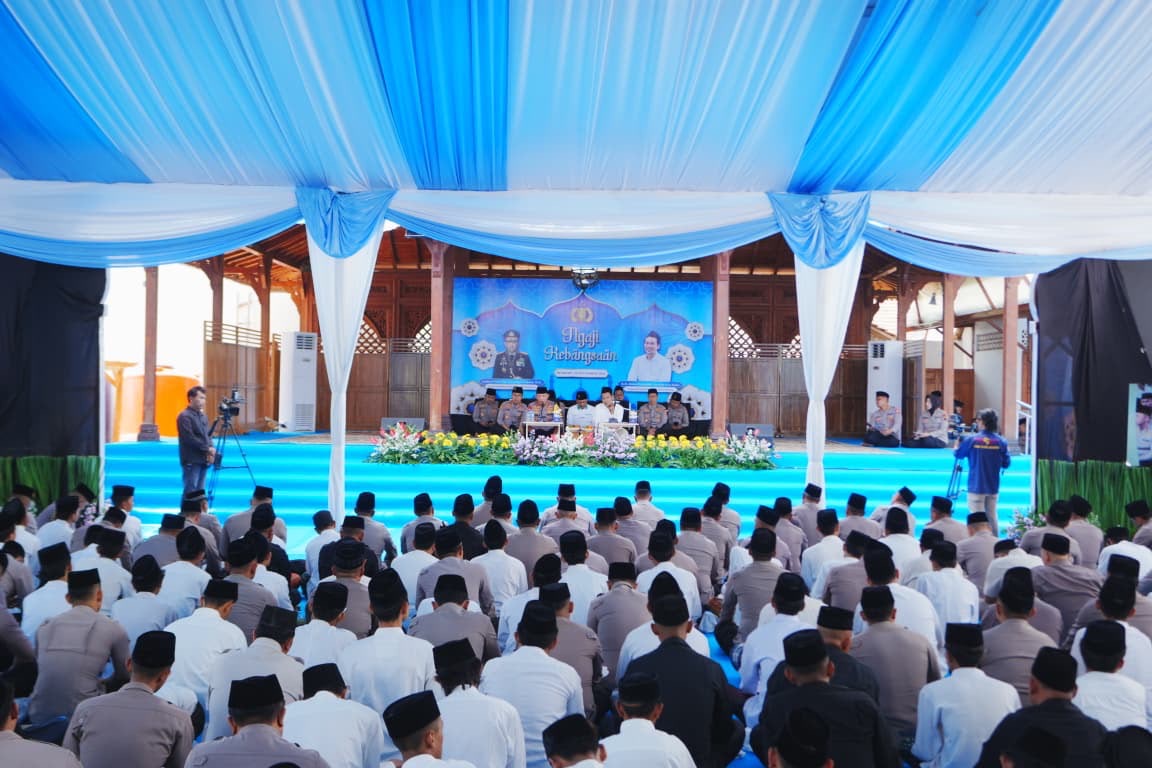
REMBANG – Ratusan santri dan personel Polri duduk bersama di Rembang, sementara puluhan ribu jajaran kepolisian terhubung secara virtual dari berbagai wilayah Indonesia. Ngaji Kebangsaan bersama K.H. Ahmad Bahauddin Nursalim atau Gus Baha menjadi ruang kebersamaan untuk memperkuat persatuan, semangat kebangsaan, dan pengabdian kepada masyarakat.
Kegiatan yang berlangsung di Pondok Pesantren Tahfidzul Qur’an LP3IA, Rembang, Jawa Tengah, Sabtu (26/9/2026), diikuti 700 peserta secara langsung, terdiri atas 100 Polwan, 300 Polki, dan 300 santri. Pada saat yang sama, 41.449 peserta mengikuti secara virtual, termasuk jajaran kepolisian dari berbagai daerah.
Kehadiran santri dan personel Polri dalam satu ruang, serta keterhubungan puluhan ribu peserta dari berbagai penjuru negeri, memberikan makna tersendiri. Mereka dipertemukan dalam pesan yang sama: menjaga persatuan, merawat keberagaman, dan memperkuat kebersamaan ulama dan umara dalam menjaga Indonesia.
Kapolri Jenderal Polisi Drs. Listyo Sigit Prabowo, M.Si., menyampaikan terima kasih kepada Gus Baha dan seluruh pengurus pesantren yang telah memberikan kesempatan kepada keluarga besar Polri untuk mengikuti Ngaji Kebangsaan.
Di hadapan para peserta, Kapolri mengingatkan bahwa ulama dan umara memiliki sejarah panjang perjuangan bersama, mulai dari merebut hingga mempertahankan kemerdekaan. Semangat tersebut kini diteruskan melalui tanggung jawab bersama untuk menjaga persatuan sekaligus membangun bangsa.
Kapolri menggambarkan ulama sebagai lentera dan kompas yang memberikan arah, nasihat, serta doa bagi bangsa dan negara. Sementara itu, Polri menjalankan tugas menjaga keamanan dan ketertiban serta memberikan perlindungan dan pengayoman kepada masyarakat agar pembangunan dapat terus berjalan.
Di tengah berbagai tantangan global, Kapolri juga mengajak seluruh peserta menjadikan keberagaman sebagai kekuatan bangsa. Perbedaan harus dikelola dengan baik agar tidak berkembang menjadi konflik yang merugikan masyarakat dan negara.
Kapolri turut menyampaikan bahwa tugas anggota Polri penuh risiko. Karena itu, ia memohon doa dan bimbingan para ulama, khususnya bagi personel yang sedang menjalankan tugas, agar senantiasa diberikan keselamatan, kekuatan, dan kemudahan.
Ngaji Kebangsaan pun menjadi lebih dari sekadar pertemuan di Rembang. Ratusan santri dan personel Polri yang hadir langsung serta puluhan ribu jajaran yang terhubung secara virtual menjadi bagian dari ikhtiar bersama untuk membawa semangat persatuan ke berbagai penjuru Indonesia.
Dari pesantren di Rembang hingga jajaran Polri di seluruh Indonesia, lebih dari 42 ribu peserta dipersatukan oleh satu semangat: ulama memberi arah, Polri menjaga keamanan, dan bersama-sama merawat persatuan untuk Indonesia yang aman, kuat, dan terus maju.
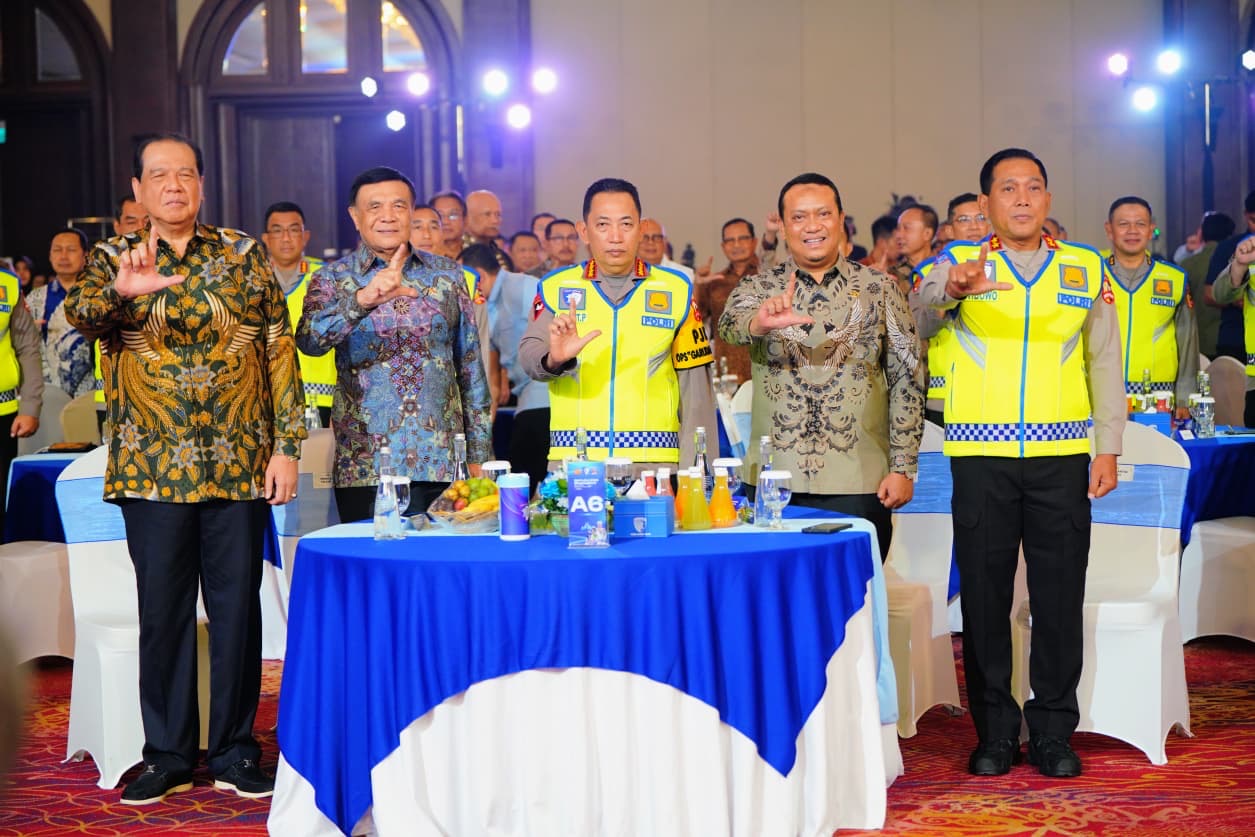
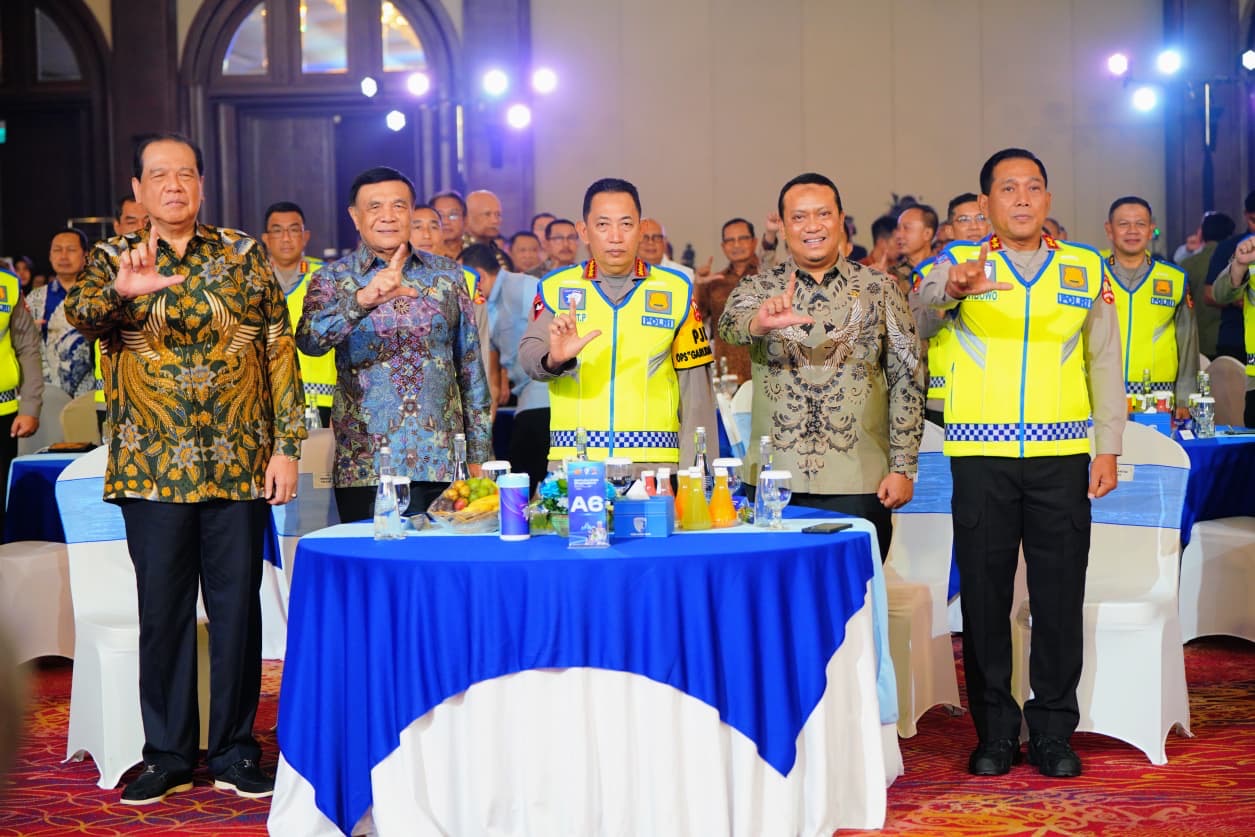
JAKARTA – Kapolri Jenderal Polisi Listyo Sigit Prabowo meluncurkan Sistem Pembayaran Denda Tilang melalui Digital Korlantas serta STNK Digital dalam rangka Syukuran Hari Lalu Lintas Bhayangkara ke-71 Tahun 2026 di Hotel Bidakara, Jakarta Selatan, Jumat (25/9/2026).
Peluncuran tersebut menjadi bagian dari penguatan transformasi digital pelayanan Korlantas Polri untuk memberikan kemudahan, kepastian, dan akses layanan yang lebih praktis kepada masyarakat.
Sistem Pembayaran Denda Tilang terintegrasi dalam aplikasi Digital Korlantas. Layanan ini memudahkan pelanggar untuk mengonfirmasi data dan membayar titipan denda secara digital, sekaligus mendukung proses pelimpahan dana ke Rekening Penampungan Lainnya Kejaksaan.
Mekanisme layanan dimulai dari pelanggaran yang terekam Electronic Traffic Law Enforcement atau ETLE. Setelah diverifikasi petugas Korlantas, pelanggar menerima notifikasi dan dapat mengecek serta mengonfirmasi data melalui aplikasi Digital Korlantas.
Pelanggar kemudian melakukan top up dan pembayaran titipan denda melalui LantasPay. Dana sebesar denda maksimal diteruskan ke Rekening Penampungan Lainnya Kejaksaan untuk proses persidangan.
Setelah putusan sidang diterbitkan, status perkara akan diperbarui melalui aplikasi. Apabila nilai putusan lebih rendah dari titipan denda, selisih dana dikembalikan ke saldo pengguna dan pelanggar menerima pemberitahuan mengenai putusan serta pengembalian tersebut.
Selain layanan pembayaran tilang, Korlantas Polri juga menghadirkan STNK Digital sebagai pelengkap dokumen fisik kendaraan. Melalui aplikasi Digital Korlantas, pemilik kendaraan dapat mengakses bukti legitimasi pengoperasian kendaraan secara praktis melalui telepon seluler.
Data STNK Digital terhubung dan divalidasi dengan pangkalan data kendaraan bermotor Korlantas Polri. Petugas dapat memverifikasi data kendaraan saat pemeriksaan di jalan melalui kode QR dinamis yang tersertifikasi secara digital.
STNK Digital juga dilengkapi perlindungan untuk mencegah halaman dokumen direkam maupun di-screenshot. Layanan ini diharapkan mempercepat verifikasi keabsahan dokumen kendaraan serta membantu mencegah pemalsuan.
Peluncuran kedua layanan tersebut sejalan dengan tema Hari Lalu Lintas Bhayangkara ke-71, “Polantas Presisi Mengabdi untuk Negeri”, dalam menghadirkan pelayanan lalu lintas yang semakin humanis, responsif, dan dekat dengan masyarakat.
-
 Polres1 minggu ago
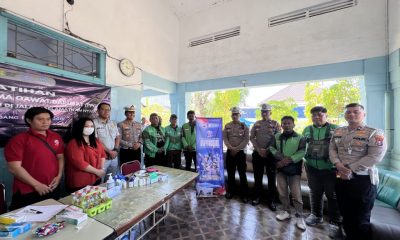
Satlantas Polres Pasuruan Kota Gandeng Komunitas Ojol dalam Bakti Kesehatan HUT Lalu Lintas ke-71
-
Polsek6 hari ago
Patroli Dialogis Polsek Lekok, Bangun Pondasi Kamtibmas melalui Kedekatan dan Komunikasi Bersama Masyarakat
-
 Berita6 hari ago
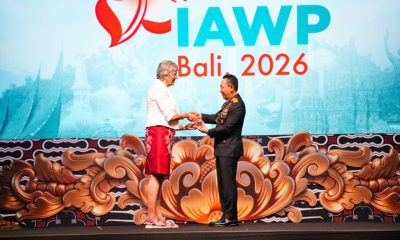
IAWP 2026, Kapolri: Perempuan Bukan Sekadar Bagian dari Perubahan
-
 Polres1 minggu ago
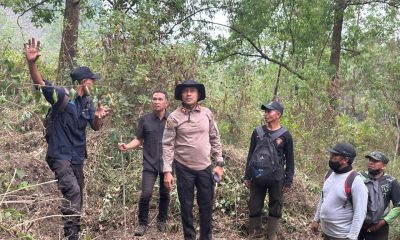
Polres Ngawi dan Tim Gabungan Buat Sekat Bakar dan Dirikan Posko Antisipasi Karhutla Lawu Utara Meluas
-

 Berita1 minggu ago
Komjen Pol. (P) Prof. Dr. Chrysnanda Dwilaksana, Dorong Penguatan Ilmu Kepolisian Bidang Lingkungan di Universitas Riau
-
 Berita1 minggu ago
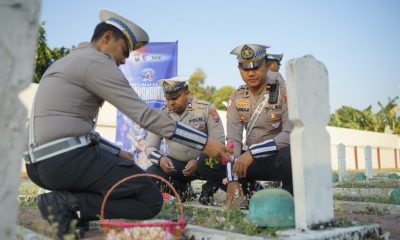
Ziarah ke TMP, Satlantas Polres Pasuruan Kota Kenang Jasa Pahlawan di HUT Lalu Lintas Bhayangkara ke-71
-
 Polres7 hari ago
Respon Laporan Warga, Polresta Sidoarjo Bongkar Arena Sabung Ayam di Dua Lokasi
-
 Polres1 minggu ago
Sentuh Hati! Aksi Cepat Polres Gresik Selamatkan Ekonomi Keluarga Driver Ojol Korban Kecelakaan