
Berita
Indonesia Siap Gelar AVC Men’s Champions League 2026 di Pontianak, Momentum Kebangkitan Voli Asia



JAKARTA – Indonesia kembali menegaskan posisinya sebagai salah satu pusat perkembangan bola voli di kawasan Asia. Hal ini ditandai dengan digelarnya acara Drawing & Press Conference AVC Men’s Champions League 2026 di Hotel Le Meridien, Jakarta, Minggu (15/3).
Kegiatan tersebut menjadi pembuka rangkaian turnamen bergengsi tingkat internasional yang akan mempertemukan klub-klub bola voli putra terbaik dari berbagai negara di Asia.
Sejumlah tokoh penting turut hadir dalam acara ini, antara lain Menteri Pemuda dan Olahraga RI Erick Thohir, Presiden Asian Volleyball Confederation (AVC) Ramon Suzara, Chief Business Officer Volleyball World Guido Betti, Presiden Persatuan Bola Voli Seluruh Indonesia (PBVSI) Imam Sudjarwo, serta Ketua Voli Polisi sekaligus Manajer Bhayangkara Presisi Pipit Rismanto.
Turnamen internasional tersebut dijadwalkan berlangsung pada 13–17 Mei 2026. Berbeda dari penyelenggaraan sebelumnya, panggung utama kompetisi klub-klub elite Asia kali ini akan digelar di GOR Terpadu Ahmad Yani, Pontianak, Kalimantan Barat.
Pemilihan Pontianak sebagai tuan rumah bukan tanpa alasan. Selain sebagai bentuk apresiasi terhadap antusiasme penonton lokal yang tinggi, keputusan ini juga menunjukkan semakin matangnya dukungan regulasi serta partisipasi sponsor di daerah untuk menyelenggarakan ajang olahraga bertaraf internasional. Penyelenggaraan di luar Jakarta diharapkan mampu memperluas euforia dan pemerataan perkembangan olahraga voli di berbagai daerah di Indonesia.
Dalam kesempatan tersebut, Pipit Rismanto menekankan bahwa momentum besar ini sejatinya adalah milik para atlet, khususnya keluarga besar Bhayangkara Presisi. Menurutnya, kerja keras serta jam terbang para pemain di lapangan menjadi faktor penting yang membawa kompetisi kelas dunia seperti AVC Men’s Champions League kembali digelar di Indonesia.
“Prestasi yang telah diukir tidak hanya membawa piala ke lemari penghargaan, tetapi juga menghadirkan inspirasi bagi jutaan anak muda di berbagai daerah yang saat ini sedang berlatih bola voli di kampung-kampung mereka,” ujar Pipit.
Sementara itu, Erick Thohir menekankan pentingnya menjaga standar penyelenggaraan internasional guna meningkatkan nilai jual olahraga nasional di kancah global. Ia berharap ajang ini dapat menjadi batu loncatan bagi atlet Indonesia untuk terus meningkatkan prestasi di tingkat dunia.
Di sisi lain, Ramon Suzara menyampaikan apresiasi atas komitmen Indonesia dalam memajukan bola voli Asia. Menurutnya, kesiapan infrastruktur serta ekosistem olahraga di Indonesia, termasuk di Pontianak, menjadikan Indonesia sebagai salah satu mitra strategis penting bagi federasi bola voli Asia.
Keberhasilan membawa ajang internasional ke Pontianak menjadi bukti bahwa ekosistem olahraga nasional semakin matang. Hal tersebut ditopang oleh tiga pilar utama, yakni kualitas atlet yang mampu bersaing di level Asia, antusiasme suporter Indonesia yang dikenal sangat fanatik, serta sinergi kuat antara pemerintah, federasi olahraga, dan dukungan sponsor dalam memastikan penyelenggaraan turnamen berjalan secara profesional.
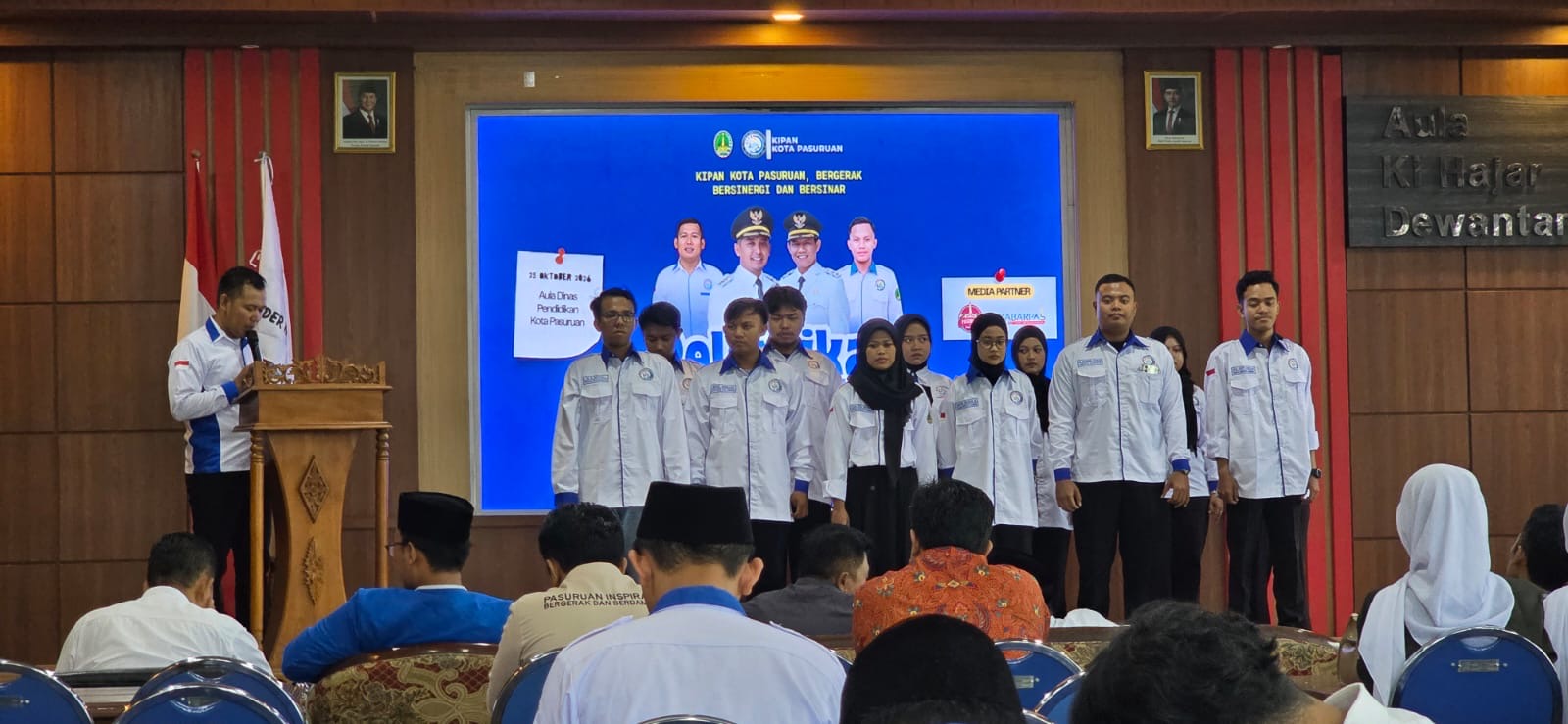
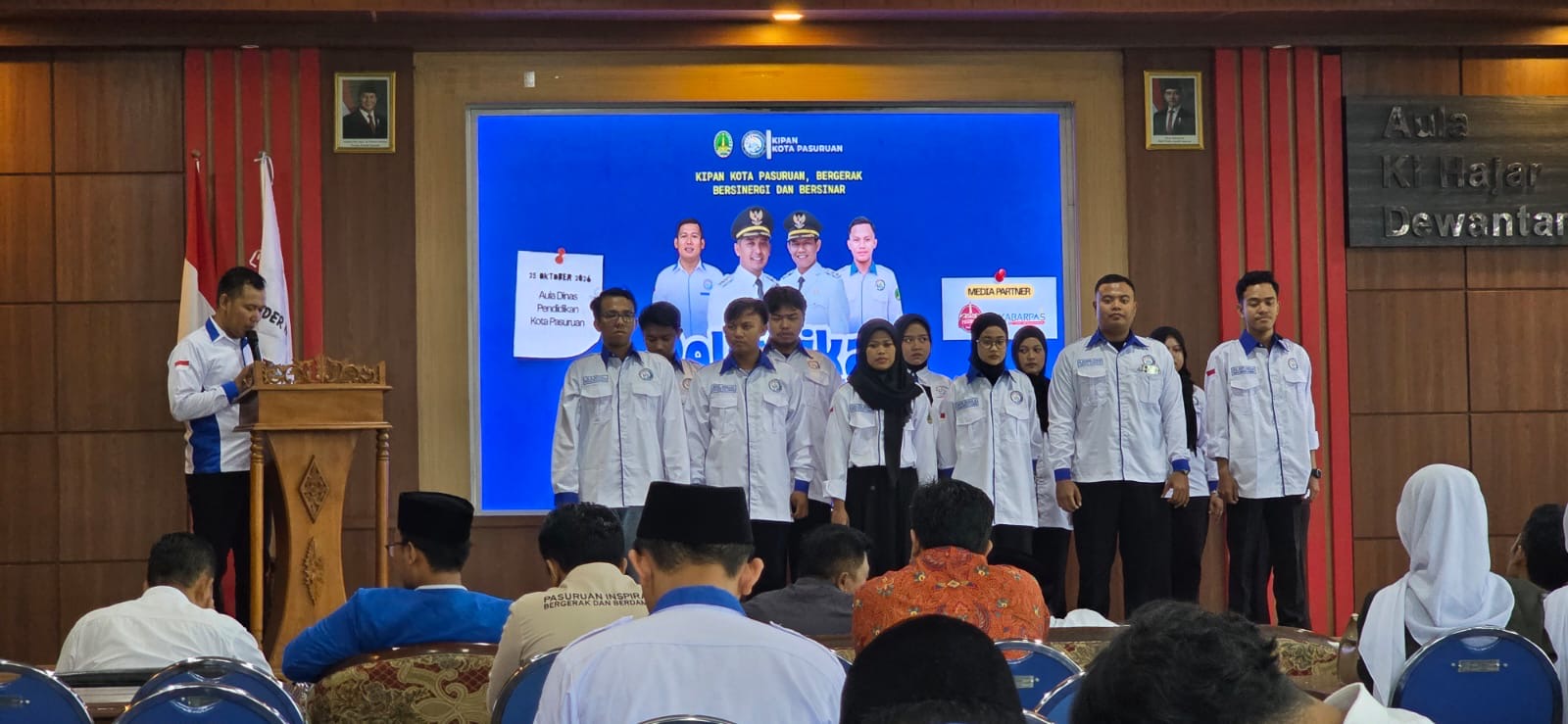
PASURUAN – Melindungi generasi muda dari bahaya narkoba membutuhkan kepedulian dan kerja sama berbagai pihak. Semangat tersebut mewarnai pelantikan pengurus Kader Inti Pemuda Anti Narkoba (KIPAN) Kota Pasuruan yang dirangkai dengan workshop bertema “Pemuda Bergerak Bersinergi dan Bersinar” di Aula Dinas Pendidikan Kota Pasuruan.
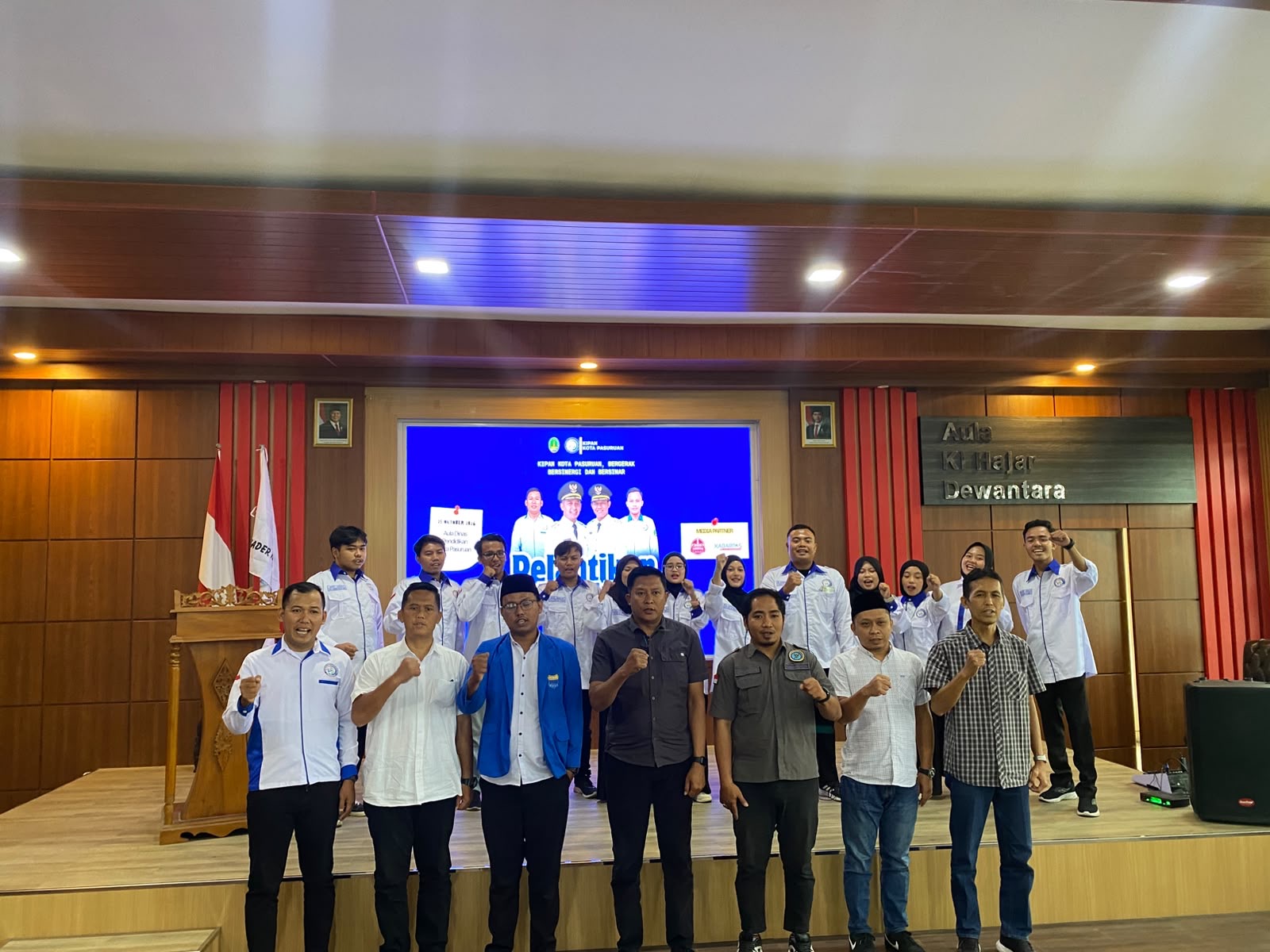
Prosesi pelantikan dipimpin langsung oleh Ketua KIPAN Jawa Timur, Ihiyak Ulumudin. Kegiatan ini dihadiri Pembina KIPAN Kota Pasuruan Adi Nur Aziz, S.H., M.H., perwakilan BNNK Pasuruan, Kasat Resnarkoba Polres Pasuruan Kota AKP Ronny Margas, S.H., M.H., Kasat Intelkam Polres Pasuruan Kota, serta perwakilan Dinas Pariwisata, Pemuda, dan Olahraga.
Turut hadir berbagai organisasi kepemudaan dan kemahasiswaan, di antaranya KNPI, IPNU, IPPNU, GP Ansor, BEM Pasuruan, dan PC PMII Pasuruan.
Rangkaian kegiatan diawali dengan sambutan Ketua Pelaksana, Intan Firdatul Firdaus. Selanjutnya, Ketua KIPAN Kota Pasuruan yang baru dilantik, Moch. Abdillah, menegaskan komitmen pengurus untuk mengambil peran aktif dalam pencegahan penyalahgunaan narkoba di kalangan generasi muda.
“KIPAN Kota Pasuruan siap bergerak dan bersinergi secara nyata dengan seluruh elemen, mulai dari Pemerintah Kota, BNNK, Polresta, hingga kawan-kawan organisasi kepemudaan lainnya. Sesuai tema pelantikan dan workshop kita hari ini, pemuda harus bersinar dengan prestasi, bukan terpuruk karena narkoba,” tegas Abdillah.
Ia juga mengajak organisasi pemuda yang hadir untuk memperkuat kebersamaan dan mewujudkan program yang menyentuh masyarakat secara langsung.
“Kita tidak boleh hanya berhenti pada seremonial pelantikan. Mulai hari ini, mari kita ubah semangat menjadi gerakan nyata di akar rumput. KIPAN akan terus turun ke lapangan dan memastikan masa depan pemuda Kota Pasuruan aman dari ancaman narkotika,” tambahnya.
Sementara itu, Kasat Resnarkoba Polres Pasuruan Kota, AKP Ronny Margas, S.H., M.H., menekankan pentingnya keterlibatan pemuda dalam memperkuat edukasi dan pencegahan penyalahgunaan narkoba di lingkungan masing-masing.
“Pencegahan penyalahgunaan narkoba membutuhkan kepedulian bersama. Kami mengajak kader KIPAN menjadi penggerak edukasi di lingkungan pergaulan, sekolah, kampus, dan masyarakat. Ajak teman-teman mengisi waktu dengan kegiatan positif serta bangun keberanian untuk menolak penyalahgunaan narkoba,” ujar AKP Ronny Margas.
Selain pelantikan, kegiatan dilanjutkan dengan workshop yang dipandu Marisa Maziah R., selaku Bendahara KIPAN Kota Pasuruan, sebagai moderator.
Workshop menghadirkan Dr. Zainul Arifin, S.Pd., M.M., selaku Dewan Pengarah KIPAN Nasional, dengan materi “Pemuda sebagai Pelopor dalam Gerakan Anti Narkoba”. Pemateri berikutnya, Muhammad Zaini selaku Sekretaris KIPAN Kabupaten Pasuruan, menyampaikan materi “Manajemen Organisasi: Mengubah Semangat Menjadi Gerakan Nyata”.
Melalui pelantikan dan pembekalan tersebut, pengurus KIPAN Kota Pasuruan diharapkan mampu menyusun program yang terarah, memperluas edukasi tentang bahaya narkoba, serta memperkuat kolaborasi untuk mewujudkan generasi muda yang sehat, berprestasi, dan bersih dari narkoba.
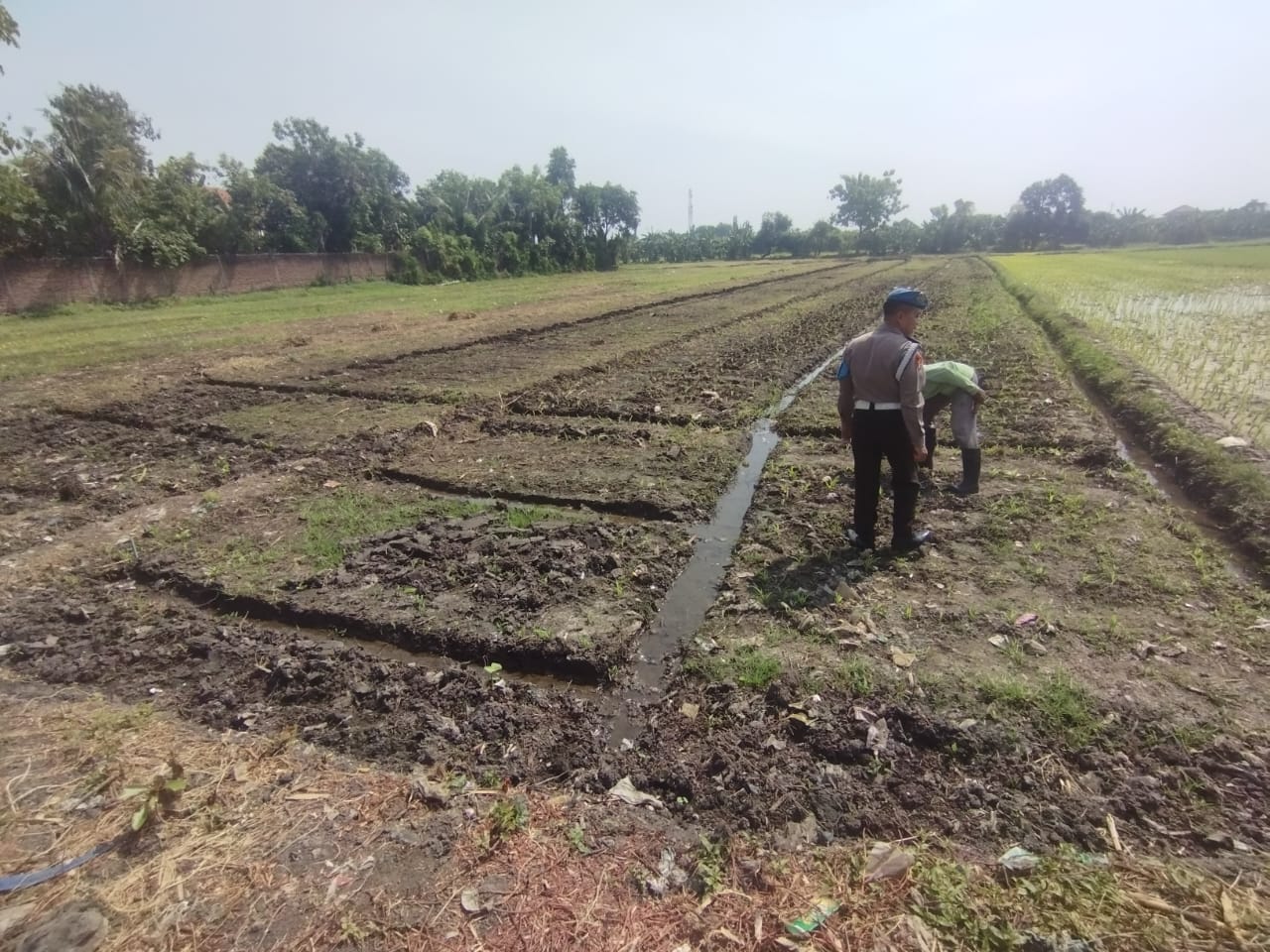
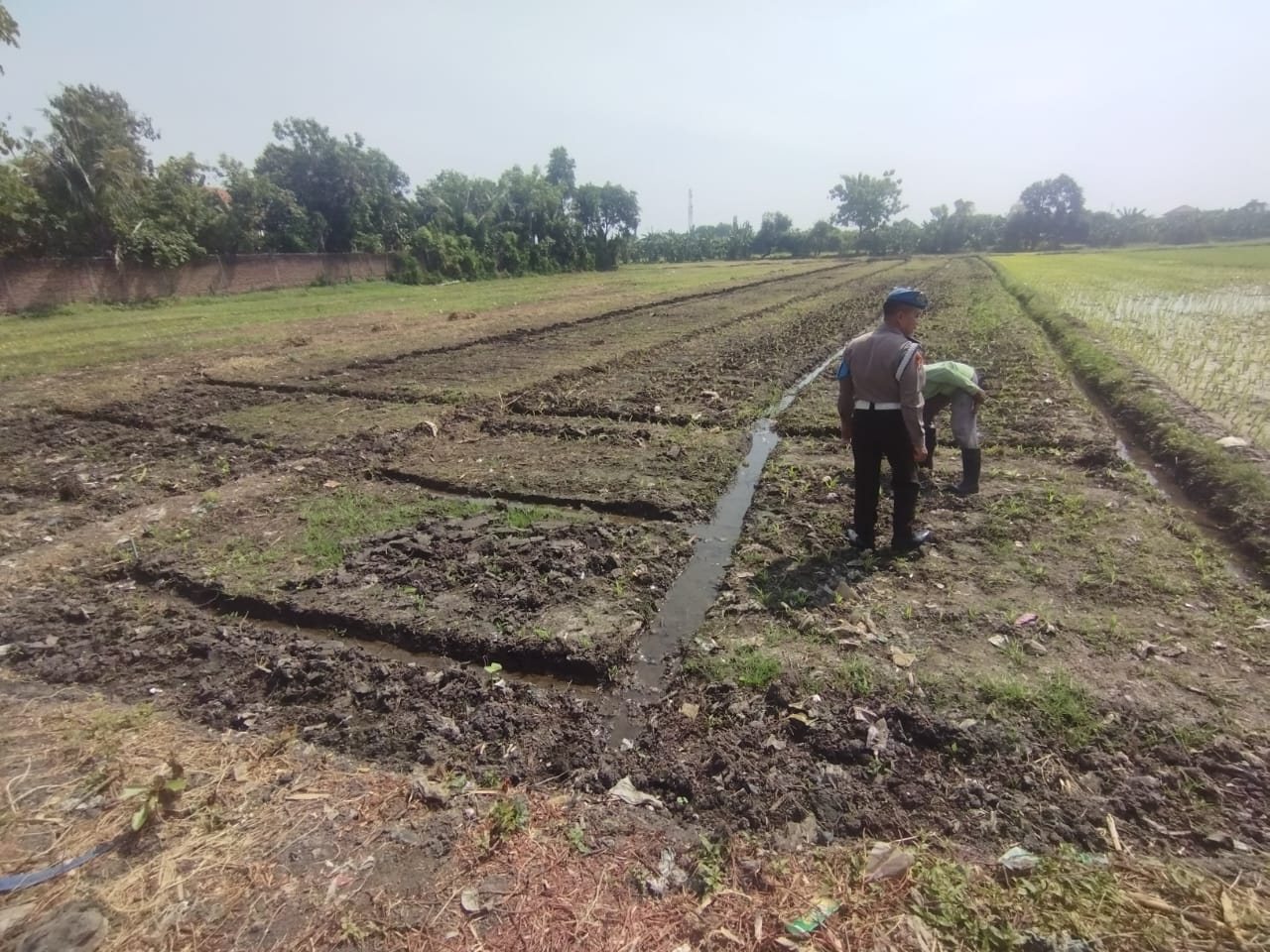
Polresta Pasuruan – Dalam mendukung program ketahanan pangan nasional, Bhabinkamtibmas Kelurahan Pohjentrek, Polsek Purworejo, Polres Pasuruan Kota, Polda Jatim, melaksanakan sambang dan monitoring kepada para petani yang mengelola lahan pertanian di Kelurahan Pohjentrek, Kecamatan Purworejo, Kota Pasuruan, Minggu (25/10/2026).
Melalui kegiatan tersebut, Bhabinkamtibmas turun langsung menemui para petani untuk menjalin komunikasi, memantau aktivitas pertanian, serta mengetahui perkembangan dan kendala yang dihadapi dalam pengelolaan lahan.
Kehadiran Polri di tengah masyarakat diharapkan dapat memberikan motivasi kepada para petani agar terus bersemangat mengembangkan sektor pertanian.
Kegiatan ini sekaligus menjadi bentuk dukungan Polri terhadap upaya pemerintah dalam memperkuat ketahanan pangan, meningkatkan produktivitas pertanian, dan mewujudkan swasembada pangan nasional.
Kapolsek Purworejo Kompol Suwiji, S.H., menyampaikan bahwa Bhabinkamtibmas memiliki peran penting dalam mendampingi masyarakat di wilayah binaan, termasuk menjalin komunikasi dan memberikan dukungan kepada para petani.
“Kami mendorong Bhabinkamtibmas untuk terus hadir di tengah masyarakat dan menjalin kedekatan dengan para petani. Melalui kegiatan sambang dan monitoring ini, kami berharap para petani semakin termotivasi untuk mengembangkan sektor pertanian demi mendukung ketahanan pangan dan mewujudkan swasembada pangan nasional,” ungkapnya.
Polsek Purworejo berkomitmen untuk terus mendukung program ketahanan pangan melalui peran aktif Bhabinkamtibmas serta sinergi bersama masyarakat. Dengan kerja sama yang baik, diharapkan sektor pertanian semakin berkembang dan memberikan manfaat bagi kesejahteraan masyarakat.
#astacita
#polrespasuruankota
#birosdmpoldajatim
#ketahananpanganpoldajatim
#polisibersamamasyarakat
#swasembadapangan
#swasembadajagung
#polisicintapetani
#astacitapresiden
Berita
Cegah Kriminalitas di Jam Rawan, Polsek Pohjentrek Gencarkan Patroli Paskot SAE hingga Dini Hari
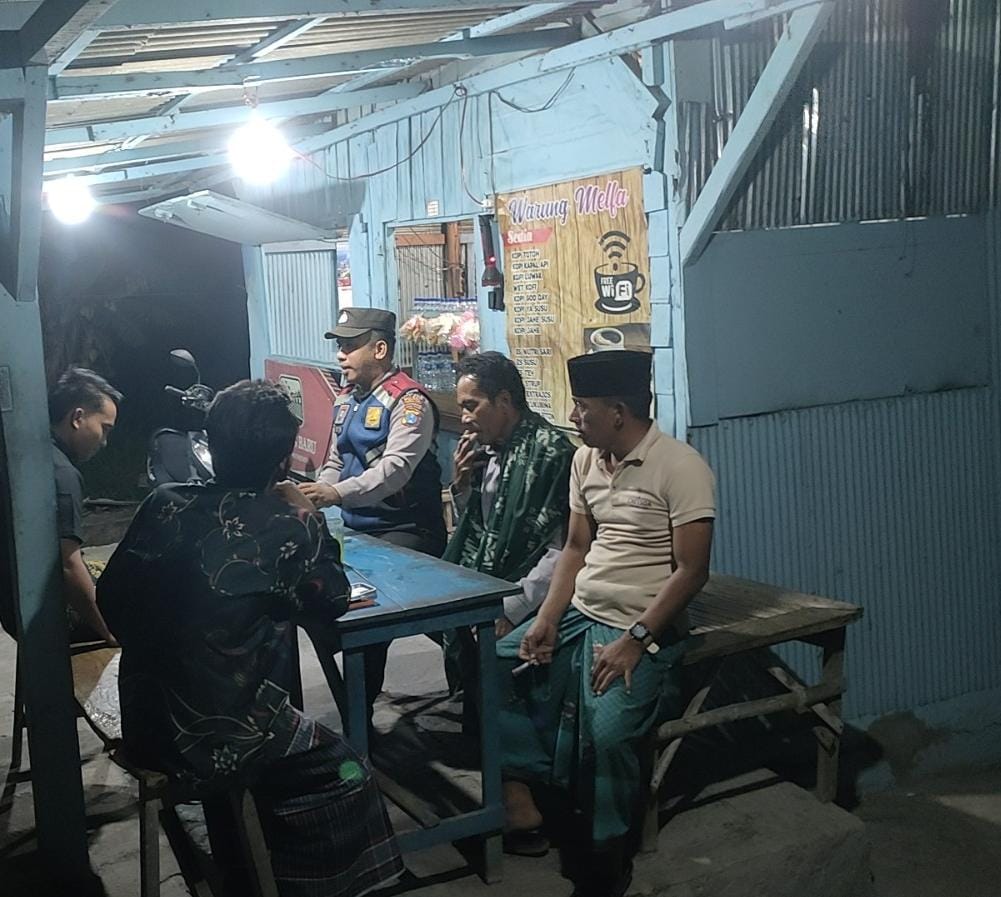
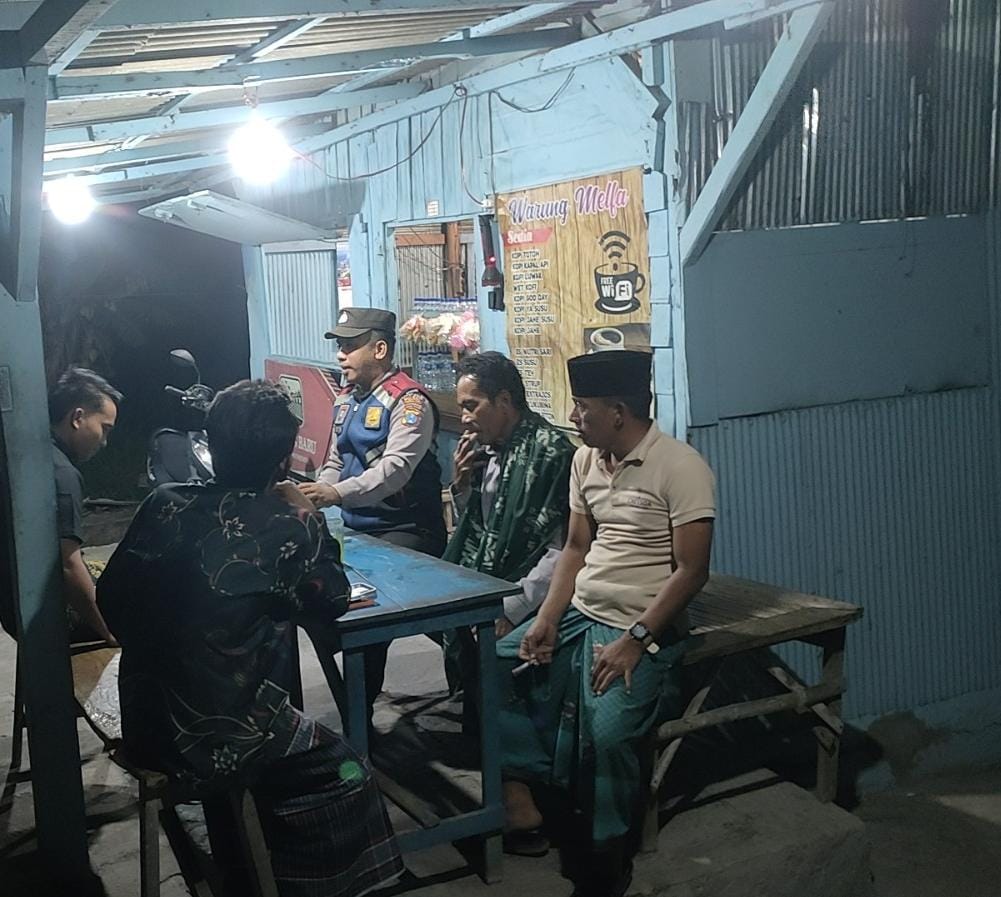
Polresta Pasuruan – Guna mengantisipasi aksi kriminalitas pada jam rawan dini hari, personel Polsek Pohjentrek, Polres Pasuruan Kota, Polda Jatim, mengintensifkan patroli Paskot SAE (Sigap, Amanah, Empati). Minggu (25/10/2026).
Kegiatan ini dilakukan sebagai upaya menjaga keamanan dan ketertiban masyarakat (kamtibmas) serta memberikan rasa aman bagi warga di wilayah hukum Polsek Pohjentrek.
Dalam pelaksanaannya, personel melakukan patroli di sejumlah titik yang berpotensi terjadi gangguan kamtibmas.
Selain memantau situasi lingkungan, Polsek Pohjentrek juga melaksanakan dialogis bersama masyarakat untuk menyampaikan imbauan agar tetap waspada, menjaga keamanan lingkungan, dan segera melaporkan kepada kepolisian apabila menemukan aktivitas mencurigakan.
Kapolsek Pohjentrek AKP Sukresna, S.H., menyampaikan bahwa patroli Paskot SAE merupakan langkah preventif untuk mencegah tindak kriminalitas sekaligus memperkuat kedekatan Polri dengan masyarakat.
“Patroli pada jam rawan dini hari terus kami optimalkan sebagai upaya mencegah aksi kriminalitas dan menjaga situasi tetap kondusif. Kami juga mengajak masyarakat untuk bersama-sama menjaga keamanan lingkungan serta tidak ragu melaporkan apabila mengetahui adanya hal yang mencurigakan,” ujar AKP Sukresna.
Melalui patroli rutin dan dialogis, Polsek Pohjentrek berkomitmen untuk terus hadir di tengah masyarakat guna menciptakan situasi kamtibmas yang aman, nyaman, dan kondusif.
-
Berita1 minggu ago
Patroli Akhir Pekan Polsek Keboncandi, Tingkatkan Kamtibmas Aman dan Kondusif
-
Berita1 minggu ago
Bhabinkamtibmas Kawisrejo Dampingi Petani Jagung, Dukung Ketahanan Pangan
-
 Berita1 minggu ago
Kapolres Pasuruan Kota Hadiri Anniversary Paguyuban Ojol, Perkuat Sinergitas dan Kebersamaan
-
 Berita1 minggu ago
Polres Pasuruan Kota Gelar Bimtek, Tingkatkan Kompetensi Pelayanan Publik Ramah Bagi Kelompok Rentan
-
 Polres6 hari ago
Polisi Bersama Masyarakat: Kapolres Madiun Kota Ngopi Bareng Warga,Serap Aspirasi Perkuat Kamtibmas
-
 Berita1 minggu ago
Polri: Imbau Masyarakat Waspadai Risiko Judi Online, Tingkatkan Kesadaran Diri Jaga Keluarga
-

 Polres1 minggu ago
Perkuat Semangat Polisi Bersama Masyarakat, Polresta Malang Kota Gelar Minggu Kasih
-
Polsek1 minggu ago
Antisipasi Kerawanan di Tengah Kelangkaan Solar, Polsek Pohjentrek Intensifkan Patroli SPBU