
Berita
Jelang Mudik Lebaran, Polda Jatim Cek Kesiapan Pos Terpadu di Pelabuhan Tanjung Perak

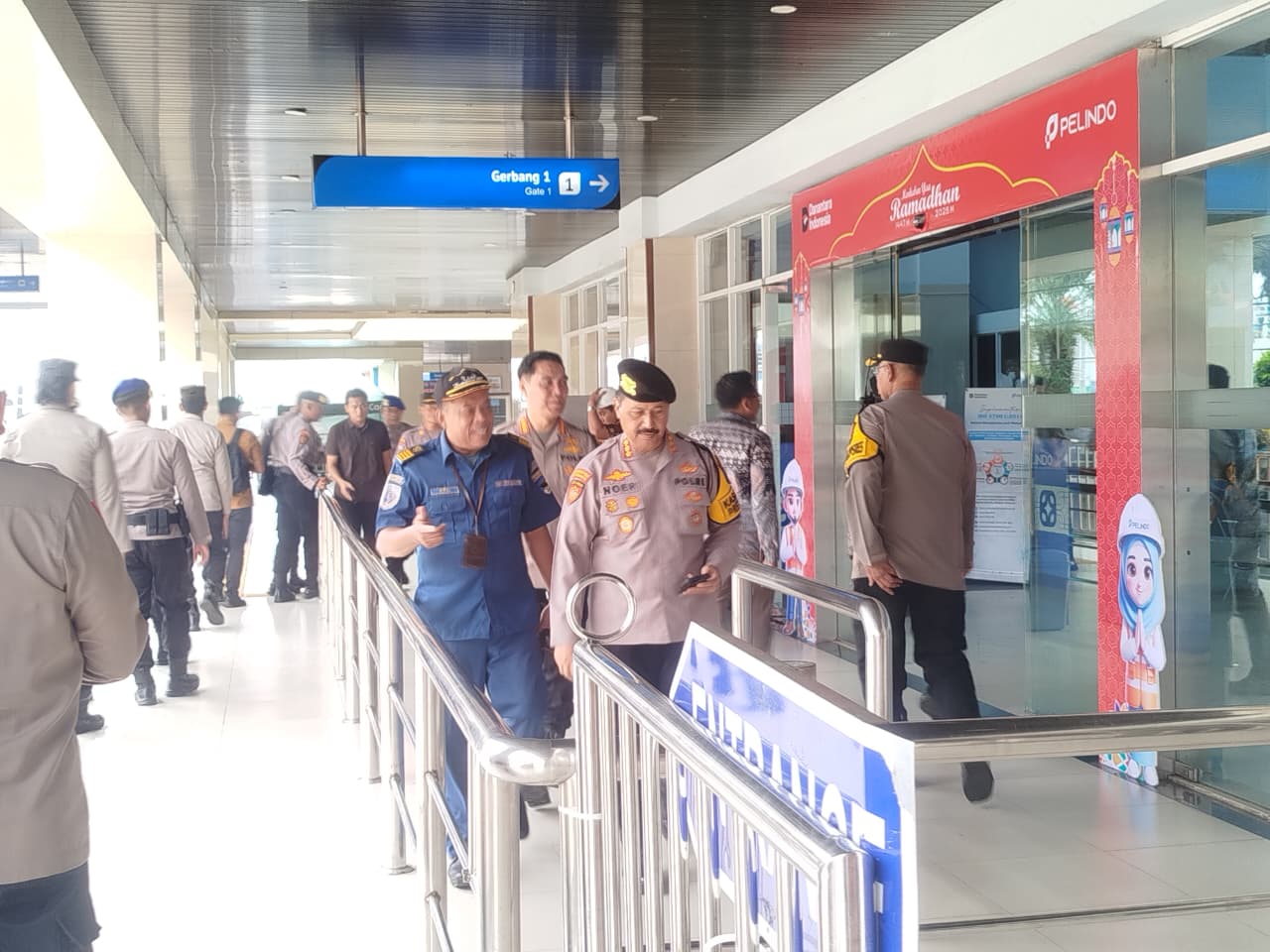
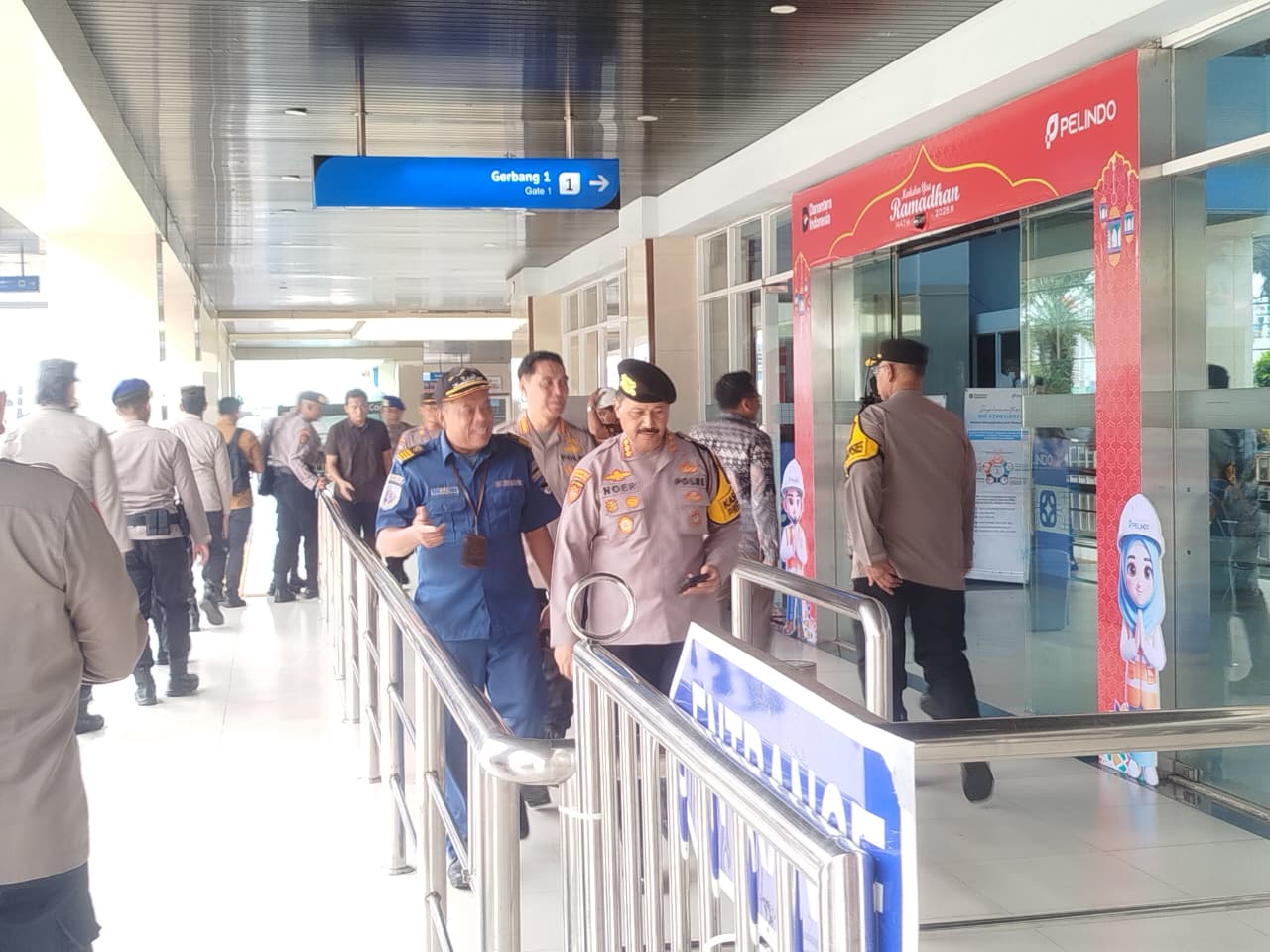
SURABAYA – Menjelang arus mudik Hari Raya Idulfitri 1447 Hijriah, Polda Jawa Timur memastikan kesiapan sarana dan prasarana pengamanan.
Karoops Polda Jatim Kombes Pol Nurhandono memimpin langsung pengecekan Pos Terpadu Operasi Ketupat Semeru 2026 di Terminal Penumpang Gapura Surya Nusantara (GSN), Pelabuhan Tanjung Perak, Surabaya, Jumat (13/3/2026).
Pos Terpadu tersebut akan melayani ribuan penumpang yang diperkirakan meningkat selama periode Angkutan Lebaran 2026.
Rombongan pejabat utama Polda Jatim tiba di lokasi sekitar pukul 13.25 waktu setempat.
Dalam peninjauan tersebut, Karoops didampingi oleh Dirsamapta Polda Jatim, Kombes Pol Noerwiyanto, Kabidhumas Polda Jatim, Kombes Pol Jules Abraham Abast serta Kapolres Pelabuhan Tanjung Perak, AKBP Wahyu Hidayat.
Kabid Humas Polda Jatim, Kombes Pol Jules Abraham Abast mengatakan, pengecekan ini bertujuan untuk memvalidasi kesiapan personel maupun fasilitas penunjang di pos terpadu.
Hal itu dilakukan guna memberikan pelayanan maksimal serta menjamin keamanan dan kenyamanan bagi para pemudik yang menggunakan moda transportasi laut.
Kombes Pol Abast yang juga selaku Kasatgas Humas Operasi Ketupat Semeru 2026 Polda Jatim menambahkan, Terminal GSN merupakan titik krusial yang memerlukan perhatian khusus.
Menjelang periode Angkutan Lebaran 2026, lanjut Kombes Pol Abast, Terminal Penumpang Gapura Surya Nusantara terus mematangkan berbagai kesiapan dengan sinergi lintas sektor dalam pelayanan pengamanan Idulfitri.
“Hal ini kami lakukan sebagai langkah antisipatif terhadap potensi peningkatan jumlah penumpang, baik pada arus mudik maupun arus balik,” ujarnya.
Selain mengecek fisik bangunan pos, jajaran kepolisian juga melakukan koordinasi terkait skema pengaturan alur penumpang agar tidak terjadi penumpukan di area terminal.
Penyiagaan personel secara maksimal menjadi prioritas utama untuk memastikan seluruh standar operasional prosedur (SOP) pengamanan berjalan dengan baik.
“Kami menyiagakan personel untuk memaksimalkan pelayanan mudik jalur laut. Fokus kami adalah keselamatan masyarakat dan kelancaran sirkulasi penumpang di pelabuhan,” pungkas Kombes Pol Abast.
Kesiapan ini diharapkan memberikan rasa aman bagi masyarakat yang hendak pulang ke kampung halaman melalui Pelabuhan Tanjung Perak, sekaligus memastikan Operasi Ketupat Semeru 2026 berjalan efektif dan humanis dalam mewujudkan Mudik Aman, Keluarga Bahagia. (*)
Polresta Pasuruan — Polsek Pohjentrek melaksanakan patroli Harkamtibmas pada siang hari, Rabu, 23 September 2026, sebagai upaya menjaga keamanan dan ketertiban masyarakat di wilayah hukum Polsek Pohjentrek. Kegiatan patroli salah satunya dilaksanakan di Jalan Raya Kejayan, Desa Warungdowo, Kecamatan Pohjentrek, Kabupaten Pasuruan.
Dalam kegiatan tersebut, personel Polsek Pohjentrek melakukan pemantauan situasi keamanan dan aktivitas masyarakat di sepanjang jalur yang dilalui. Patroli juga dilakukan sebagai langkah preventif untuk mengantisipasi berbagai potensi gangguan kamtibmas serta memberikan rasa aman dan nyaman kepada masyarakat yang sedang beraktivitas.
Petugas turut mengimbau kepada masyarakat dan pengguna jalan agar senantiasa menjaga ketertiban, mematuhi peraturan lalu lintas, serta meningkatkan kewaspadaan terhadap lingkungan sekitar. Kehadiran anggota kepolisian di tengah masyarakat diharapkan dapat menciptakan situasi yang aman, tertib, dan kondusif.
Kapolsek Pohjentrek AKP Sukrisno mengatakan bahwa patroli Harkamtibmas merupakan kegiatan rutin yang dilakukan sebagai bentuk pelayanan kepolisian kepada masyarakat. “Patroli ini merupakan upaya preventif untuk menjaga situasi kamtibmas tetap aman dan kondusif. Kami juga mengajak masyarakat untuk bersama-sama menjaga keamanan lingkungan dan segera melaporkan apabila menemukan adanya potensi gangguan kamtibmas,” ujarnya.
Dengan dilaksanakannya patroli secara rutin, Polsek Pohjentrek berkomitmen untuk terus hadir di tengah masyarakat dalam rangka menciptakan situasi kamtibmas yang aman, tertib, dan kondusif. Kegiatan tersebut sekaligus menjadi sarana untuk mempererat komunikasi serta membangun sinergi antara Polri dan masyarakat dalam menjaga keamanan di wilayah Kecamatan Pohjentrek.
Berita
Bhabinkamtibmas Desa Pasinan Dampingi Petani Jagung, Wujudkan Kehadiran Polri di Tengah Masyarakat
Polresta Pasuruan – Bhabinkamtibmas Desa Pasinan, Kecamatan Lekok, Kabupaten Pasuruan, melaksanakan kegiatan pendampingan kepada para petani jagung sebagai bentuk kepedulian dan kehadiran Polri di tengah masyarakat, Rabu (23/9/2026).
Dalam kegiatan tersebut, Bhabinkamtibmas turun langsung ke lahan pertanian dan berdialog dengan para petani. Selain memantau aktivitas pertanian, kegiatan ini juga menjadi sarana untuk menyerap aspirasi serta mengetahui berbagai kendala yang dihadapi petani dalam mengelola tanaman jagung.
Bhabinkamtibmas memberikan motivasi kepada para petani agar terus meningkatkan produktivitas pertanian serta menjaga dan memanfaatkan lahan secara optimal. Kehadiran anggota Polri di tengah masyarakat diharapkan dapat mempererat komunikasi sekaligus membangun hubungan yang harmonis dengan warga.
Kapolsek Lekok AKP Mawan Budi P mengatakan bahwa pendampingan kepada petani merupakan salah satu bentuk kepedulian Polri terhadap masyarakat, khususnya dalam mendukung sektor pertanian dan ketahanan pangan di wilayah Kecamatan Lekok.
“Bhabinkamtibmas harus selalu hadir di tengah masyarakat, termasuk mendampingi para petani. Dengan komunikasi secara langsung, kita dapat mengetahui kondisi di lapangan sekaligus memberikan dukungan dan motivasi kepada masyarakat,” ujar AKP Mawan Budi P.
Kegiatan pendampingan berlangsung aman dan lancar. Melalui kegiatan tersebut, Polsek Lekok berkomitmen untuk terus membangun sinergi dengan masyarakat serta mendukung berbagai kegiatan positif yang dapat meningkatkan kesejahteraan warga.
Polresta Pasuruan — Polsek Keboncandi melaksanakan patroli dialogis pada Rabu, 23 September 2026, sebagai bentuk kehadiran Polri di tengah masyarakat sekaligus upaya menjaga situasi keamanan dan ketertiban masyarakat (kamtibmas) tetap aman dan kondusif. Kegiatan patroli dilaksanakan di wilayah Desa Gayam, Kecamatan Gondangwetan, Kabupaten Pasuruan.
Dalam kegiatan tersebut, personel Polsek Keboncandi menyambangi masyarakat dan melakukan komunikasi secara langsung dengan warga. Selain memantau situasi lingkungan, petugas menyampaikan imbauan kamtibmas serta mengajak masyarakat untuk bersama-sama menjaga keamanan dan ketertiban di lingkungan masing-masing.
Patroli dialogis juga menjadi sarana bagi personel kepolisian untuk menyerap informasi maupun aspirasi masyarakat terkait situasi keamanan di wilayah Desa Gayam. Warga diimbau agar tetap meningkatkan kewaspadaan dan segera melaporkan kepada pihak kepolisian apabila mengetahui adanya potensi gangguan kamtibmas.
Kapolsek Keboncandi AKP Topo Utomo mengatakan bahwa patroli dialogis akan terus dilakukan sebagai langkah preventif untuk menciptakan situasi yang aman dan kondusif. “Kami ingin memastikan kehadiran Polri benar-benar dirasakan oleh masyarakat. Melalui patroli dialogis, anggota dapat berkomunikasi langsung dengan warga, menyampaikan imbauan kamtibmas, sekaligus mengetahui perkembangan situasi di lapangan,” ujarnya.
Polsek Keboncandi berkomitmen untuk terus meningkatkan kegiatan patroli dan pendekatan dialogis kepada masyarakat. Dengan adanya sinergi antara kepolisian dan warga, diharapkan keamanan dan ketertiban di wilayah hukum Polsek Keboncandi, khususnya Desa Gayam, dapat terus terjaga dalam keadaan aman, tertib, dan kondusif.
-
 Berita1 minggu ago
Sinergi TNI-Polri, Satlantas Polres Pasuruan Kota Edukasi Prajurit tentang Keselamatan Berlalu Lintas
-
 Berita1 minggu ago
Satlantas Pasuruan Kota Pasang Banner di Jalur Rawan Laka, Pengendara Diingatkan Utamakan Keselamatan
-
 Berita1 minggu ago
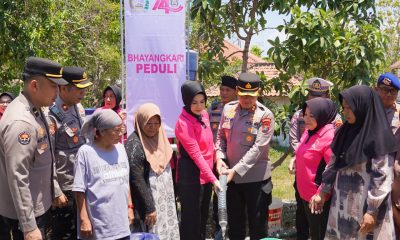
Atasi Krisis Air, Polres Bangkalan Distribusikan 48.000 Liter Air Bersih di Dua Kecamatan
-
 Polres1 minggu ago
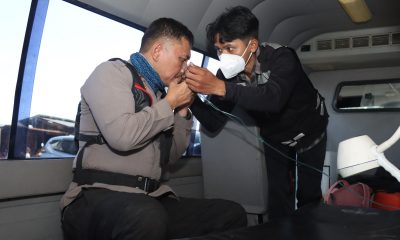
Polres Malang Libatkan Tim Dokkes, Menjaga Napas Para Penjinak Api Karhutla di Lereng Bromo
-
 Polres6 hari ago
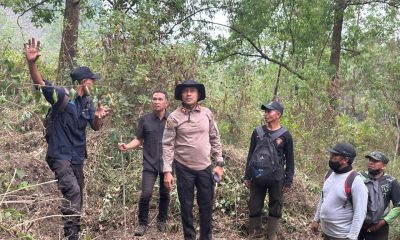
Polres Ngawi dan Tim Gabungan Buat Sekat Bakar dan Dirikan Posko Antisipasi Karhutla Lawu Utara Meluas
-
Polsek1 minggu ago
Polres Pasuruan Kota Dukung Ketahanan Pangan, Bhabinkamtibmas Dampingi Petani Jagung di Desa Tidu
-
 Berita1 minggu ago
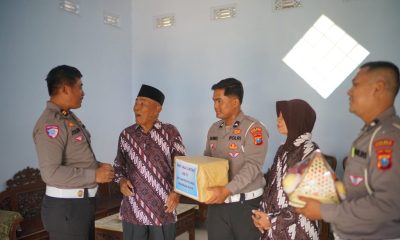
HUT Lantas ke-71, Satlantas Polres Pasuruan Kota Sambangi Purnawirawan IPTU Abadi
-
 Polres7 hari ago
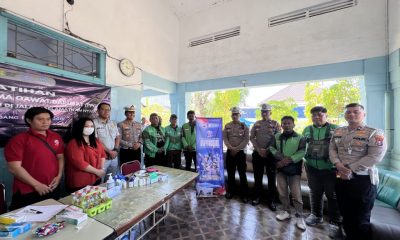
Satlantas Polres Pasuruan Kota Gandeng Komunitas Ojol dalam Bakti Kesehatan HUT Lalu Lintas ke-71