
Berita
Bagikan Takjil dan Buka Puasa Bersama Bareng Insan Pers, Kapolri: Suara Media Suara Publik

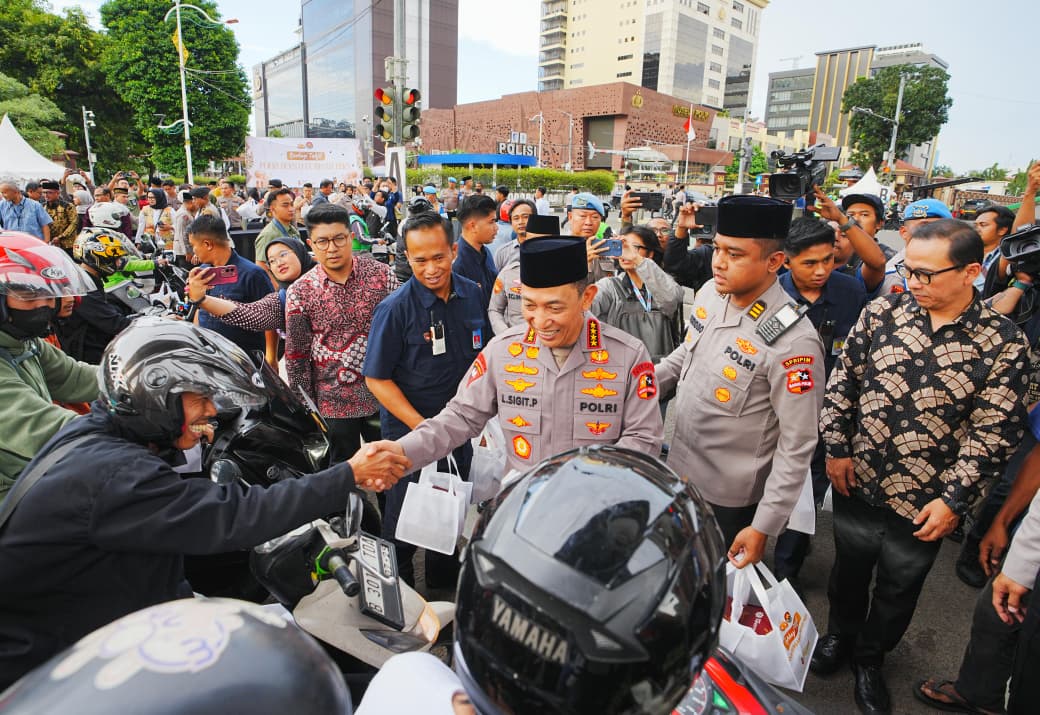
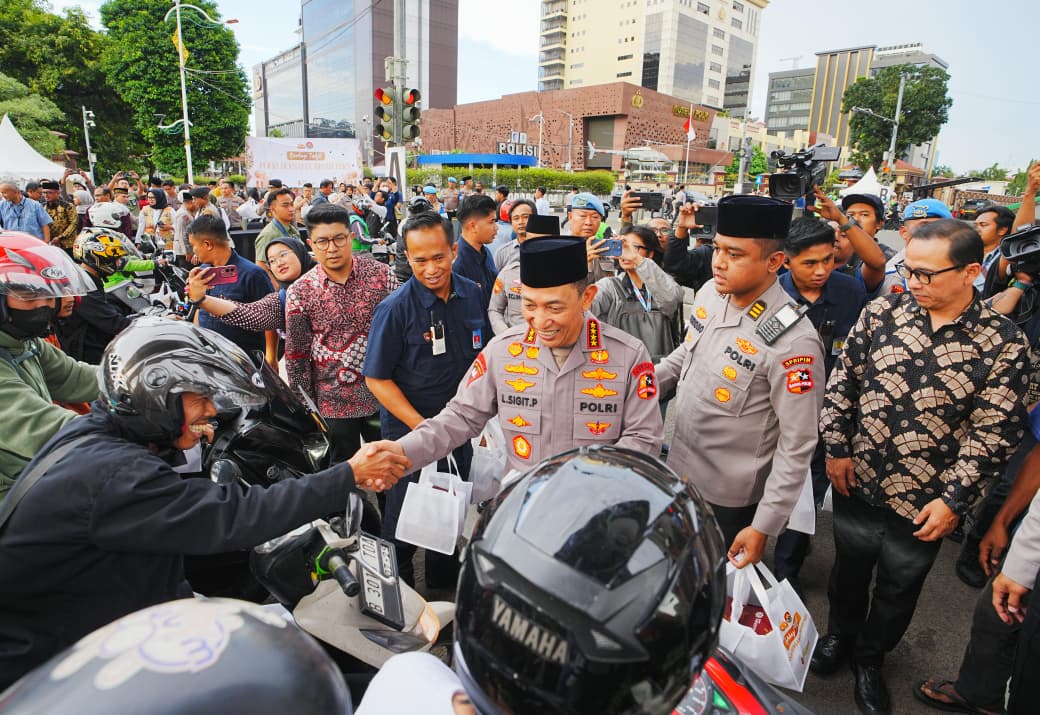
Jakarta – Kapolri Jenderal Listyo Sigit Prabowo menggelar kegiatan pembagian takjil hingga buka puasa bersama dengan insan pers. Acara ini merupakan bentuk silaturahmi sekaligus menguatkan sinergisitas antara Polri dengan media.
“Dan ini tentunya bagian dari upaya kita untuk terus menjaga tali silaturahmi, yang tentunya ini juga menjadi salah satu kekuatan,” kata Sigit di Gedung Rupatama Polri, Jakarta Selatan, Rabu (25/2/2026).
Acara dimulai dengan rangkaian berbagi takjil untuk masyarakat. Kapolri bersama pejabat utama dan para insan pers bersatu padu membagikan bingkisan sajian buka puasa untuk seluruh masyarakat yang melintas di jalan depan Kantor Mabes Polri.
Masyarakat, pengendara hingga ojek online menyambut baik pembagian takjil tersebut. Kapolri dan insan pers bersatu padu membagikan bingkisan tersebut.
Setelah membagikan takjil, Kapolri, PJU dan para jurnalis melanjutkan kegiatan berbuka puasa bersama. Acara ini berjalan hangat dan penuh kebersamaan.
Menurut Sigit, Pers adalah mitra yang sangat strategis untuk institusi Korps Bhayangkara. Menurutnya, suara media adalah suara publik.
“Dan oleh karena itu tentunya, kami menyampaikan terima kasih dan apresiasi setinggi-tingginya kepada teman-teman media yang terus menyampaikan informasi,” ujar Sigit.
“Dan tentunya hal-hal tersebut menjadi tolak ukur, begitu media menyuarakan suara publik, artinya di situ juga lah kami harus segera bergerak dan merespons cepat. Karena kita menyadari bahwa suara media adalah suara publik yang harus didengar,” tambah Sigit menegaskan.
Sigit menekankan, institusi Polri memiliki kewajiban untuk melaksanakan apa yang terus disuarakan oleh media. Mengingat, hal itu mewakili kepentingan masyarakat.
“Kekuatan kita, kekuatan bangsa kita yang selalu menjaga persatuan, menjaga kesatuan untuk menghadapi berbagai macam tantangan tugas, tantangan bangsa, dan tantangan negara,” tutur Sigit.
Lebih dalam, Sigit memaparkan bahwa, perkembangan teknologi informasi dewasa ini berkembang sangat pesat. Perkembangan AI hingga Deepfake melahirkan tantangan tersendiri untuk Bangsa Indonesia.
“Salah satunya adalah masalah misinformasi dan disinformasi. Salah satunya itu juga yang saat ini tidak hanya berada di dalam tataran global, namun juga masuk ke situasi dalam negeri, situasi kehidupan kita sehari-hari. Dan tentunya, ini menjadi tantangan kita semua,” papar Sigit.
Karena itu, Sigit berharap, media bisa menjawab tantangan tersebut. Menurutnya, insan pers harus menyajikan informasi yang jujur, akurat dan dipercaya untuk masyarakat luas.
“Harapan kita tentunya media, sebagai salah satu alat kontrol, alat komunikasi yang mewakili suara publik, tentunya terus bisa mewakili publik untuk menjadi alat penghubung, alat komunikasi, khususnya bagi kami-kami, ataupun bagi institusi untuk bisa terus mendengarkan apa yang menjadi harapan masyarakat yang disuarakan melalui media,” tutur Sigit.
“Dan tentunya harapan kita, dan kami menyadari bahwa media memiliki peran yang sangat luar biasa untuk turut menjaga stabilitas keamanan nasional,” kata Sigit mengakhiri.

Polsek
Polsek Kraton Gelar Patroli dan Monitoring di SPBU Pertamina 54.671.34, Antisipasi Kelangkaan BBM dan Jaga Kondusivitas Kamtibmas
Polres Pasuruan Kota – Dalam upaya menjaga situasi keamanan dan ketertiban masyarakat (kamtibmas), personel Polsek Kraton melaksanakan patroli dialogis sekaligus monitoring di SPBU Pertamina 54.671.34 yang berlokasi di Jalan Raya Tambakrejo, Kecamatan Kraton, Kabupaten Pasuruan, pada Jumat (26/6/2026). Kegiatan ini dilakukan sebagai langkah preventif untuk mengantisipasi potensi kelangkaan bahan bakar minyak (BBM) sekaligus memastikan pelayanan kepada masyarakat tetap berjalan aman, tertib, dan lancar.
Dalam kegiatan tersebut, personel Polsek Kraton melakukan pemantauan terhadap aktivitas pengisian BBM, berkoordinasi dengan pihak pengelola SPBU terkait ketersediaan stok BBM, serta mengawasi situasi di sekitar area SPBU. Hasil monitoring menunjukkan stok BBM di SPBU Pertamina 54.671.34 dalam kondisi aman, distribusi berjalan lancar, dan tidak ditemukan antrean panjang maupun gangguan kamtibmas yang dapat menghambat pelayanan kepada masyarakat.
Selain melakukan pengawasan, petugas juga memberikan imbauan kamtibmas kepada petugas SPBU dan masyarakat agar tetap tertib saat melakukan pengisian BBM. Masyarakat diimbau untuk membeli BBM sesuai kebutuhan, tidak melakukan pembelian secara berlebihan maupun penimbunan, serta segera melaporkan kepada pihak kepolisian apabila menemukan adanya aktivitas yang berpotensi mengganggu keamanan dan kelancaran distribusi BBM.
Kapolsek Kraton AKP Moch Soleh mengatakan bahwa patroli dan monitoring di SPBU merupakan salah satu langkah preventif yang rutin dilaksanakan guna menjaga stabilitas keamanan di objek vital serta memastikan kebutuhan masyarakat terhadap BBM tetap terpenuhi.
“Patroli dan monitoring di SPBU merupakan langkah preventif yang terus kami lakukan untuk memastikan distribusi BBM berjalan aman dan lancar. Kami ingin memberikan rasa aman kepada masyarakat serta mencegah potensi gangguan kamtibmas yang dapat menghambat pelayanan di SPBU. Kami juga mengimbau masyarakat agar tetap tenang, tidak melakukan pembelian secara berlebihan, dan bersama-sama menjaga situasi tetap kondusif,” ujar AKP Moch Soleh.
Melalui kegiatan patroli dialogis dan monitoring ini, Polsek Kraton berkomitmen untuk terus hadir di tengah masyarakat dalam menjaga keamanan dan ketertiban, khususnya di objek-objek vital. Diharapkan dengan adanya pengawasan secara rutin, distribusi BBM tetap berjalan lancar, situasi kamtibmas di wilayah hukum Polsek Kraton tetap aman dan kondusif, serta masyarakat dapat memperoleh pelayanan dengan nyaman tanpa adanya gangguan.
Polsek
Polsek Keboncandi Gelar Patroli Dialogis Bersama Security Bank, Perkuat Keamanan dan Antisipasi Gangguan Kamtibmas
Polresta Pasuruan – Dalam rangka menjaga situasi keamanan dan ketertiban masyarakat (Kamtibmas) tetap aman dan kondusif, personel Polsek Keboncandi Polres Pasuruan Kota melaksanakan patroli dialogis pada Jumat, 26 Juni 2026, di Bank BPR yang berlokasi di Jalan Raya Rangge, Kecamatan Gondangwetan, Kabupaten Pasuruan. Kegiatan ini merupakan upaya preventif untuk mengantisipasi potensi gangguan keamanan di kawasan objek vital perbankan.
Dalam kegiatan tersebut, personel Polsek Keboncandi berdialog langsung dengan petugas security Bank BPR. Petugas menyampaikan pesan-pesan kamtibmas serta mengajak security untuk senantiasa meningkatkan kewaspadaan terhadap setiap aktivitas yang mencurigakan, khususnya pada jam operasional bank maupun saat aktivitas transaksi masyarakat meningkat. Selain itu, petugas juga mengingatkan agar CCTV dan sistem keamanan lainnya selalu dalam kondisi baik serta segera melaporkan kepada pihak kepolisian apabila terjadi situasi yang berpotensi mengganggu keamanan.
Kapolsek Keboncandi AKP Topo Utomo mengatakan bahwa patroli dialogis merupakan salah satu langkah preventif Polri dalam menjaga stabilitas keamanan di wilayah hukum Polsek Keboncandi. “Patroli dialogis ini merupakan kegiatan preventif yang rutin kami laksanakan untuk memperkuat sinergi dengan petugas keamanan di objek vital, khususnya perbankan. Kami mengimbau agar seluruh petugas security selalu meningkatkan kewaspadaan, aktif memantau situasi di lingkungan kerja, serta segera berkoordinasi dengan kepolisian apabila menemukan hal-hal yang berpotensi mengganggu keamanan. Dengan kerja sama yang baik, kami berharap situasi kamtibmas di wilayah hukum Polsek Keboncandi tetap aman, tertib, dan kondusif,” ujar AKP Topo Utomo.
Kegiatan patroli dialogis ini mendapat sambutan positif dari pihak security Bank BPR. Melalui komunikasi yang terjalin dengan baik, diharapkan koordinasi antara kepolisian dan petugas keamanan semakin solid dalam mencegah berbagai potensi tindak kriminalitas, seperti pencurian, perampasan, maupun kejahatan lainnya yang dapat mengganggu aktivitas perbankan.
Polsek Keboncandi akan terus mengintensifkan patroli dialogis di objek-objek vital maupun pusat aktivitas masyarakat sebagai wujud kehadiran Polri dalam memberikan perlindungan, pengayoman, dan pelayanan kepada masyarakat. Dengan sinergi antara Polri, petugas keamanan, dan masyarakat, situasi kamtibmas di wilayah hukum Polsek Keboncandi diharapkan senantiasa aman, nyaman, dan kondusif.
Polres
Kapolres Pasuruan Kota Hadiri Peresmian Jembatan Perintis Garuda Merah Putih Divif 2 Kostrad di Kelurahan Bakalan Kota Pasuruan
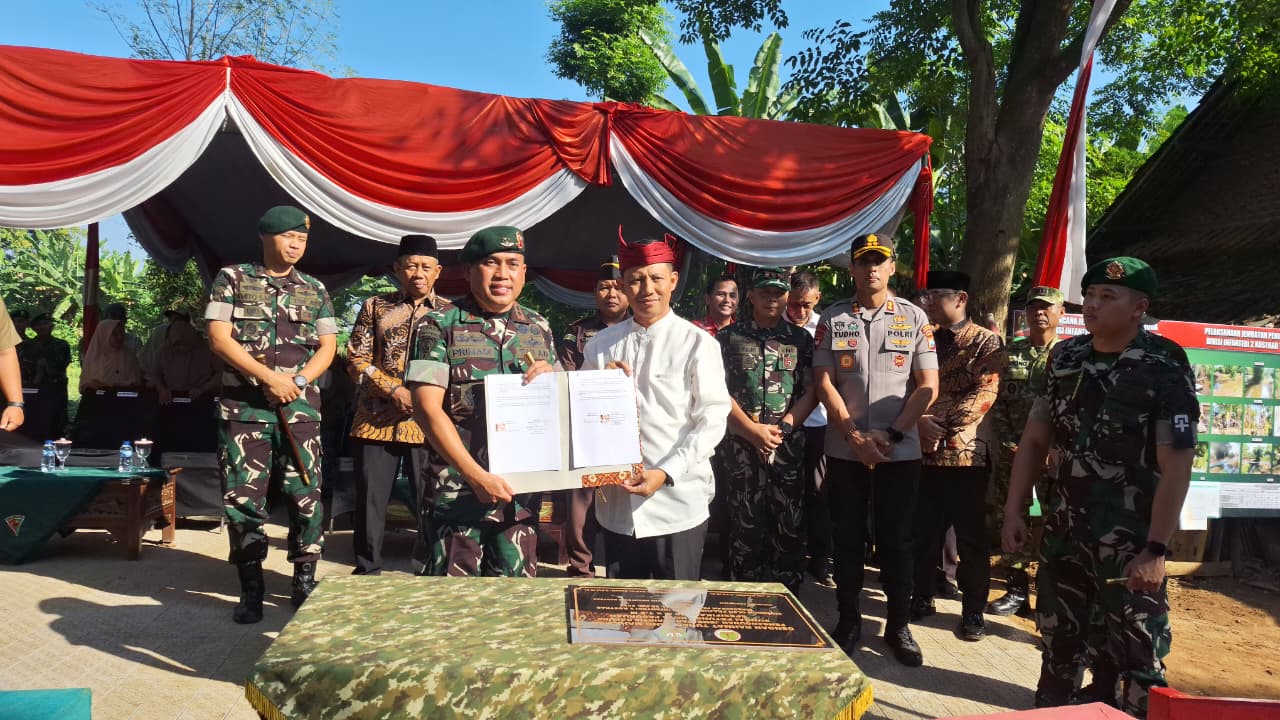
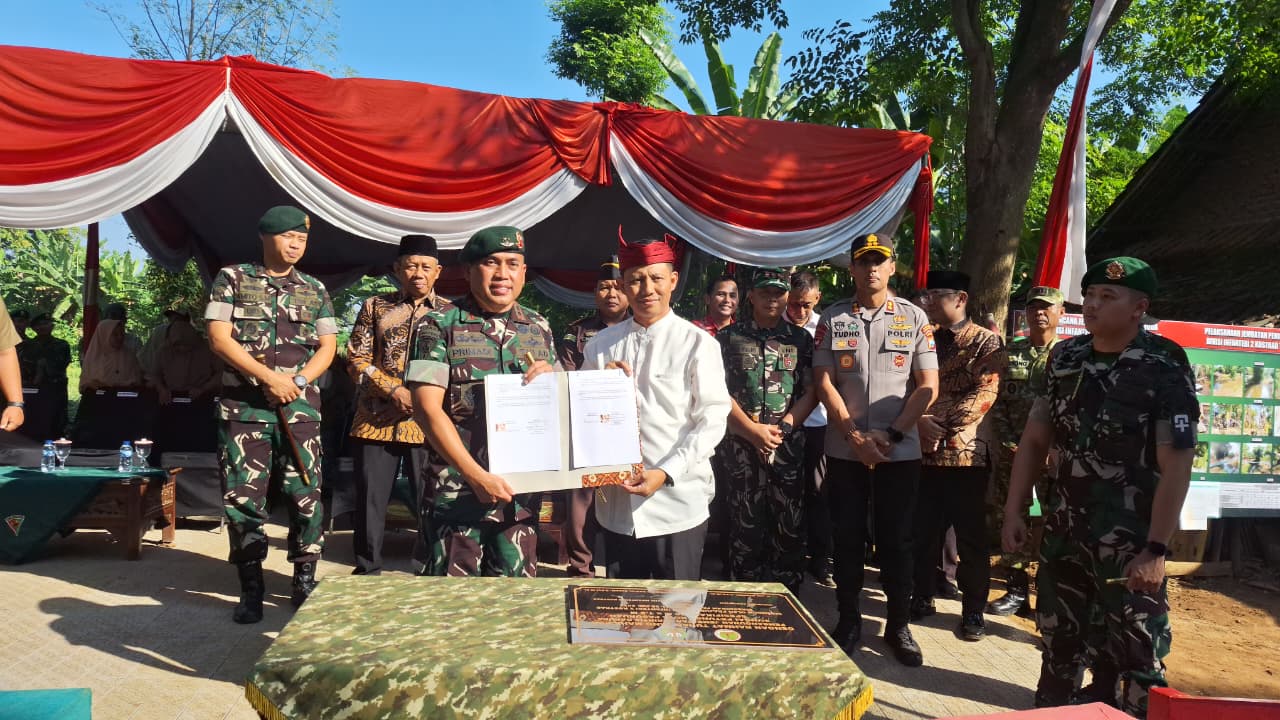
Pasuruan Kota – Kapolres Pasuruan Kota AKBP Titus Yudho Uly, S.I.K., M.Si. menghadiri peresmian Jembatan Perintis Garuda Merah Putih Divisi Infanteri (Divif) 2 Kostrad Tahun 2026 di Bantaran Sungai Petung, Kelurahan Bakalan, Kecamatan Bugul Kidul, Kota Pasuruan, Jumat (26/6/2026). Peresmian jembatan yang mengusung tema “Negara Hadir Untuk Masyarakat” tersebut menjadi wujud nyata sinergi TNI, Polri, dan Pemerintah dalam menghadirkan infrastruktur yang bermanfaat bagi masyarakat.
Kegiatan tersebut dihadiri Pangdivif 2 Kostrad Mayjen TNI Primadi Saiful Sulun, S.Sos., M.Si., Kapolres Pasuruan Kota AKBP Titus Yudho Uly, S.I.K., M.Si., Wakil Wali Kota Pasuruan H. Mokhamad Nawawi, S.Kom., M.M., Ketua DPRD Kota Pasuruan, Dandim 0819 Pasuruan, jajaran Forkopimda, Kapolsek Bugul Kidul Kompol Hudi Supriyanto, S.H., M.H., serta masyarakat Kelurahan Bakalan.
Rangkaian acara diawali dengan pembukaan, menyanyikan lagu Indonesia Raya, pemutaran video pembangunan Jembatan Perintis Garuda Merah Putih, dilanjutkan sambutan Wakil Wali Kota Pasuruan dan Pangdivif 2 Kostrad yang menegaskan pentingnya pembangunan jembatan sebagai upaya membuka akses masyarakat di wilayah yang sebelumnya cukup terisolasi.
Dalam sambutannya, Wakil Wali Kota Pasuruan menyampaikan apresiasi kepada TNI atas pembangunan jembatan yang telah lama dinantikan masyarakat. Menurutnya, jembatan tersebut akan memperlancar mobilitas warga, mempermudah akses anak-anak menuju sekolah, serta mendorong pertumbuhan ekonomi masyarakat Kelurahan Bakalan.
Sementara itu, Pangdivif 2 Kostrad Mayjen TNI Primadi Saiful Sulun menjelaskan bahwa pembangunan jembatan merupakan bagian dari program pemerintah melalui TNI Angkatan Darat untuk membantu masyarakat di daerah yang memiliki keterbatasan akses. Jembatan gantung sepanjang 25 meter tersebut dibangun oleh prajurit Yonzipur 10/2 Kostrad sebagai bentuk pengabdian TNI kepada masyarakat.
Usai sambutan, kegiatan dilanjutkan dengan penandatanganan prasasti dan berita acara serah terima jembatan, pengguntingan pita, peninjauan jembatan, foto bersama, serta penyerahan bantuan sembako secara simbolis kepada masyarakat.
Kapolres Pasuruan Kota AKBP Titus Yudho Uly, S.I.K., M.Si., mengapresiasi pembangunan jembatan tersebut sebagai bentuk nyata sinergi TNI, Polri, dan pemerintah dalam memberikan manfaat bagi masyarakat.
“Kami mengapresiasi pembangunan Jembatan Perintis Garuda Merah Putih ini. Semoga keberadaannya dapat memperlancar mobilitas masyarakat, mendukung pertumbuhan ekonomi, serta menjadi wujud nyata sinergi TNI, Polri, dan pemerintah dalam memberikan pelayanan terbaik kepada masyarakat,” ujar AKBP Titus Yudho Uly.
Seluruh rangkaian kegiatan berlangsung dengan aman, tertib, dan kondusi, diharapkan Jembatan Perintis Garuda Merah Putih dapat menjadi sarana yang memperlancar aktivitas masyarakat Kelurahan Bakalan, meningkatkan konektivitas antarwilayah, serta mendorong pertumbuhan ekonomi dan kesejahteraan warga.
-
 Berita6 hari ago
Bhabinkamtibmas Polsek Lekok Dampingi Petani, Dukung Ketahanan Pangan Nasional
-
Polsek1 minggu ago
Melalui Pendampingan Petani, Bhabinkamtibmas Desa Tidu Dukung Ketahanan Pangan Nasional
-
 Polres7 hari ago
Polres Pelabuhan Tanjungperak Salurkan Bantuan Alat Pertanian Dukung Ketahanan Pangan Nasional
-
 Berita5 hari ago
Polres Pacitan Genjot Produktivitas Jagung di Bandar, Dampingi Petani dan Evaluasi Kualitas Benih
-
 Polres7 hari ago
Polres Malang Amankan Dua Pemuda Bawa Sajam Saat Penyekatan Malam 1 Suro
-
Polsek5 hari ago
Antisipasi Gangguan Kamtibmas, Polsek Grati Rutin Laksanakan Patroli Presisi Siang Hari
-

 Berita6 hari ago
Sambang Warga, Polsek Keboncandi Perkuat Sinergi Jaga Kamtibmas di Tengah Masyarakat
-
 Polres1 minggu ago
Polres Blitar Kota Amankan Tiga Tersangka Perampasan Modus Jebak Korban Lewat Aplikasi Kencan