
Berita
Kapolri Tinjau Bakti Kesehatan “Polri Untuk Masyarakat” di PT Tah Sung Hung, Brebes


Brebes-Polda Jateng | Kapolri Jenderal Polisi Listyo Sigit Prabowo meninjau kegiatan Bakti Kesehatan di PT Tah Sung Hung di Kabupaten Brebes pada Rabu (19/3/2025).
Dalam kegiatan tersebut, tim Dokkes Polda Jateng, Polres Brebes, dan Dinas Kesehatan Kabupaten Brebes memberikan pemeriksaan kesehatan gratis bagi sekitar 1.000 karyawan. Layanan yang diberikan mencakup pemeriksaan mata, gigi, tekanan darah, serta kadar gula darah. Sebagai bentuk kepedulian terhadap kesehatan para pekerja menjelang Lebaran, Kapolri juga secara simbolis menyerahkan paket bekal kesehatan.
Dalam kesempatan itu, Kapolri juga menyampaikan apresiasinya terhadap perkembangan industri di PT Tah Sung Hung yang terus menunjukkan pertumbuhan positif.
“Perusahaan ini merupakan industri padat karya di bidang pembuatan sepatu dan menunjukkan progres yang sangat baik dan menimbulkan optimisme untuk investasi di Indonesia. Ada sekitar 8.000 karyawan baru yang direkrut sejak 2020, dan masih akan dilakukan pengembangan pembangunan yaitu 7 gedung dan juga 1 center develop sehingga total akan dapat merekrut 50.000 karyawan” ujar Kapolri.
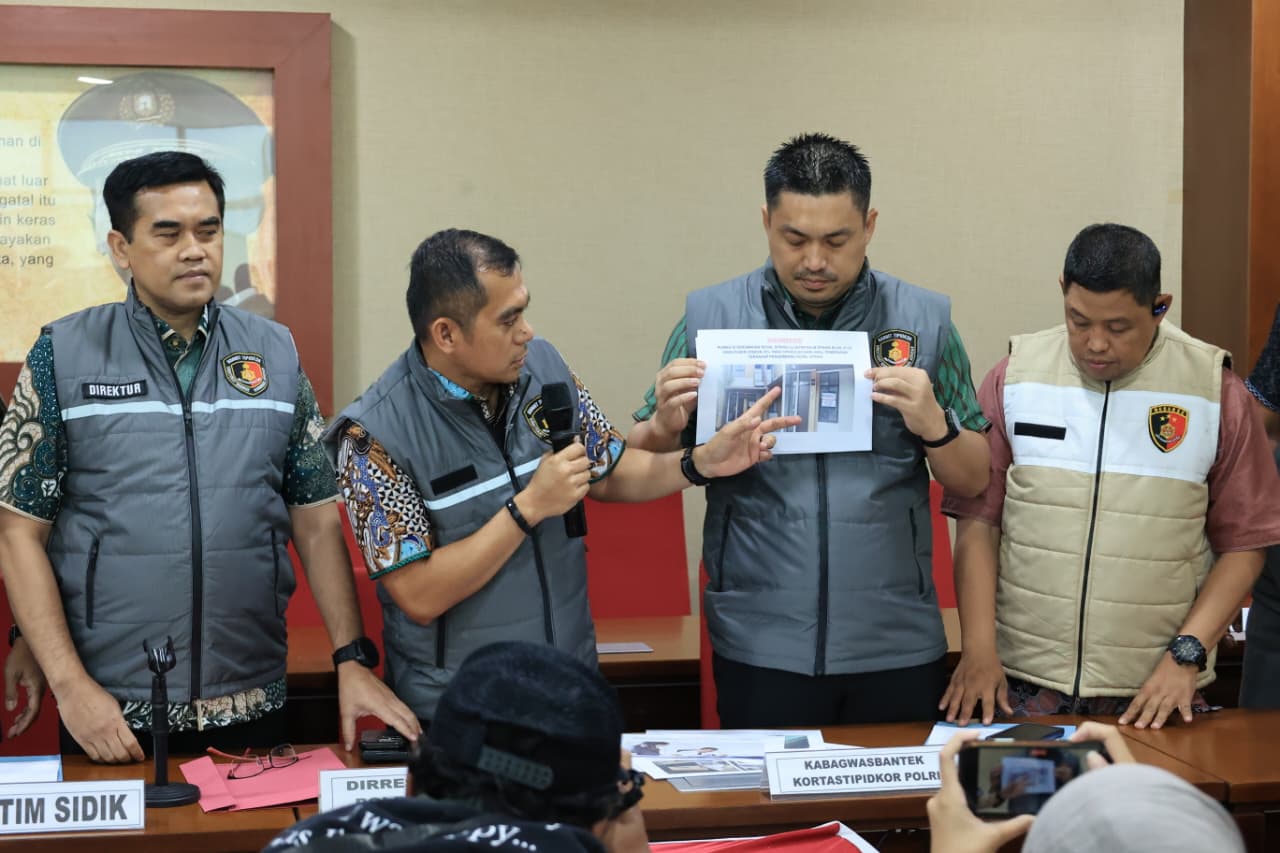
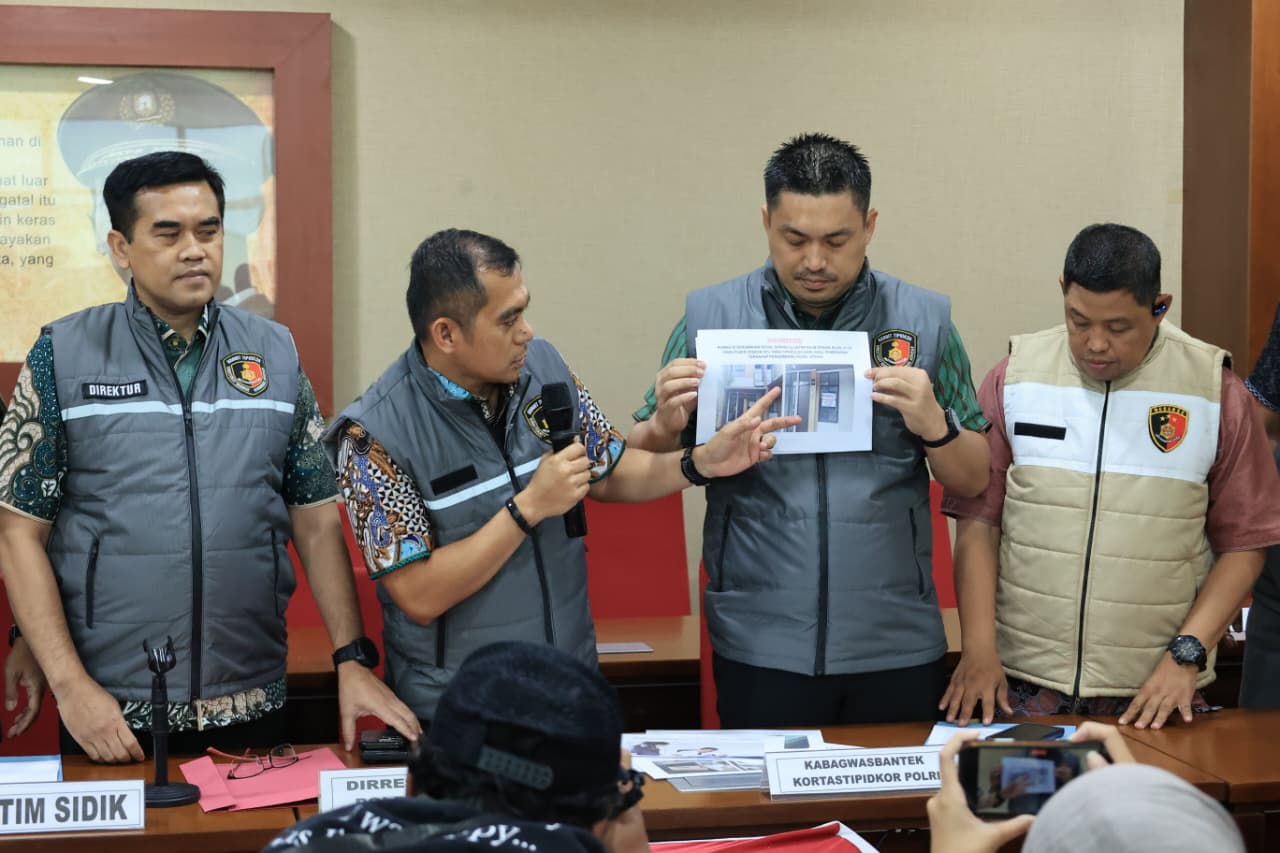
JAKARTA – Polri menetapkan Bupati Gowa, HT, sebagai tersangka dugaan tindak pidana korupsi berupa pemerasan dan/atau pungutan liar dan/atau gratifikasi dalam pengurusan perizinan di Kabupaten Gowa, Sulawesi Selatan, periode 2025–2026.
Penetapan tersangka dilakukan setelah penyidik Kortastipidkor Polri bersama Ditreskrimsus Polda Sulawesi Selatan dan Satreskrim Polres Gowa melakukan penyidikan melalui metode joint investigation. Dalam prosesnya, penyidik telah memeriksa sekitar 30 saksi dan empat ahli serta melakukan penggeledahan di empat lokasi.
Direktur Tindak Kortastipidkor Polri Brigjen Pol. Roberthus Yohanes De Deo Tresna Eka Trimana mengatakan penetapan HT sebagai tersangka dilakukan setelah penyidik melaksanakan gelar perkara.
“Setelah rangkaian kegiatan penyidikan tersebut, tim penyidik telah melaksanakan gelar perkara. Dalam forum gelar perkara tersebut, forum telah menyepakati penetapan Bupati Gowa, Saudari HT, sebagai tersangka,” kata De Deo dalam konferensi pers di Jakarta, Jumat (25/9/2026).
Menurut De Deo, dugaan tindak pidana tersebut berkaitan dengan sejumlah proses perizinan dan kegiatan di Kabupaten Gowa, termasuk pengurusan Persetujuan Kesesuaian Kegiatan Pemanfaatan Ruang (PKKPR), pembukaan gerai Indomaret, Persetujuan Bangunan Gedung (PBG) perumahan Royal Spring, serta sponsorship kegiatan Beautiful Malino.
Dari penyidikan, HT diduga menggunakan kedudukan dan jabatannya untuk mengarahkan proses perizinan sekaligus meminta sejumlah uang atau manfaat melalui pihak lain. Dalam perkara ini, HA disebut berperan menyampaikan permintaan, menerima, dan mengelola sebagian dana atas perintah HT.
“Dalam seluruh rangkaian peristiwa tersebut, Saudari HT berperan dalam mengarahkan proses perizinan dan menggunakan kedudukan atau jabatannya selaku Bupati untuk meminta uang atau manfaat melalui pihak lain, termasuk Saudara HA,” ujar De Deo.
Salah satu dugaan penerimaan yang didalami penyidik berkaitan dengan pembukaan gerai Indomaret. Melalui HA, HT diduga meminta dana yang disebut sebagai CSR sebesar Rp85 juta untuk setiap pembukaan gerai baru. Dana yang diserahkan sebanyak tiga kali tersebut berjumlah Rp850 juta.
Selain itu, penyidik menduga terdapat pemberian rumah di Royal Spring dengan potongan harga 70 persen dari harga awal Rp1,4 miliar. Rumah tersebut diperoleh dengan menggunakan nama pihak lain dan dibayar Rp420 juta. Penyidik menduga uang pembayaran tersebut berkaitan dengan permintaan kickback atas pengadaan enam unit ambulans Dinas Kesehatan Gowa tahun anggaran 2025 senilai Rp3,8 miliar.
Penyidik juga menemukan dugaan penerimaan terkait pengurusan PKKPR perumahan serta permintaan sponsorship kegiatan Beautiful Malino. Untuk perkara sponsorship, penyidik masih mendalami keterkaitan permintaan dana sebesar Rp100 juta dengan rencana pembukaan gerai serta penggunaan dana setelah diterima event organizer.
Selain menetapkan tersangka, penyidik telah melakukan penyitaan terhadap sejumlah aset yang diduga berkaitan dengan hasil tindak pidana. Aset tersebut berupa satu unit rumah di Royal Spring, Kabupaten Gowa, senilai sekitar Rp1,4 miliar, satu unit rumah di kawasan Waterfront Makassar senilai sekitar Rp3,5 miliar, serta satu unit Toyota Hiace tahun 2025 senilai sekitar Rp682 juta.
Direktur Penelusuran dan Pengamanan Aset Kortastipidkor Polri Brigjen Pol. Indra Lutrianto Amstono mengatakan penyidik masih melakukan penelusuran terhadap aliran dana dan aset yang berkaitan dengan perkara.
“Penelusuran terhadap aliran dana, aset-aset yang terkait, dan peran para pihak akan tetap dilakukan sesuai dengan ketentuan yang berlaku,” kata Indra.
Terhadap HT, penyidik menerapkan Pasal 12 huruf e dan/atau Pasal 12B Undang-Undang Pemberantasan Tindak Pidana Korupsi juncto Pasal 20 huruf c dan Pasal 126 KUHP Nasional. Penyidik juga menerapkan Pasal 607 ayat (1) huruf a KUHP Nasional terkait dugaan tindak pidana pencucian uang.
Penyidik selanjutnya akan memanggil dan memeriksa HT sebagai tersangka. Pendalaman juga masih dilakukan terhadap aliran dana, aset, serta peran pihak-pihak lain dalam perkara tersebut.
“Keterlibatan masing-masing pihak terkait peristiwa ini masih terus kami dalami berdasarkan fakta-fakta perbuatan dan alat bukti masing-masing,” ujar De Deo.
Kabag Ops Kortastipidkor Polri Kombes Pol. Ahmad Yusuf Afandi menambahkan, proses penyidikan masih berlangsung sehingga tidak menutup kemungkinan adanya pihak lain yang terlibat.
“Fakta perbuatan yang telah disampaikan merupakan hasil penyidikan hingga saat ini. Tidak menutup kemungkinan dalam proses penyidikan selanjutnya ditemukan adanya keterlibatan pihak lain,” kata Ahmad Yusuf.
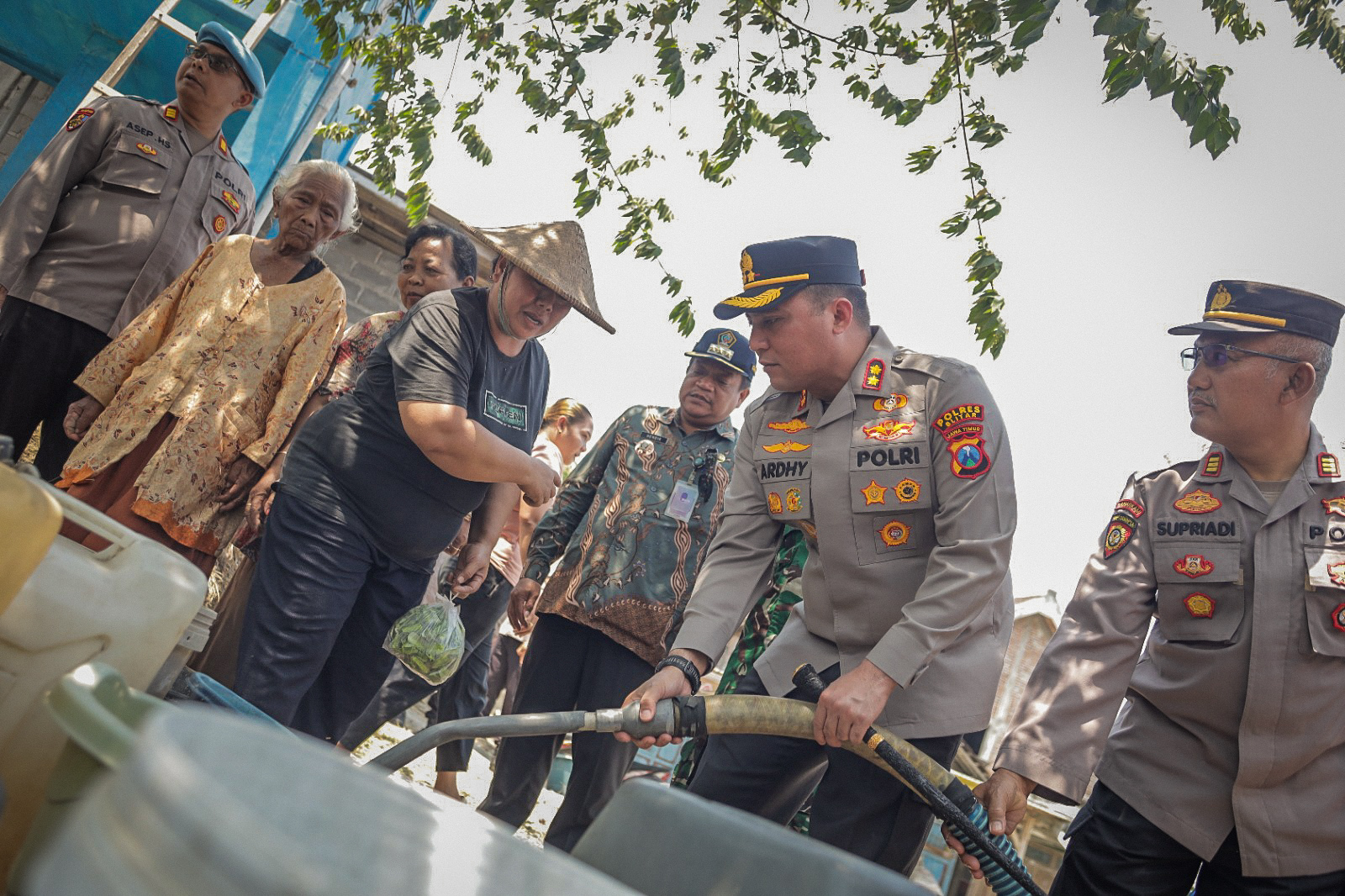
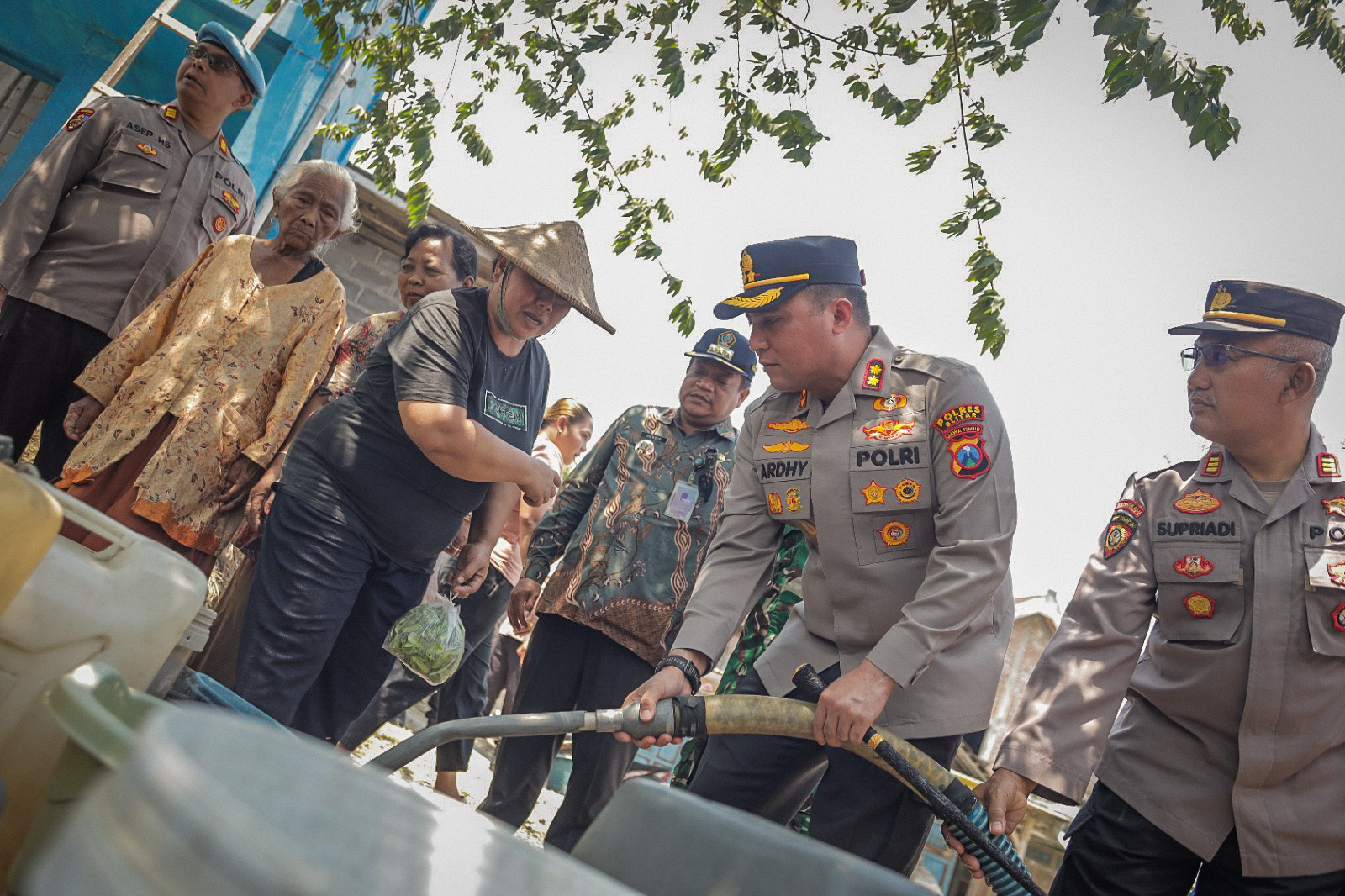
BLITAR – Polres Blitar Polda Jatim menggandeng Badan Penanggulangan Bencana Daerah (BPBD) dan PDAM menyalurkan bantuan air bersih bagi warga yang terdampak kekeringan di Kecamatan Panggungrejo, Kabupaten Blitar, Kamis (24/9/2026).
Aksi kemanusiaan ini menyasar warga di Desa Kalisudo. Untuk tahap ini, sebanyak dua armada truk tangki air bersih didistribusikan guna menopang kebutuhan domestik masyarakat yang kian mendesak akibat kemarau panjang.
Kapolres Blitar, AKBP Ardhy Zul Hasbih Nasution, S.I.K., M.H., menyampaikan bahwa pasokan air bersih yang bersumber dari kolaborasi BPBD dan PDAM ini diangkut secara khusus dan mendapat pengawalan ketat dari personel Polsek Panggungrejo.
Pengawalan dilakukan untuk memastikan proses droping berjalan aman, tertib, dan tepat sasaran.
Tidak hanya memberikan pasokan air, dalam momen tersebut AKBP Ardhy Zul Hasbih Nasution juga turun langsung membagikan bantuan paket sembako kepada warga terdampak yang membutuhkan.
“Polres Blitar memastikan koordinasi intensif bersama instansi lintas sektor. Ini adalah bentuk komitmen pelayanan dan kepedulian kami untuk membantu pemenuhan kebutuhan dasar masyarakat selama krisis kekeringan ini berlangsung,” tegas Kapolres Blitar.
Sinergi lintas sektoral ini diharapkan tidak hanya meringankan beban harian warga Desa Kalisudo, namun juga menjaga stabilitas kamtibmas agar tetap aman dan kondusif di wilayah Kabupaten Blitar. (*)
Berita
Polri Tangkap DPO Kasus Judi Online di Thailand, Tersangka Berhasil Dibawa Pulang ke Indonesia

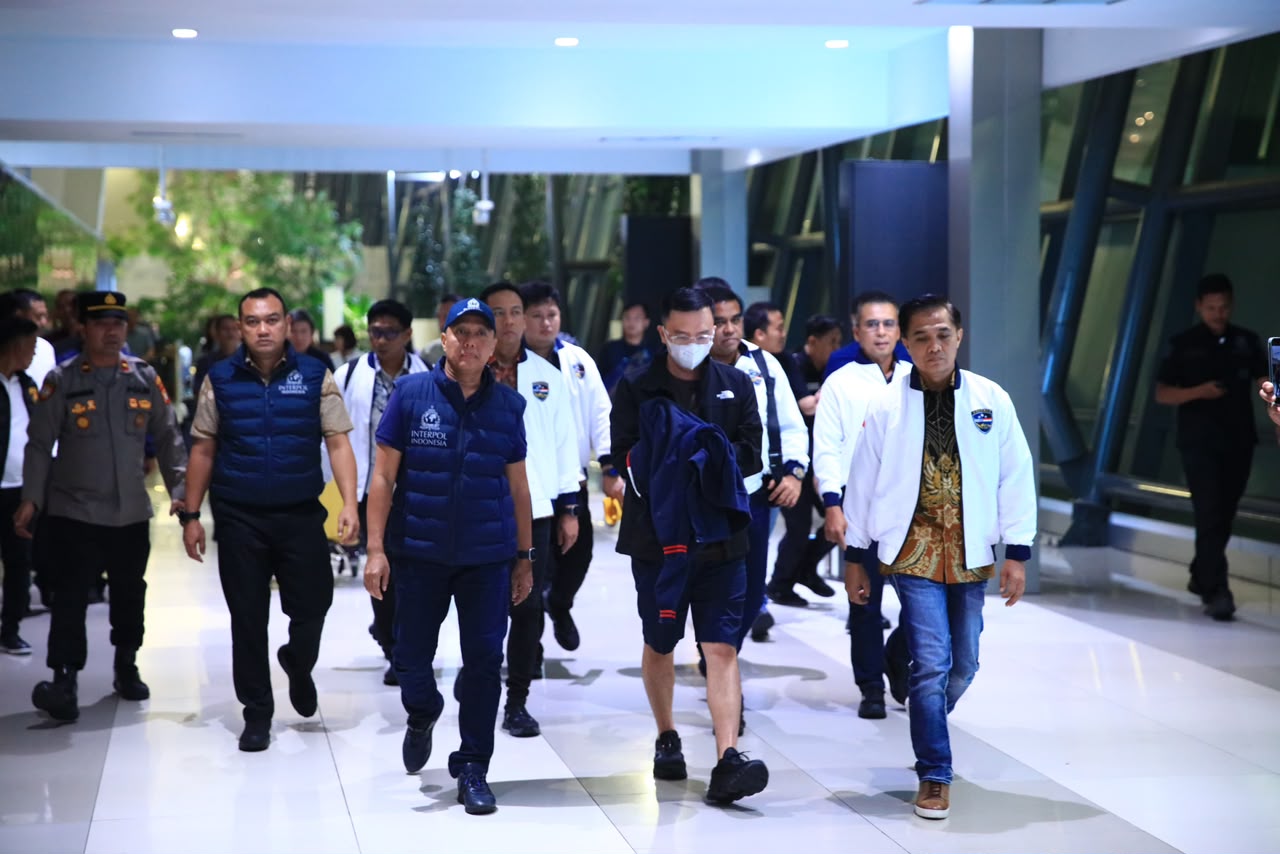
JAKARTA – Direktorat Tindak Pidana Siber (Dittipidsiber) Bareskrim Polri berhasil menangkap dan membawa pulang tersangka berinisial FP yang masuk dalam daftar pencarian orang (DPO) terkait perkara perjudian online yang melibatkan sejumlah situs judi internasional.
Penangkapan FP dilakukan melalui kerja sama Dittipidsiber Bareskrim Polri dengan Divisi Hubungan Internasional (Divhubinter) Polri, Kepolisian Thailand, dan Imigrasi Thailand. Tersangka diamankan di Thailand sebelum kemudian dibawa kembali ke Indonesia untuk menjalani proses hukum.
Wakil Direktur Tindak Pidana Siber Bareskrim Polri Kombes Pol Setyo Koes Heriyanto mengatakan, keberhasilan membawa pulang FP merupakan hasil kerja sama dan koordinasi dengan pihak berwenang di Thailand.
“Pada malam hari ini kami dari Direktorat Tindak Pidana Siber Bareskrim Polri, bersama dengan SET NCB Interpol dan tentunya dibantu oleh Imigrasi, melakukan penangkapan terhadap tersangka FP,” kata Setyo di Jakarta, Jumat (25/9/2026).
Setyo menjelaskan, FP merupakan tersangka dalam perkara perjudian online yang melibatkan situs Empire88, 1XBET, dan AJ8KEREN. Ketiga situs tersebut diketahui menawarkan berbagai jenis permainan judi online, di antaranya slot, kasino, dan judi bola.
Berdasarkan hasil penyidikan, perputaran uang dari aktivitas perjudian online pada ketiga situs tersebut dalam periode Januari hingga April 2026 mencapai sekitar Rp1 triliun.
Dalam pengungkapan perkara tersebut, penyidik Dittipidsiber Bareskrim Polri sebelumnya telah menangkap lima tersangka pada 13 dan 21 Juli 2026. Dari hasil pemeriksaan, sejumlah tersangka mengakui keterlibatannya dalam menyediakan badan usaha dan rekening bank yang digunakan sebagai rekening penampung transaksi perjudian online.
“Dari hasil penyidikan, kami mendapatkan keterangan dari beberapa tersangka yang telah kami amankan terkait penyediaan PT dan rekening bank yang digunakan untuk menampung transaksi pada website perjudian online tersebut,” ujar Setyo.
Dalam perkara ini, penyidik kemudian menetapkan FP sebagai DPO pada 29 Juli 2026. FP diketahui telah meninggalkan Indonesia dan berada di luar negeri.
Upaya pencarian terhadap FP terus dilakukan melalui kerja sama kepolisian lintas negara. Pada 10 September 2026, Dittipidsiber Bareskrim Polri melakukan kerja sama penyidikan dengan Atase Kepolisian RI di Singapura setelah memperoleh informasi bahwa FP sudah tidak berada di negara tersebut.
“Dari informasi yang kami dapatkan, yang bersangkutan sudah tidak berada di Singapura dan kemudian diketahui bergeser ke Thailand,” kata Setyo.
Koordinasi kemudian dilanjutkan dengan pihak Thailand. Pada 22 September 2026 sekitar pukul 17.30 waktu Thailand, penyidik Dittipidsiber Bareskrim Polri bersama Divhubinter Polri, Kepolisian Thailand, dan Imigrasi Thailand melakukan upaya penangkapan terhadap FP.
“Tersangka tersebut juga melarikan diri ke luar negeri dan dengan kerja sama kami dengan pihak Thailand, kami dapat menangkap yang bersangkutan dan membawa kembali ke Indonesia,” tuturnya.
Saat ini, FP telah berada di Indonesia dan selanjutnya menjalani proses hukum atas dugaan keterlibatannya dalam perkara perjudian online tersebut. Penyidik masih melakukan pendalaman terhadap rangkaian perkara, termasuk peran FP serta keterkaitan para pihak lainnya.
“Untuk rilis resminya nanti, kita akan jelaskan peran pelaku ini, baik dalam kooperasinya maupun pelariannya,” ujar Setyo.
-
 Berita1 minggu ago
Sinergi TNI-Polri, Satlantas Polres Pasuruan Kota Edukasi Prajurit tentang Keselamatan Berlalu Lintas
-
 Polres1 minggu ago
Satlantas Polres Pasuruan Kota Gandeng Komunitas Ojol dalam Bakti Kesehatan HUT Lalu Lintas ke-71
-
Polsek6 hari ago
Patroli Dialogis Polsek Lekok, Bangun Pondasi Kamtibmas melalui Kedekatan dan Komunikasi Bersama Masyarakat
-
 Berita1 minggu ago
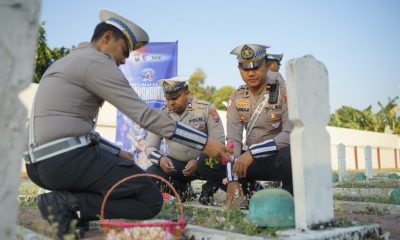
Ziarah ke TMP, Satlantas Polres Pasuruan Kota Kenang Jasa Pahlawan di HUT Lalu Lintas Bhayangkara ke-71
-
 Polres1 minggu ago
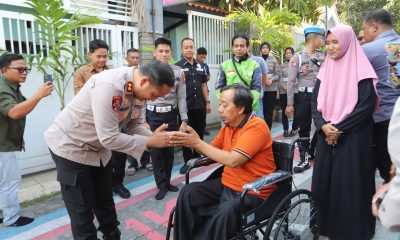
Sentuh Hati! Aksi Cepat Polres Gresik Selamatkan Ekonomi Keluarga Driver Ojol Korban Kecelakaan
-
 Berita1 minggu ago
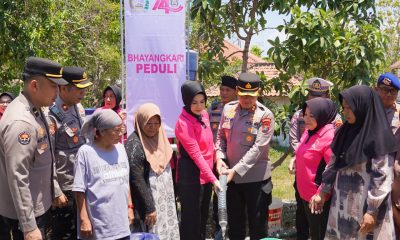
Atasi Krisis Air, Polres Bangkalan Distribusikan 48.000 Liter Air Bersih di Dua Kecamatan
-
Berita1 minggu ago
Patroli Dialogis, Polsek Nguling Jalin Komunikasi Kamtibmas dengan Petugas Parkir
-
 Berita6 hari ago
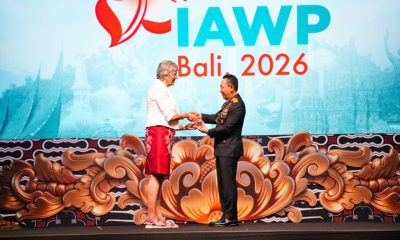
IAWP 2026, Kapolri: Perempuan Bukan Sekadar Bagian dari Perubahan